
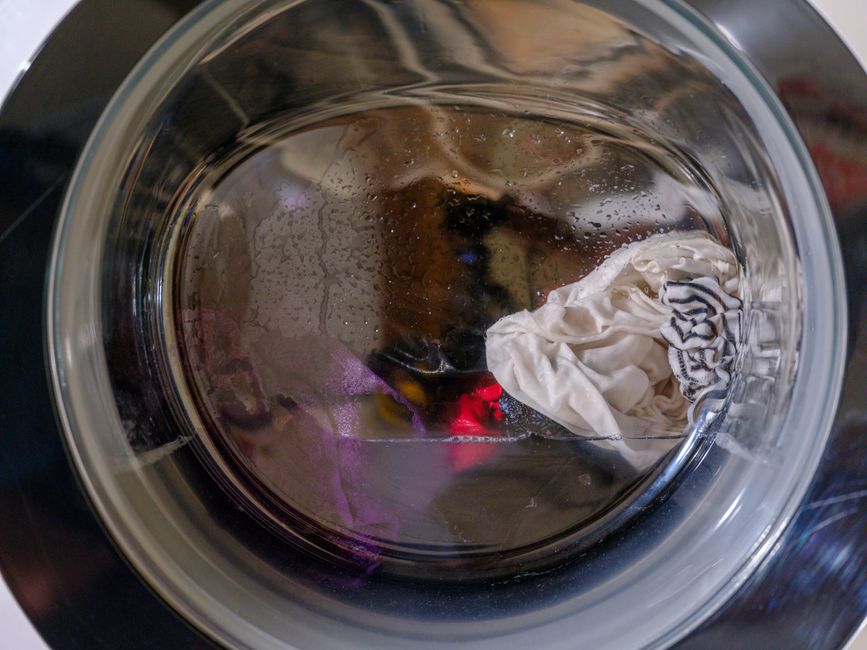
Poison ivy’s oily resin, urushiol, can stay active on clothes for years if not washed properly. The fastest and safest way to remove it is to wash the contaminated clothing separately in hot water with a heavy-duty laundry detergent. Do not put the clothes in a dryer until you are certain the oil is gone, because heat sets the oil and can cause a rash later.
Why Is It So Hard To Get Poison Ivy Oil Out Of Clothes?
Urushiol is a sticky, oily substance that binds tightly to fabric fibers. It is not water-soluble on its own, which means plain water will not remove it. The oil can penetrate deep into cotton, denim, and synthetic materials.
Research from the American Academy of Dermatology shows that urushiol can remain potent on contaminated clothing for months or even years. This is why people sometimes get a rash from a jacket they wore the previous summer. The oil does not evaporate or break down over time.
Heat is the enemy here. If you put poison ivy clothes in a dryer before the oil is fully removed, the heat bakes the oil into the fibers. That makes it nearly impossible to wash out later. The same thing happens with hot water in a wash cycle — it can spread the oil to other parts of the fabric.
What Is The Fastest Method To Wash Poison Ivy Off Clothes?
The fastest method involves four steps done in order. First, handle the clothes with rubber gloves. Do not touch the fabric with bare skin. Second, wash the clothes alone in a washing machine using the hottest water setting the fabric can handle.
Use a heavy-duty liquid detergent. The CDC recommends detergents with enough surfactants to break down oils. Regular detergent often does not work well because it is designed for dirt and sweat, not plant resins.
Third, run a full wash cycle. Do not stop early. Fourth, inspect the clothes after washing. If you still see any residue or smell the plant, wash again. Do not dry until you are sure the oil is gone.
Some people report that adding one cup of white vinegar to the wash helps break down urushiol. Strong evidence for this is limited, but it is a common practice and unlikely to damage most fabrics. The vinegar may help by altering the pH of the wash water.
Does Rubbing Alcohol Remove Poison Ivy Oil From Clothes?
Rubbing alcohol can remove urushiol from skin, but it is less effective on clothes. The reason is that alcohol evaporates quickly and does not penetrate fabric fibers the way liquid detergent and water do. It can work on small fresh stains but not on dried or set-in oil.
If you catch the contamination immediately, you can dab rubbing alcohol on the spot before washing. This may help break down the oil. But do not rely on alcohol alone. You still need a full wash cycle with detergent and hot water afterward.
The Centers for Disease Control and Prevention does not list rubbing alcohol as a recommended method for cleaning contaminated clothing. Their official guidance focuses on detergent and hot water. Alcohol is better suited for skin decontamination within the first few minutes of exposure.




What Should You Avoid When Washing Poison Ivy Clothes?
Do not wash poison ivy clothes with other laundry. The urushiol will transfer to every item in the load. This spreads the oil and increases your risk of a rash later. Always wash contaminated items separately.
Do not use bleach alone. Bleach does not break down urushiol effectively. It can also damage fabrics and create toxic fumes if mixed with other cleaners. Stick with heavy-duty detergent.
Do not use fabric softener. Fabric softener coats fibers and can trap the oil inside the fabric. This makes removal harder. Skip the softener entirely for poison ivy loads.
Do not dry clean. Dry cleaning uses solvents that may not fully remove urushiol. The heat from the dry cleaning process can also set the oil. If the item is dry clean only, consider discarding it or washing it by hand with detergent and hot water.
| Method | Effectiveness | Speed | Safety |
|---|---|---|---|
| Hot water + heavy detergent | High | Fast | Safe |
| Rubbing alcohol spot treatment | Moderate | Fast | Safe |
| Bleach alone | Low | Moderate | Risky |
| Dry cleaning | Low | Moderate | Unsafe |
| Cold water wash | Low | Slow | Safe |
How Many Times Should You Wash Poison Ivy Clothes?
One wash is often not enough. Research from the University of California Agriculture and Natural Resources indicates that urushiol is extremely persistent. A single wash cycle may remove only part of the oil, especially if the contamination was heavy.
Wash the clothes two to three times in hot water with heavy-duty detergent. Between cycles, check the fabric for any remaining oily spots or plant debris. If the clothes still smell like poison ivy, they are not clean.
After the final wash, run the machine on an empty cycle with hot water and detergent. This prevents leftover oil from contaminating your next load of laundry. Some washing machines have a self-clean cycle that works well for this.
If the clothes are made of delicate fabric that cannot handle hot water, you have a harder problem. In that case, hand wash with a degreasing dish soap like Dawn. Rinse thoroughly with hot water. Repeat until no oil remains.
Can You Get Poison Ivy From Clothes That Were Washed?
Yes. If the clothes were not washed correctly, the urushiol remains on the fabric. You can get a rash from wearing those clothes months later. This is a common reason people get repeat poison ivy outbreaks without knowing why.
The American Osteopathic College of Dermatology warns that urushiol can stay active on clothing indefinitely. The oil does not degrade with time. It only breaks down when exposed to strong detergents and hot water.
To be safe, store washed poison ivy clothes in a separate plastic bag for a few weeks. If no one in the household develops a rash after handling them, the clothes are likely clean. This is a practical test that many dermatologists recommend.
Does Vinegar Or Bleach Work Better For Poison Ivy Clothes?
Vinegar is safer than bleach for most fabrics, but neither is as effective as heavy-duty detergent. Vinegar can help loosen the oil because it is acidic. Bleach can damage the oil structure but is harsh on clothes and can cause skin irritation if residue remains.
Some people use a mixture of one part vinegar to three parts water as a pre-soak. Let the clothes sit for 30 minutes before washing. This may improve removal, though strong clinical evidence is lacking.
Bleach is not recommended by the CDC for poison ivy decontamination. It can create toxic gases if mixed with ammonia or other cleaners. Stick with detergent and hot water as your primary method. Use vinegar as a possible helper, not a replacement.
Frequently Asked Questions
Can I wash poison ivy clothes with other laundry?
No. Always wash poison ivy clothes separately to prevent spreading the urushiol oil to other items.
Does hot water kill poison ivy oil?
Hot water does not kill the oil but helps detergents break it down more effectively than cold water.
How long does poison ivy oil stay on clothes?
Urushiol can stay active on clothing for months or even years if not washed properly.
Can I use dish soap to wash poison ivy clothes?
Yes, a degreasing dish soap like Dawn can work well for hand washing small items.
