
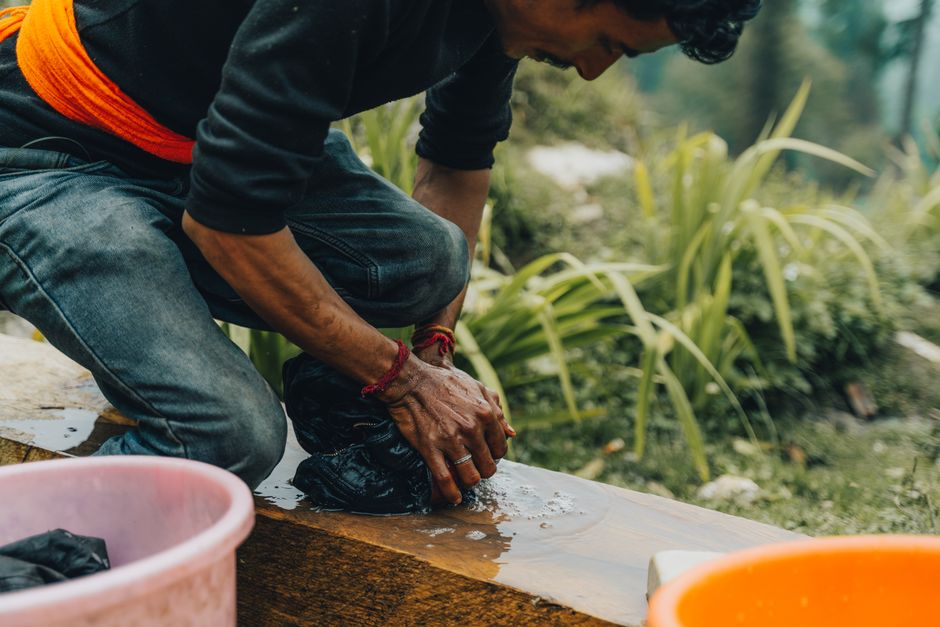
Washing a knee brace the wrong way can ruin its support, shorten its life, and even cause skin irritation. The safest method for most braces is hand washing in cool water with a mild detergent, followed by air drying completely away from direct heat. Avoid the washing machine and dryer unless the manufacturer’s care label specifically says they are safe, because the agitation and heat can break down the elastic, foam, and hook-and-loop fasteners that keep the brace working.
Why Washing a Knee Brace Correctly Matters
Knee braces collect sweat, dead skin cells, and bacteria every time you wear them. Left unwashed, they develop an odor and can cause skin irritation or even infections, especially if you have any open sores or chafing. Regular cleaning is not just about smell — it is a hygiene issue that directly affects your skin health.
However, the materials in a knee brace are not built to survive harsh cleaning. Most braces contain neoprene, elastic, plastic stays, metal hinges, and Velcro-style straps. Heat and aggressive washing damage these components. Once the elastic stretches out or the foam padding compresses, the brace no longer provides the support your knee needs. A damaged brace can give you a false sense of security during activity.
What You Need Before You Start
Gather these items before you begin: a sink or basin, cool water, a mild liquid detergent, and a clean towel. Avoid bleach, fabric softeners, and harsh chemical cleaners. These break down neoprene and other synthetic materials.
Use a detergent that is free of dyes and fragrances. Fragrance and dye residues can linger in the fabric and irritate sensitive skin. A small amount of baby shampoo or a gentle sport-specific wash works well for most braces.
Step-by-Step: How To Wash A Knee Brace Without Damaging It
Follow these steps every time you clean your brace. The process takes about five minutes of active work plus drying time.
- Close all straps. Secure the hook-and-loop fasteners before washing. Loose straps tangle and can snag on themselves, which damages the loops.
- Fill a sink with cool water. Water temperature matters. Hot water can warp plastic stays and shrink elastic components.
- Add a small amount of mild detergent. Swish it in the water until it is evenly distributed.
- Submerge the brace. Gently squeeze the water through the fabric. Do not wring or twist the brace. Twisting damages the internal structure.
- Focus on sweaty areas. Pay extra attention to the lining and the areas that contact your skin directly.
- Rinse thoroughly. Drain the soapy water and refill with cool clean water. Repeat until no soap remains. Soap residue irritates skin and breaks down materials over time.
- Press out excess water. Lay the brace on a clean towel, roll it up, and press gently. This removes water without twisting the brace.
- Air dry flat. Place the brace on a dry towel away from direct sunlight, radiators, and dryers. Heat causes warping and cracking.
Allow the brace to dry completely before wearing it again. A damp brace traps moisture against your skin, which increases the risk of irritation and fungal growth.





Can You Machine Wash a Knee Brace?
Most manufacturers do not recommend machine washing. The washing machine’s agitation is too aggressive for the materials. It can twist the brace, break the hook-and-loop fasteners, and compress the foam padding permanently.
If the care label on your specific brace says machine washable, use the gentlest cycle available with cold water. Place the brace inside a mesh laundry bag to protect it. Skip the spin cycle if your machine allows you to control it. Never put a knee brace in the dryer, even on low heat. The heat destroys elasticity and can melt or warp plastic components.
When in doubt, hand wash. Hand washing is always the safest option, regardless of what the label says.
How To Dry a Knee Brace Safely
Air drying is the only safe method. Lay the brace flat on a clean, dry towel in a well-ventilated area. Flip it once after several hours so both sides dry evenly.
Do not hang the brace to dry. Hanging stretches the elastic and can distort the shape of the brace. Do not use a hairdryer, radiator, or any other heat source. High heat degrades neoprene and causes plastic components to become brittle.
Depending on the material and thickness, full drying can take 12 to 24 hours. Plan ahead so you are not tempted to speed up the process. If you wear your brace daily, consider having a second brace so one is always dry and ready.
How Often Should You Wash Your Knee Brace?
Wash your brace after every use if you sweat heavily or wear it during exercise. For everyday wear with light activity, washing once a week is usually sufficient. The brace should not develop a persistent odor between washes. If it does, wash it more frequently.
Spot cleaning can extend the time between full washes. Wipe the inside lining with a damp cloth and a tiny amount of mild soap after each use. This removes surface sweat and bacteria without subjecting the whole brace to a wash cycle. Let the spot-cleaned area air dry before storing the brace.
Check the brace regularly for signs of wear. If the elastic is stretched out, the straps no longer stick firmly, or the padding has flattened, it is time to replace the brace. Washing cannot restore a brace that has already lost its structural integrity.
What Not To Do When Washing a Knee Brace
A few common mistakes cause most brace damage. Avoid these entirely.
- Do not use hot water. Heat warps plastic and shrinks elastic.
- Do not use bleach or fabric softener. These chemicals break down synthetic fibers and leave irritating residues.
- Do not wring or twist the brace. This permanently distorts the shape and support structure.
- Do not machine dry. Even low heat can melt or warp components.
- Do not soak for long periods. Prolonged soaking degrades adhesives and weakens the bonding between layers.
- Do not iron the brace. Heat destroys every material in the brace.
These rules apply to nearly all knee braces, including neoprene sleeves, hinged braces, and wrap-around designs. When specific care instructions on your brace conflict with these general rules, follow the manufacturer’s label.
Special Care for Hinged and Metal Braces
Braces with metal hinges or rigid plastic frames require extra attention. The metal components can rust if water gets trapped in the hinge mechanisms. Before washing, check whether the hinges are removable. If they are, take them out and clean them separately with a dry cloth.
For non-removable hinges, minimize the time the brace spends submerged. Wash it quickly and dry it with extra care. Position the brace so the hinges are not resting against a wet surface. Wipe the hinges dry immediately after rinsing to prevent moisture from sitting in the joints.
Some post-surgical braces have foam liners that detach from the frame. Wash the fabric and foam liners by hand following the steps above. Clean the rigid frame separately with a damp cloth and mild soap, then wipe it dry. Never submerge the entire hinged frame in water unless the manufacturer explicitly states it is safe.
Can You Wash a Knee Brace in the Dishwasher?
No. Dishwasher detergent is far too harsh, and the heat of the drying cycle will damage the brace. This is not a recommended method from any manufacturer. Stick to hand washing.
Some people attempt this method to disinfect braces quickly. The high heat may kill bacteria, but it also destroys the brace’s materials in the process. The trade-off is not worth it. Hand washing with soap removes bacteria effectively without the damage.
Frequently Asked Questions
Can I put my knee brace in the washing machine?
Only if the manufacturer’s care label specifically says it is machine washable, and even then use cold water on the gentlest cycle inside a mesh bag. For all other braces, hand washing is the only safe method.
How long does a knee brace take to dry?
Most braces take 12 to 24 hours to air dry completely. Thicker neoprene braces take longer than thin fabric sleeves.
Can I use soap and water to clean my knee brace?
Yes, mild liquid soap and cool water are safe for most braces. Avoid harsh detergents, bleach, and fabric softeners.
Why does my knee brace smell even after washing?
Bacteria can become trapped deep inside the padding if the brace is not dried completely or if soap residue remains. Wash again with mild detergent, rinse thoroughly, and allow it to dry fully before wearing.
