
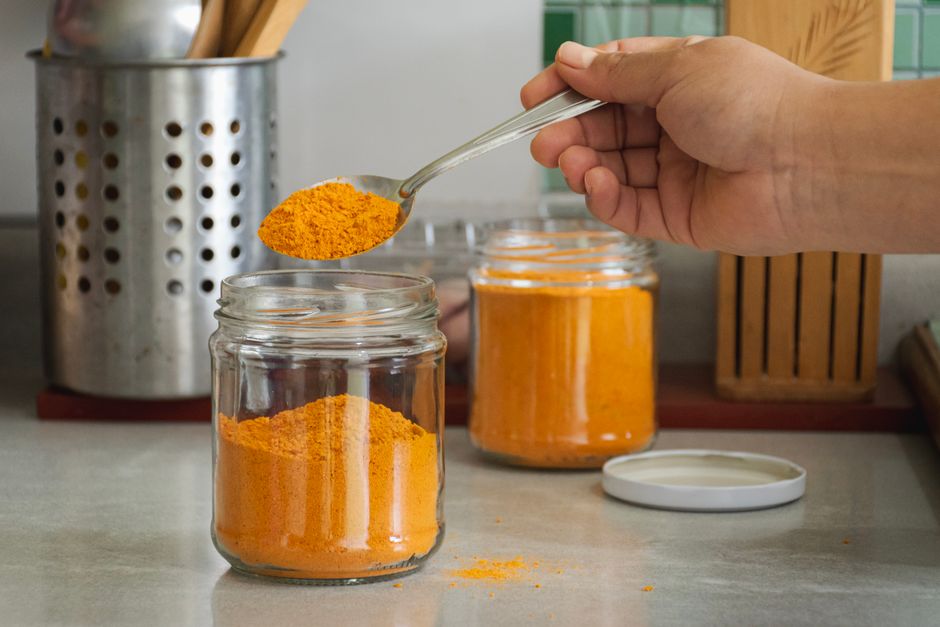
Turmeric powder is one of the most studied spices in the world. In cooking, it adds color and a warm, earthy flavor. On the skin, it is used in masks and creams for its anti-inflammatory properties. Beyond those two uses, it appears in teas, golden milk, and even natural dye projects. The key to using it well is understanding that culinary and cosmetic uses require different preparations.
How To Use Turmeric Powder Cooking Skin And More?
Turmeric powder works differently depending on how you use it. In food, the active compound curcumin is poorly absorbed on its own. In skin care, the powder can stain skin yellow if not mixed correctly. For both uses, pairing turmeric with black pepper for food or yogurt for skin improves the experience. The most reliable culinary method is adding it to warm dishes with fat and black pepper. For skin, short-contact masks rinsed off within 15 minutes are the standard approach used in dermatology-adjacent home care.
What Is Turmeric Powder Made Of?
Turmeric powder comes from the dried root of Curcuma longa, a plant in the ginger family. The root is boiled, dried, and ground into the bright orange-yellow powder found in spice jars. The color comes from curcuminoids, which make up about 2 to 5 percent of the spice by weight. Curcumin is the most studied curcuminoid and the reason most research focuses on turmeric.
Whole turmeric powder contains curcumin plus natural oils, fiber, and other plant compounds. This matters because turmeric supplements use concentrated extracts, not the powder from your kitchen. The powder is safe for cooking but too weak for the doses used in clinical trials for inflammation or joint pain.
How Do You Cook With Turmeric Powder?
Turmeric powder is forgiving in cooking. It does not need precise measurement to be safe. Start with a quarter teaspoon for a dish serving four people and adjust from there. The flavor is mild and slightly bitter, so it rarely overpowers a meal the way chili or cumin can.
Heat releases the flavor of turmeric. Add it to oil or butter at the start of cooking, before adding liquids. This step, called blooming, takes about one minute and deepens the color and taste. Curcumin is fat-soluble, meaning it dissolves in oil rather than water. Cooking turmeric in oil or butter improves how much curcumin your body can absorb.
Black pepper is the single most important pairing for turmeric. Black pepper contains piperine, a compound that blocks the liver from quickly clearing curcumin. Research consistently shows that piperine increases curcumin absorption by up to 2,000 percent in some study conditions. In practical terms, a pinch of black pepper in any turmeric dish makes the spice more bioavailable.
Common cooking uses include:
- Curries and lentil soups (dal)
- Rice dishes for yellow color
- Roasted vegetables tossed with oil and turmeric
- Egg scrambles or tofu for breakfast
- Smoothies with a pinch of turmeric and black pepper
- Golden milk made with warm milk, turmeric, black pepper, and honey
Golden milk deserves special mention. The classic recipe uses warm milk, turmeric, black pepper, and a sweetener. The fat in the milk and the piperine in the pepper create the best conditions for curcumin absorption without needing a supplement. Some research suggests this combination supports joint comfort, but most human trials use concentrated extracts rather than culinary amounts of the powder.



Can You Use Turmeric Powder on Skin?
Yes, turmeric powder is used in home skin care, but the evidence for topical use is limited. Some studies indicate that curcumin has anti-inflammatory and antioxidant properties when applied to the skin. However, most of this research uses laboratory-made curcumin formulations, not grocery store spice powder.
Traditional use includes turmeric mixed with yogurt, honey, or milk as a face mask. These masks are used for acne, uneven skin tone, and mild inflammation. The yogurt provides lactic acid for gentle exfoliation, and the turmeric adds color and potential anti-inflammatory effects. No large human trials have confirmed that kitchen turmeric powder treats acne or fades dark spots.
Skin staining is the most common problem. Turmeric leaves a yellow-orange tint on skin that can last hours. Mixing turmeric with yogurt or milk reduces staining because the dairy binds to the pigment. A small patch test on the inside of your wrist is a reasonable step before applying any new mask to your face, especially if you have sensitive skin.
For an at-home mask, mix one teaspoon of turmeric powder with two teaspoons of plain yogurt. Apply a thin layer to clean skin and leave on for 10 to 15 minutes. Rinse with warm water using a gentle circular motion. If yellow staining remains, a cotton pad with a little milk or oil can help lift the pigment. Stop using the mask if you feel burning or stinging.
Turmeric can temporarily stain nails and clothing. Wear old clothes or drape a towel around your shoulders when applying any turmeric mask.
What Are the Health Benefits of Eating Turmeric?
Turmeric has been used in traditional medicine for thousands of years, particularly in India and Southeast Asia. Modern research focuses on curcumin as an anti-inflammatory compound. Chronic inflammation is linked to many conditions, including arthritis, heart disease, and metabolic disorders. Some studies suggest curcumin may help manage inflammatory conditions, but the evidence is not uniform.
Research published in the Journal of Medicinal Food and similar publications has examined curcumin for osteoarthritis. Some trials show modest improvements in joint pain compared to placebo. Other trials show no significant benefit. The results vary because curcumin is poorly absorbed and because studies use different formulations and doses.
For digestive health, turmeric is a traditional remedy for indigestion. Some research indicates that curcumin may support gut health by reducing inflammation in the digestive tract. However, people with gallbladder disease should be cautious. Turmeric stimulates bile production, which can worsen gallstone symptoms.
No clinical evidence currently confirms that turmeric prevents cancer, cures arthritis, or reverses chronic disease. The honest position is that turmeric is a healthy spice with anti-inflammatory properties, not a medicine. Eating it regularly in food is safe and may offer modest health benefits over time.
Should You Take Turmeric Supplements Instead?
Turmeric supplements contain curcumin extracts at doses much higher than any food amount. A typical supplement capsule contains 500 to 1,000 milligrams of curcumin extract. One teaspoon of turmeric powder contains roughly 200 milligrams of curcumin, meaning you would need several teaspoons daily to match a single supplement capsule.
Supplements are not automatically better. The quality varies widely between brands. Some products contain no measurable curcumin despite the label claims. Third-party testing organizations like USP or NSF provide some assurance of quality, but they do not verify effectiveness.
Curcumin supplements can interact with blood thinners like warfarin. High doses may increase bleeding risk. People scheduled for surgery should stop curcumin supplements at least two weeks beforehand. Pregnant women should avoid high-dose curcumin supplements because safety data is insufficient. No clinical guidelines currently exist for curcumin supplementation during pregnancy.
If you choose a supplement, look for one that mentions piperine or black pepper extract on the label. These formulations absorb better. Follow the dose on the label and do not exceed it. Tell your doctor about any supplement you take, especially if you have a medical condition or take prescription medication.
Can Turmeric Powder Be Used for Other Things?
Turmeric powder has uses beyond food and skin care. It is a natural fabric dye that produces a bright yellow color on cotton, silk, and wool. The dye is not colorfast and will fade with washing, but it works well for craft projects. Boil the fabric with turmeric powder and a mordant like alum to improve color retention.
Turmeric is also used as a natural food coloring. It appears in commercial mustard, cheese, and snack foods to provide yellow color. At home, a pinch of turmeric can color rice, eggs, or frosting without artificial dyes.
Some people use turmeric powder in warm water as a gargle for sore throats, though no strong evidence supports this practice. Others add it to bath water for skin conditions like eczema. The evidence here is limited, and staining the bathtub is a real concern.
In traditional Indian ceremonies, turmeric paste is applied to the skin before weddings. This practice, called haldi, is believed to cleanse and brighten the skin. It is cultural tradition more than medical treatment, but it shows how deeply turmeric is woven into daily life beyond the spice rack.
What Are the Risks of Using Turmeric?
Turmeric in food amounts is safe for most people. The FDA recognizes turmeric as generally recognized as safe (GRAS) for use in food. Culinary amounts rarely cause side effects.
High doses from supplements can cause stomach upset, nausea, or diarrhea. Some people experience acid reflux after taking curcumin capsules. If this happens, taking the supplement with food usually helps.
Allergic reactions to turmeric are rare but possible. Symptoms include rash, hives, or difficulty breathing. If you have a known allergy to ginger, you may also react to turmeric because they are in the same plant family.
Topical turmeric can cause contact dermatitis in sensitive individuals. The staining is temporary and harmless, but a true allergic reaction requires stopping use. If your skin becomes red, itchy, or blistered after a turmeric mask, wash it off immediately and avoid future use.
People with iron deficiency should know that turmeric can reduce iron absorption. The polyphenols in turmeric bind to iron and make it less available to the body. If you take iron supplements, take them at a different time than turmeric-heavy meals.
Frequently Asked Questions
How much turmeric powder should I use in cooking?
Start with a quarter teaspoon per dish serving four people and adjust to taste. Turmeric is mild, so this amount rarely overpowers a meal.
Does turmeric powder stain skin permanently?
No, turmeric staining is temporary and fades within hours to a day. Mixing turmeric with yogurt or milk reduces staining, and oil or milk helps lift pigment from skin.
Can I drink turmeric powder in water every day?
Yes, but adding black pepper and a source of fat improves absorption. Plain turmeric water provides minimal curcumin absorption because curcumin is fat-soluble.
Is turmeric powder as effective as curcumin supplements?
No, supplements contain concentrated curcumin at doses far higher than food amounts. Culinary turmeric is safe and healthy, but it does not deliver the doses used in clinical research.
