
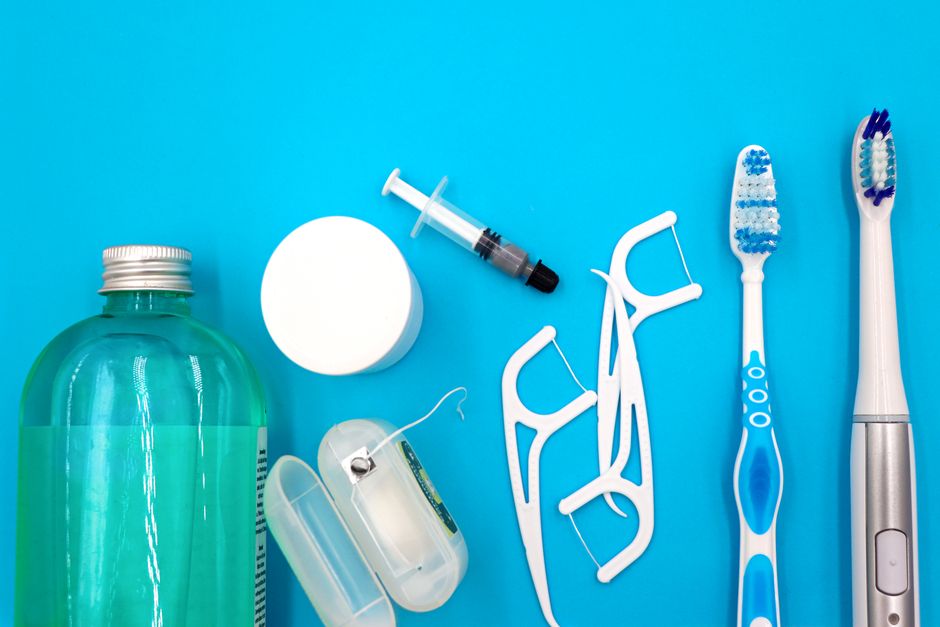
You can remove plaque at home, but only the soft, freshly formed kind. That sticky film of bacteria builds up on your teeth every day, and daily brushing and flossing can clear it. Once plaque hardens into tartar, no toothbrush or floss can take it off. That step requires a dental professional.
That single distinction explains why some people scrub harder and see no change. The problem is not effort. It is chemistry. Plaque mineralizes into a hard, bonded deposit that has to be scaled off with dental instruments.
What Is Plaque Buildup On Teeth?
Plaque is a living film of bacteria, saliva proteins, and food debris that forms on tooth surfaces. It starts rebuilding within hours of brushing. This is not a sign that you are doing something wrong. It is normal oral biology.
The process works like this. Your saliva contains proteins that coat clean teeth almost immediately. Bacteria stick to that coating and multiply. As they feed on sugars from your diet, they produce acids that dissolve tooth enamel and irritate gums. Left undisturbed, plaque near the gumline absorbs minerals from your saliva and hardens into tartar, also called calculus.
Tartar is the key turning point. It is porous and rough, so it gives new plaque more surface to cling to. That is why buildup tends to accelerate once tartar is present. You cannot brush or floss it away, and no rinse dissolves it.
Plaque forms above and below the gumline. The below-gumline kind is the more damaging type, and it is the one you cannot see or reach.
How To Get Rid Of Plaque Buildup On Teeth At Home
Home care removes soft plaque before it hardens. The goal is to disrupt the film often enough that it never gets the chance to mineralize.
Brush twice a day for two minutes with a soft-bristled toothbrush and fluoride toothpaste. This frequency and duration reflect standard guidance from dental and health authorities. Angle the bristles toward the gumline, because that is where plaque does the most harm. A powered toothbrush may remove plaque slightly better than a manual one for some people, though technique matters more than the tool.
Floss once a day. Floss reaches the tight spaces between teeth where bristles cannot go. If flossing is difficult, interdental brushes or a water flosser can help, though the evidence for water flossers is more limited than for string floss and interdental brushes.
Consider a fluoride mouthrinse as an add-on, not a replacement. Rinses can reach some areas, but they do not remove the physical film the way brushing and flossing do.
Watch your sugar frequency. It is not just the amount of sugar that feeds plaque bacteria, but how often you expose your teeth to it. Sipping a sweet drink over an hour keeps acid production going far longer than eating the same sugar in a few minutes.
Why Brushing Alone Is Not Enough
Brushing misses about a third of your tooth surfaces. The gaps between teeth and the area just under the gumline are the usual blind spots, and they are exactly where plaque causes the most trouble.
This is why gum disease tends to start between teeth and along the gumline rather than on the flat chewing surfaces. If you brush faithfully but skip flossing, you are cleaning the easy-to-reach surfaces and leaving the vulnerable ones untouched.
A common mistake is brushing right after acidic food or drink. Acid softens enamel temporarily, and brushing during that window can wear it down. Waiting a period before brushing is the safer habit. Rinsing with water or chewing sugar-free gum in the meantime helps clear acid.
Another mistake is scrubbing hard with a stiff brush. This does not remove more plaque. It can wear down enamel and push gums to recede, which exposes more of the tooth root to decay.




When You Need A Dental Professional
Once plaque becomes tartar, only a dental professional can remove it. This is done during a routine cleaning using hand scalers and ultrasonic instruments that physically break the deposit off the tooth.
How often you need a cleaning depends on your individual risk. Many people are advised to have one every six months, but this interval is a general convention rather than a fixed rule for everyone. People with gum disease, a history of cavities, dry mouth, or certain health conditions may need more frequent visits. Your dentist can set an interval based on your situation.
Signs you should not wait include gums that bleed when you brush, persistent bad breath, red or swollen gums, and gums that have pulled away from teeth. Bleeding gums are often the first visible sign of gum inflammation, and it is not normal.
A professional cleaning is not a substitute for daily care. Tartar returns if the plaque that feeds it is not disrupted at home. The two work together.
Do Home Remedies Remove Plaque?
Some home remedies have modest evidence behind them, and others have none. It helps to separate the two.
Baking soda in toothpaste has some support for reducing plaque and mild gum inflammation. It is abrasive, so it should not replace regular toothpaste or be used aggressively.
Oil pulling, which means swishing oil like coconut or sesame oil in the mouth, has been studied, but the evidence is limited and mixed. It is not a replacement for brushing and flossing.
Claims that certain rinses, powders, or devices “dissolve” tartar are not supported. Once tartar has formed, it is bonded to the tooth and cannot be dissolved by a home product. Any product claiming to remove tartar without professional scaling is overstating what it can do.
If a remedy is gentle and used alongside proven habits, it is unlikely to cause harm. If it replaces brushing, flossing, or professional cleanings, it can let real problems progress.
How To Prevent Plaque From Building Up Again
Prevention comes down to frequency and consistency, not intensity. Plaque starts reforming within hours, so the aim is to interrupt it before it hardens.
- Brush twice daily for two minutes with fluoride toothpaste.
- Floss or use interdental brushes once a day.
- Limit how often you eat or drink sugary and starchy items.
- Drink water, especially after meals and snacks.
- Keep routine dental visits and cleanings.
- Avoid tobacco, which worsens gum disease.
Dry mouth is an underappreciated factor. Saliva helps clear food and neutralizes acid, so when saliva flow drops, plaque and decay risk rise. Dry mouth is common with certain medications and some health conditions. If your mouth feels persistently dry, that is worth raising with a dentist or doctor.
Here is a point many people miss. Plaque control is not about getting your teeth perfectly clean once. It is about disrupting the film often enough that it never gets the time it needs to harden. Consistency across days matters more than any single intense cleaning.
Does Diet Affect Plaque Buildup?
Diet shapes how much acid plaque bacteria produce and how often. Bacteria ferment sugars and refined starches and release acid as a byproduct. That acid is what damages enamel and inflames gums.
Frequency matters as much as quantity. Constant snacking or sipping sugary drinks keeps acid levels high and gives saliva less time to recover. Grouping sugary foods into meals rather than spreading them across the day reduces the total acid exposure.
Some foods help in a smaller way. Cheese and other dairy can raise the pH in your mouth briefly. Crunchy vegetables and fibrous fruits stimulate saliva. Water, especially fluoridated water, helps rinse teeth and dilute acid. None of these replace brushing and flossing, but they support the environment your teeth sit in.
Frequently Asked Questions
Can I remove tartar at home?
No. Once plaque hardens into tartar, it bonds to the tooth and cannot be removed by brushing, flossing, or any home product. A dental professional removes it with scaling instruments.
How often should I get my teeth cleaned?
Many people are advised to have a cleaning every six months, but this is a general convention rather than a fixed rule. Your dentist can recommend an interval based on your gum health, cavity history, and other risk factors.
Does oil pulling remove plaque?
The evidence for oil pulling is limited and mixed. It is not a replacement for brushing and flossing, which are the proven ways to remove soft plaque daily.
Why do my gums bleed when I brush?
Bleeding gums are often the first sign of gum inflammation caused by plaque along the gumline. It is not normal, and persistent bleeding should be checked by a dentist.
