
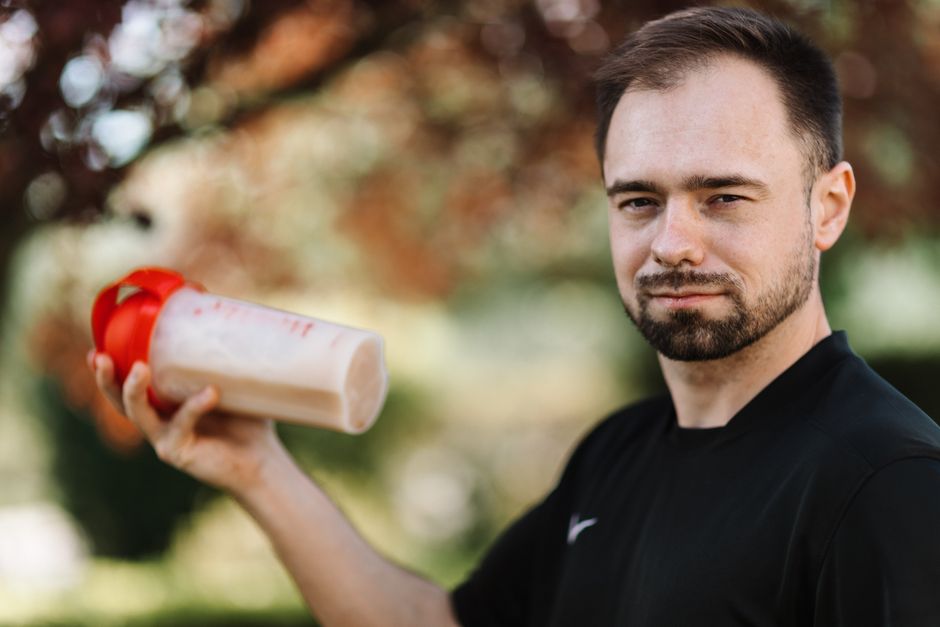
Protein shakes are a convenient way to get more protein, but how you use them matters more than most people realize. The basic answer: drink one within two hours after a workout to help recovery, and use about 20-40 grams of protein per serving depending on your body weight and goals. For weight loss, a shake can replace a meal, but for muscle building, it works best as a supplement between meals. Mixing is simple — one scoop of powder with 8-12 ounces of water or milk, shaken or blended until smooth. Timing and amount are not magic, but they do make a real difference in how your body uses the protein.
What Is the Best Time to Drink a Protein Shake?
The most well-supported time to drink a protein shake is after exercise. Research consistently shows that consuming protein within a few hours after a workout supports muscle repair and growth. The old idea of a strict 30-minute “anabolic window” is not as rigid as once thought, but earlier is still better than later.
For most people, having a shake within one to two hours after training is a solid, evidence-based target. Your muscles are primed to take up amino acids during this period, and the protein helps kickstart the repair process that continues for hours afterward.
Morning shakes are also fine. Some people use them as a quick breakfast when they are short on time. This works well, but it is not superior to getting protein from whole foods. If you choose a morning shake, pair it with some carbohydrates like fruit or oats for a more balanced meal.
Before bed is another option. A slow-digesting protein like casein is sometimes used at night to provide a steady supply of amino acids while you sleep. The evidence for this is modest, but it is a reasonable practice if it fits your routine. Whey protein before bed is less ideal because it digests more quickly.
How Much Protein Should You Put in Each Shake?
The amount depends on your body weight and your overall daily protein needs. A common guideline is 0.7 to 1 gram of protein per pound of body weight per day for active people. That total is what matters most, not just what is in your shake.
For a single shake, most research points to 20-40 grams as the effective range for muscle protein synthesis. This is roughly one to two scoops of most protein powders. Smaller doses below 20 grams may not fully stimulate muscle building, and doses above 40 grams do not appear to provide much additional benefit in one sitting.
Your total daily protein intake matters more than any single shake. If you already eat plenty of protein from food, you may not need a shake at all. If you struggle to meet your daily target, a shake is a practical way to close the gap.
Body weight matters too. A 130-pound person likely does fine with 20 grams per shake. A 200-pound person may benefit from closer to 40 grams. Start at the lower end and adjust based on how you feel and how your training is progressing.
How Should You Mix Protein Powder?
The simplest method is a shaker bottle with water. Add your powder first, then liquid, then shake for 15-30 seconds. This works for most people and most powders. Some powders clump more than others, so give it a good shake and let it sit for a minute if needed.
Using milk instead of water adds calories, fat, and more protein. Whole milk adds about 150 calories per cup. Skim milk adds about 90 calories per cup. If you are trying to gain weight or build muscle, milk is a good choice. If you are cutting calories, water is better.
A blender produces a smoother shake and allows you to add other ingredients. Frozen fruit, peanut butter, oats, and spinach all blend well. This turns a simple shake into a more complete meal. Just be aware that every addition increases calories.
Temperature matters less than people think. Cold water mixes fine and some people prefer the taste. Warm liquids can cause some powders to clump, so avoid hot water or coffee unless you are using a blender.



Should You Use Protein Shakes for Weight Loss?
Protein shakes can help with weight loss, but only because they help with calorie control. Protein is the most filling macronutrient. Replacing a meal with a shake can reduce total daily calories, which leads to weight loss over time.
Using a shake as a meal replacement works best for breakfast or lunch. These are meals people often skip or replace with high-calorie convenience foods. A shake with protein, some fruit, and a healthy fat can be a satisfying and controlled-calorie meal.
The evidence for meal replacement shakes is mixed. Some studies show they help with short-term weight loss. Long-term success depends on whether you can maintain healthy eating habits after you stop using the shakes. The shake itself is not magic — it is simply a portion-controlled meal.
A common mistake is adding too many high-calorie ingredients to a “diet” shake. Peanut butter, honey, full-fat milk, and multiple scoops of powder can turn a 200-calorie shake into a 600-calorie one. If weight loss is your goal, keep the shake simple.
What Type of Protein Powder Should You Choose?
Whey protein is the most studied and most common type. It digests quickly, contains all essential amino acids, and is well supported by research for muscle building and recovery. Whey isolate has less lactose and fat than whey concentrate, which matters for people with lactose sensitivity.
Casein protein digests slowly. It is often used before bed or during long periods without food. The research on casein is less extensive than whey, but it is a reasonable choice for nighttime use.
Plant-based proteins like pea, soy, and rice protein are good options for people who avoid dairy. Pea protein in particular has decent evidence for supporting muscle growth, though it may not be quite as effective as whey on a gram-for-gram basis. Soy protein is a complete protein and is well studied.
Protein blends combine different sources. These are fine but not necessary. The label matters more than the marketing. Look for a powder with at least 20 grams of protein per serving and minimal added sugar. Third-party testing labels like NSF Certified for Sport or Informed Choice indicate the product has been tested for banned substances, which matters if you are an athlete.
Can You Drink Protein Shakes Every Day?
Yes. Protein shakes are safe for daily use in healthy people. The key is that they are a supplement, not a replacement for a varied diet. Whole foods provide vitamins, minerals, and fiber that protein powder does not.
There is no evidence that moderate protein powder consumption harms healthy kidneys or livers. People with pre-existing kidney disease should talk to their doctor before significantly increasing protein intake, but for healthy individuals, the concern is largely unfounded.
Some people experience digestive discomfort from whey protein, especially if they are lactose intolerant. Whey isolate or plant-based powders are often better tolerated. Start with a small serving to see how your body responds.
Relying on shakes for most of your daily protein is not ideal. Aim to get most of your protein from food and use shakes to fill the gaps. This approach is more sustainable and provides a broader range of nutrients.
How Do You Know If You Actually Need a Protein Shake?
You need a protein shake only if you are not meeting your daily protein needs through food. That is the honest answer. Most people can get enough protein from a balanced diet that includes meat, eggs, dairy, beans, and nuts.
People who are most likely to benefit include athletes training intensely, older adults trying to preserve muscle mass, vegetarians and vegans who struggle to get enough protein, and people with busy schedules who regularly skip meals.
If you eat three solid meals with protein sources and you are not training for a specific goal, you probably do not need a shake. It will not hurt you, but it is also not necessary. Protein powder is a tool, not a requirement.
Frequently Asked Questions
How soon after a workout should I drink a protein shake?
Within one to two hours after exercise is the well-supported target. The old 30-minute rule is not backed by current evidence.
Can I drink a protein shake on an empty stomach?
Yes, it is safe. Your body will digest and absorb the protein normally regardless of what else is in your stomach.
Is it better to drink a protein shake before or after a workout?
After is better for recovery. Before a workout, a small snack with some protein and carbs is usually sufficient.
How many protein shakes should I have in a day?
One to two shakes per day is reasonable for most people. Your total daily protein intake matters more than the number of shakes.
