
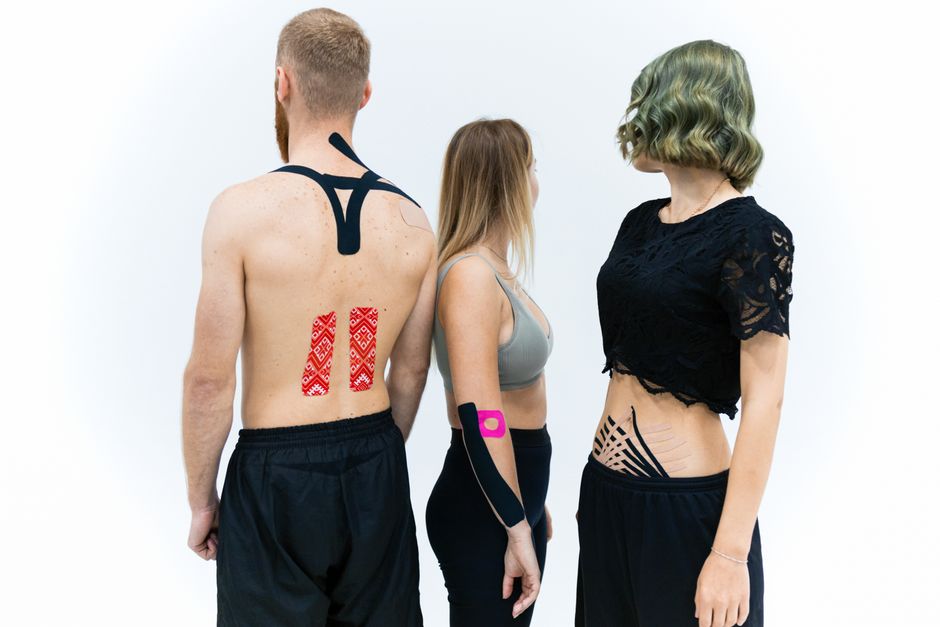
Kinesiology tape is that colorful stretchy tape you see on athletes at the Olympics and on runners at the local park. It is not a brace or a wrap. It is an elastic cotton strip designed to lift your skin slightly away from the muscle underneath. The idea is to create a tiny space that changes how your body senses pain and movement. You apply it in specific patterns depending on what hurts and where. The most common uses are for shoulder pain, knee pain, lower back tightness, and shin splints. The tape works best when your skin is clean and dry, the edges are rounded to prevent peeling, and you stretch the tape to the right tension for each section. It is not a cure. It is a tool that some people find genuinely helpful for reducing pain signals and supporting recovery.
Does Kinesiology Tape Actually Work?
The short answer is yes for some things and no for others. Research published in the Journal of Orthopaedic & Sports Physical Therapy found that kinesiology tape can reduce pain and improve range of motion in the short term for conditions like shoulder impingement and patellofemoral pain syndrome. The effects are modest. You should not expect the tape to fix a torn ligament or replace proper rehabilitation.
What the tape does well is change sensory input. Your skin has nerve receptors that send signals to your brain about pressure, stretch, and touch. When the tape lifts the skin, it alters those signals. This can reduce the perception of pain for a few days. Some studies suggest it also improves blood flow and lymphatic drainage in the area, which might help with swelling after an injury.
Where the evidence gets weak is for performance enhancement. Claims that kinesiology tape improves muscle strength, prevents injury, or corrects posture have very little support. A large review in the British Journal of Sports Medicine concluded that the tape does not meaningfully improve muscle activation or athletic performance. If someone tells you it will make you run faster or jump higher, they are selling something.
How To Use Kinesiology Tape for Knee Pain
Knee pain is one of the most common reasons people buy kinesiology tape. The standard application involves a Y-shaped strip that wraps around the kneecap. You start with the base of the Y anchored above the knee on the thigh with no stretch. Then you apply the two tails with 50 percent stretch, guiding them around each side of the kneecap and ending just below the knee joint.
The goal is to create a gentle lift that takes pressure off the kneecap and surrounding tendons. This works best for patellofemoral pain syndrome, which is pain behind or around the kneecap. It is less effective for meniscus tears or ligament injuries where the problem is structural rather than mechanical.
One thing most people get wrong is tension. The tape should never be stretched to its maximum. A 50 to 75 percent stretch is usually enough. If the tape pulls too hard on the skin, it can cause blisters or irritation. If it is too loose, it does nothing. You want the tape to feel snug but not tight. Remove it if it causes sharp pain or burning.
How To Use Kinesiology Tape for Shoulder Pain
Shoulder applications vary depending on whether the pain is in the front, back, or top of the joint. For general shoulder impingement, a Y-strip applied from the upper arm up over the shoulder blade is common. You anchor the tape at the midpoint of the upper arm with no stretch. Then you apply the tails with 30 to 50 percent stretch as you move up over the deltoid muscle and onto the shoulder blade.
The idea is to support the muscles that stabilize the shoulder, particularly the rotator cuff. Some people find this reduces pain when lifting the arm overhead. The evidence here is moderate. A study in the Journal of Shoulder and Elbow Surgery found that kinesiology tape combined with exercise reduced pain more than exercise alone in people with subacromial impingement.
Do not rely on the tape alone. Shoulder pain often involves weakness in the rotator cuff and scapular muscles. The tape can help you move more comfortably, but you still need strengthening exercises to fix the underlying problem. The tape is a bridge, not the destination.




How To Use Kinesiology Tape for Lower Back Pain
Lower back applications typically use multiple strips in a fan or basket weave pattern. You apply the first strip horizontally across the lower back at the level of the pain with moderate stretch. Then you add vertical strips that run from the top of the pelvis up to the lower ribcage. Each strip overlaps slightly with the previous one.
This pattern creates a lifting effect over the muscles of the lower back. It can reduce the sensation of tightness and stiffness. Some people report immediate relief. The evidence for lower back pain is mixed. A review in Spine found that kinesiology tape provides short-term pain relief for chronic lower back pain but does not outperform sham tape or standard care in the long run.
Here is the non-obvious part that most articles miss. The tape works better for mechanical lower back pain caused by muscle tension or poor posture than for nerve-related pain like sciatica. If you have shooting pain down your leg, the tape is unlikely to help. That type of pain usually involves nerve compression that requires different treatment.
What Does Research on Kinesiology Tape Show?
| Condition | Research Finding | Strength of Evidence |
|---|---|---|
| Patellofemoral pain | Reduces pain short term | Moderate |
| Shoulder impingement | Improves range of motion with exercise | Moderate |
| Chronic lower back pain | Short-term relief only | Weak to moderate |
| Lymphatic drainage | Reduces swelling in some cases | Weak |
| Muscle strength | No meaningful improvement | Strong negative |
| Injury prevention | No evidence | None |
The overall picture is clear. Kinesiology tape can help with pain and movement in the short term. It does not fix injuries or make you stronger. The best use is as a temporary support while you address the root cause through exercise, stretching, or physical therapy.
What Are the Side Effects and Risks of Kinesiology Tape?
Kinesiology tape is generally safe. The most common side effect is skin irritation. The adhesive can cause redness, itching, or a rash, especially if you have sensitive skin or leave the tape on too long. The CDC recommends removing the tape after 3 to 5 days to reduce the risk of skin breakdown.
Blisters can form if the tape is applied with too much tension or if the skin is not clean before application. Removing the tape incorrectly can also damage the skin. Always peel it off slowly in the direction of hair growth. Use oil or adhesive remover if the tape sticks too firmly.
There is no evidence that kinesiology tape causes muscle damage or nerve injury. The risks are almost entirely skin-related. If you have a known allergy to acrylic adhesives, do a patch test on your forearm before applying the tape to a larger area. People with diabetes or poor circulation should check with a doctor before using the tape, as skin injuries can heal slowly in these populations.
Common Misconceptions About Kinesiology Tape
The biggest misconception is that kinesiology tape works by supporting weak muscles like a brace. It does not. A brace restricts movement. Kinesiology tape allows full range of motion. Its mechanism is sensory, not structural. It changes how your brain interprets signals from the skin, which can reduce pain perception.
Another common myth is that the color of the tape matters. Black, blue, pink, and beige tapes are all made from the same material. The color is cosmetic. Some practitioners claim that different colors have different effects, but there is zero evidence for this. Pick the color you like. It will work the same either way.
Some people also believe that kinesiology tape can fix posture permanently. The tape can remind you to sit or stand differently while it is on, but it does not retrain your muscles. Once the tape comes off, your posture returns to its baseline unless you have done the work to strengthen the supporting muscles. The tape is a cue, not a correction.
What to Avoid When Using Kinesiology Tape
Do not apply kinesiology tape over open wounds, rashes, or sunburned skin. The adhesive can irritate damaged skin and increase the risk of infection. Do not wrap the tape completely around a limb. This can restrict blood flow and cause swelling. Leave a gap of at least an inch between the ends of the tape.
Avoid stretching the tape to its maximum tension. This is the most common mistake. The tape is designed to be elastic. If you pull it as tight as it will go, you defeat the lifting mechanism and put too much pressure on the skin. A 30 to 50 percent stretch is usually enough for most applications.
Do not sleep with the tape on if you have never used it before. Test it during the day first to make sure your skin tolerates it. Some people develop delayed reactions to the adhesive that appear after 8 to 12 hours. If you wake up with itching or redness, remove the tape immediately and wash the area with mild soap.
Practical Tips for Getting Kinesiology Tape to Stay On
Clean the skin thoroughly before applying the tape. Soap and water work fine. Do not use lotion, oil, or moisturizer on the area. The adhesive needs direct contact with clean, dry skin to stick properly. Shave the area if it is hairy. The tape will not stick well to hair and removing it will hurt more.
Round the corners of each strip with scissors. Sharp corners peel up faster. Warm the tape by rubbing it gently after application. This activates the adhesive. Wait at least 30 minutes before showering or exercising so the bond can set. Pat the tape dry with a towel after bathing. Do not rub it.
If the edges start to curl, trim the loose part with scissors and apply a small piece of medical tape over the edge. This can extend the wear time by a day or two. Most people can keep the tape on for 3 to 5 days depending on activity level and skin type. Replace it if it gets wet and starts to slide or if the edges lift significantly.
Frequently Asked Questions
How long can you leave kinesiology tape on?
Most people can leave kinesiology tape on for 3 to 5 days. Remove it sooner if you notice skin irritation or if the edges start peeling.
Can you shower with kinesiology tape on?
Yes. The tape is water-resistant and will stay on in the shower. Pat it dry gently with a towel afterward. Do not rub it.
Does kinesiology tape work for shin splints?
Some people report relief from shin splints with kinesiology tape. Evidence is weak, but the tape may reduce pain sensation while you address the underlying causes like overtraining or poor footwear.
Can you sleep with kinesiology tape on?
Yes, but test it during the day first to check for skin reactions. If you have sensitive skin, remove the tape before sleeping to avoid irritation.
