
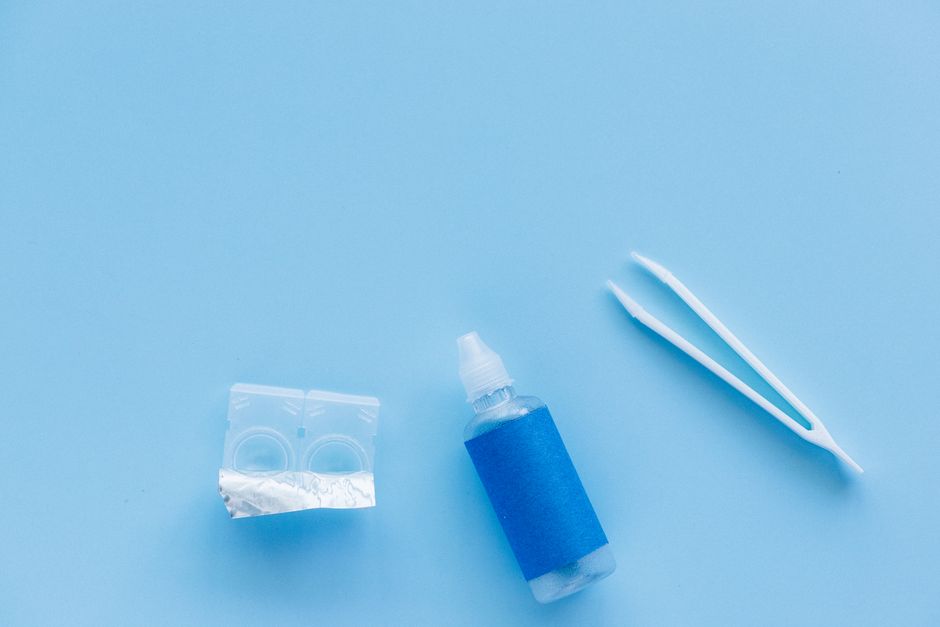
If you wear contact lenses, you have probably been told to clean them. But the real question is whether you are doing it in a way that actually keeps your eyes safe. Using contact lens solution the right way means never reusing old solution, always rubbing the lens even with a “no-rub” formula, and keeping the case clean and dry between uses. These steps matter because your eyes can develop serious infections from bacteria that grow when you cut corners. Most people skip at least one of these steps without realizing the risk.
What Happens When You Use Contact Lens Solution the Wrong Way?
Using solution incorrectly does not just make your lenses feel dirty. It can lead to real medical problems. The CDC reports that roughly one in five contact lens-related eye infections result in some form of eye damage. That is not a small number.
When you top off old solution instead of using fresh liquid, you are basically bathing your lenses in bacteria. The solution loses its ability to kill germs after it has been used once. Reusing it is like washing your hands in dirty water. You are not getting clean.
Another common mistake is using tap water or saliva on lenses. This is widely claimed to be dangerous, and strong evidence backs that up. Tap water contains microorganisms that can cause a corneal infection called acanthamoeba keratitis. It is rare but hard to treat and can lead to vision loss.
How To Use Contact Lens Solution the Right Way Step by Step
The process is straightforward but requires consistency. Start by washing your hands with soap and water. Dry them with a lint-free towel. Any lint on your fingers can stick to the lens and irritate your eye.
Remove one lens and place it in the palm of your hand. Squirt enough fresh solution to cover it completely. Rub the lens gently with your finger for about 10 to 15 seconds. Even if the bottle says “no rub,” research published in the journal Optometry and Vision Science found that rubbing reduces microbial buildup better than rinsing alone.
Rinse the lens with more fresh solution after rubbing. Then place it in a clean case filled with fresh solution. Repeat for the other eye. Close the case tightly and store it upright at room temperature.
How Often Should You Replace Your Solution and Case?
Replace the solution in your case every single day. Even if you did not wear your lenses, dump the old liquid and add fresh solution. Bacteria can grow in the case even when the lenses are not in there.
Replace your contact lens case every three months at minimum. The American Academy of Ophthalmology recommends this timeline. Some people report that their case looks clean for longer, but bacteria are invisible to the naked eye. You cannot see the biofilm that builds up over time.
If you drop your case on the floor or if it cracks, replace it immediately. A cracked case can trap bacteria in places the solution cannot reach.





What Type of Solution Should You Use?
Not all solutions are the same. There are three main types: multipurpose solution, hydrogen peroxide solution, and saline solution. Each one works differently.
| Solution Type | Best For | Key Warning |
|---|---|---|
| Multipurpose | Daily cleaning, rinsing, and storage | Must rub and rinse lenses even if labeled “no rub” |
| Hydrogen Peroxide | Deep cleaning, removing protein buildup | Must soak for at least 6 hours. Never put directly in eye |
| Saline | Rinsing only. Does not disinfect | Never use for overnight storage or cleaning |
Multipurpose solution is the most common and works well for most people. Hydrogen peroxide solution is more effective at killing bacteria but requires a special case that neutralizes the peroxide. If you put hydrogen peroxide directly on a lens and then into your eye, it will burn severely and can damage your cornea.
Saline solution is not a cleaner. Some people report using it for storage, but evidence indicates this is unsafe. Saline has no disinfecting properties. Bacteria grow freely in it.
What to Avoid When Using Contact Lens Solution
There are several things you should never do. The list is short but important.
- Never use tap water, bottled water, or homemade saline on your lenses.
- Never top off old solution. Always use fresh liquid.
- Never transfer solution into smaller travel bottles. This can contaminate the liquid and reduce its effectiveness.
- Never sleep in lenses unless your eye doctor specifically prescribed extended-wear lenses.
- Never wear lenses past their replacement schedule. Daily disposables are for one day only.
These rules are not suggestions. They are based on clinical evidence from organizations like the FDA and the CDC. Each one addresses a specific way that infections start.
What Does Research Show About Contact Lens Solution Safety?
Research shows that improper solution use is one of the top causes of contact lens complications. A 2018 study published in Ophthalmology found that 85 percent of contact lens wearers reported at least one risky behavior. The most common was sleeping in lenses, but reusing solution was close behind.
The FDA has issued multiple safety communications about contact lens solution over the years. They specifically warn against topping off solution and using non-sterile water. The agency also requires that all contact lens solutions list their active ingredients and disinfection times clearly on the label.
Some studies suggest that hydrogen peroxide solution may be more effective than multipurpose at killing certain resistant bacteria. But the difference is small for most users. The bigger factor is whether you follow the correct steps regardless of which solution you choose.
Common Misconceptions About Contact Lens Solution
One common myth is that you can clean your lenses by just rinsing them with solution. Rinsing removes debris but does not disinfect. You have to rub to loosen the protein and lipid deposits that trap bacteria.
Another myth is that you can stretch the life of your solution by adding a little bit each night. This is widely claimed, but strong evidence shows it increases infection risk. The preservatives in the solution get used up after one use. Adding more fresh solution to old liquid does not restore the preservative power. You are just diluting the bacteria soup.
Some people believe that if their eyes feel fine, their cleaning routine is working. This is not true. Early stage infections do not always cause pain or redness. By the time symptoms appear, the infection may already be established.
Using contact lens solution the right way is not complicated. Wash your hands. Rub the lenses. Use fresh solution every time. Replace your case every three months. That is it. Skipping any of these steps increases your risk of infection. Your eyes are not worth the shortcut.
Frequently Asked Questions
Can I use contact lens solution after the expiration date?
No. Expired solution loses its disinfecting ability and can allow bacteria to grow. Always check the date before each use.
Is it safe to use contact lens solution in my eyes as drops?
No. Contact lens solution is not formulated for direct eye contact and can cause irritation or damage. Use only approved rewetting drops.
How long can contact lenses sit in solution without being worn?
Most multipurpose solutions keep lenses safe for up to 30 days of continuous soaking. Change the solution if lenses have been sitting longer than that.
Can I share my contact lens solution with someone else?
No. Sharing solution can transfer bacteria between users and increase infection risk. Each person should have their own bottle.
