
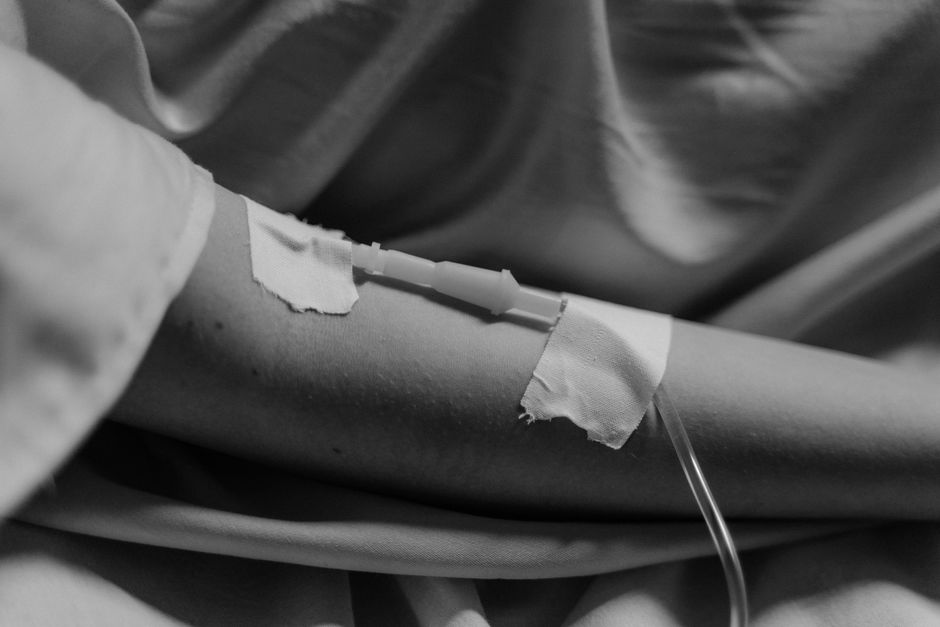
A new piercing is a wound, and how you clean it in the first few weeks shapes how well it heals. Saline solution is the standard aftercare choice because it matches the salt balance of your body’s own fluids, so it cleans the site without stinging or stripping the skin. This article explains what saline solution is, why it is used for piercings, how to use it correctly, and when to see a professional.
What Is Saline Solution For Piercings And How To Use It?
Saline solution for piercings is a sterile mixture of salt and water, usually at a concentration of 0.9%. That strength is called isotonic, meaning the salt level matches the concentration of your blood and tears. Because it is balanced, it does not pull water out of your cells or irritate the tissue the way plain tap water or harsh soaps can.
The way to use it is simple. Spray or rinse the piercing with sterile saline once or twice a day, let it air dry or pat it gently with clean paper towel, and otherwise leave it alone. You do not need to rotate jewelry, scrub the site, or apply anything else.
What you should buy matters. The safest choice is a sterile saline wound wash sold in a pressurized can or a sealed sterile bottle. Read the label carefully. The only ingredients should be water and sodium chloride at 0.9%. Many products marketed for piercings add preservatives, fragrances, or antibacterial agents that can irritate a healing wound.
Here is a point that surprises many people. A piercing is a puncture wound, and wounds heal best when they are left undisturbed. Over-cleaning is a common mistake. Cleaning more than twice a day, or using strong products, tends to delay healing rather than speed it up.
Why Is Saline Used Instead of Alcohol or Hydrogen Peroxide?
Alcohol and hydrogen peroxide are too harsh for a healing piercing. Both are antiseptics that kill bacteria, but they also damage the new tissue your body is building to close the wound. That damage can dry out the skin, cause irritation, and slow the healing process.
Saline is different because it does not try to sterilize the piercing. A healing piercing is not sterile, and it cannot be kept sterile. What saline does is gently flush away dried blood, crust, and debris while keeping the tissue moist, which supports the natural healing process.
Some clinicians still recommend saline for wound care in general because it is gentle and does not damage tissue. The same logic applies to piercings. The goal is not to disinfect aggressively but to keep the area clean and undisturbed so your body can do its job.
Can You Make Saline Solution at Home?
You can mix salt and water at home, but it is hard to get right and easy to get wrong. The correct ratio is about half a teaspoon of non-iodized salt to one cup of distilled or boiled-and-cooled water. Table salt often contains iodine and anti-caking agents that can irritate a piercing.
The bigger problem is sterility. A homemade mixture is not sterile, even if you boil the water, because the container and the salt are not sterile. For a fresh piercing, a sterile commercial saline wound wash is the safer and simpler option.
If you do make it at home, use it once and throw it away. Do not store it for later use. And never add more salt thinking it will clean better. A stronger solution can dry out and irritate the skin.




How Often Should You Clean a New Piercing?
Twice a day is the general standard for a new piercing. Once in the morning and once at night is enough for most people. If the piercing gets dirty, such as from sweat or makeup, a gentle rinse with saline is fine.
More cleaning is not better. Cleaning three, four, or five times a day can dry out the skin and cause irritation. The tissue needs time to heal without constant disturbance.
You should also avoid touching the piercing with unwashed hands, and keep it away from pools, hot tubs, and natural bodies of water until it is fully healed. These can introduce bacteria that a fresh piercing cannot defend against.
Healing times vary by location. Earlobe piercings often heal in about six to eight weeks. Cartilage piercings can take several months or longer. These are general ranges, and individual healing depends on many factors, including your health and how well you care for the site.
What Are the Signs of an Infection Versus Normal Irritation?
Some redness, swelling, and a small amount of clear or whitish fluid are normal in the first days after a piercing. This is part of the healing response, not a sign of infection.
Signs that suggest infection include spreading redness, increasing pain, warmth, swelling that gets worse rather than better, and pus that is thick, yellow, or green and has a bad smell. A fever or chills are also warning signs.
Irritation is more common than infection and often looks similar at first. An irritation bump, sometimes called a granuloma, is a raised red or pink bump near the piercing. It is usually caused by friction, trauma, or poor jewelry fit, not by bacteria. It often settles when the source of irritation is removed, but it can take weeks.
If you are not sure whether you have an infection or irritation, see a healthcare provider or a professional piercer. Do not try to treat a suspected infection with home remedies or leftover antibiotics. A true infection may need medical treatment.
What Else Affects How Well a Piercing Heals?
Jewelry matters. A ring that is too tight, or a stud that is too short, can press on the tissue and cause irritation. A professional piercer can check the fit and change the jewelry if needed. Do not change jewelry yourself before the piercing is fully healed.
Your overall health plays a role too. Conditions that affect healing, such as diabetes, and habits like smoking can slow the process. Good nutrition and sleep support healing in general.
Location matters as well. Piercings in areas that move a lot, or that rub against clothing, tend to be harder to heal. Cartilage piercings heal more slowly than earlobe piercings because cartilage has less blood flow.
Avoid picking at crust. Crust is dried fluid from the wound, and it is normal. Let saline soften it, then gently wipe it away if it comes off easily. Picking can reopen the wound and set healing back.
When Should You See a Professional?
See a healthcare provider if you have signs of infection, such as spreading redness, worsening pain, thick pus, fever, or chills. These need medical evaluation. Do not wait to see if they improve on their own.
See a professional piercer if the jewelry is too tight, if you have a bump that is not improving, or if you are unsure how to care for the piercing. A piercer can assess the fit and give practical guidance.
If the piercing is embedded in the skin, or if the jewelry is sinking in, that is a reason to seek help promptly. An embedded piercing can become a bigger problem if it is left alone.
Frequently Asked Questions
Can I use contact lens solution on my piercing?
No. Contact lens solution often contains preservatives and other ingredients that can irritate a healing piercing. Use only sterile saline wound wash with water and 0.9% sodium chloride.
How long should I clean my piercing with saline?
Clean it with sterile saline until it is fully healed, which is often six to eight weeks for earlobes and several months for cartilage. After healing, you can keep the area clean with normal washing.
Is sea salt better than table salt for a homemade saline solution?
Neither is ideal for a fresh piercing because a homemade mix is not sterile. If you must make it, use non-iodized salt and distilled or boiled-and-cooled water, and use it only once.
Does saline solution cure an infected piercing?
No. Saline cleans the site but does not treat infection. If you have signs of infection such as spreading redness, thick pus, fever, or chills, see a healthcare provider.
