

Coconut oil can be used on hair as a pre-wash treatment, a leave-in for dry ends, or a scalp oiling routine. The most reliable method is to warm a small amount, work it through dry or damp hair from mid-length to ends, leave it on for at least 30 minutes or overnight, then shampoo it out thoroughly. How well it works depends on your hair type, how you apply it, and what you expect it to do.
How To Use Coconut Oil For The Hair Step By Step
Start with clean, dry hair or hair that is damp from a spray bottle. Dry hair absorbs oil differently than wet hair, and dry application gives you more control over how much you use.
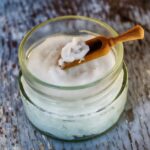
Take one to two teaspoons of coconut oil, depending on hair length and thickness. Solid coconut oil melts at about 76°F (24°C), so rub it between your palms until it turns to liquid. Cold-pressed, unrefined coconut oil works the same as refined for this purpose.
Work the oil through your hair starting at the mid-lengths and moving down to the ends. These areas are usually the driest and benefit most. If your scalp is dry or flaky, you can massage a small amount into the scalp too, but people with oily scalps often skip this step.
Once the oil is distributed, cover your hair with a shower cap or wrap it in a warm towel. Leave it on for at least 30 minutes. For a deeper treatment, leave it overnight. There is no clinical guideline that specifies an ideal time, so treat this as a practical range rather than a proven threshold.
Wash it out with shampoo. You may need to lather twice, especially if you used a heavy application. Follow with conditioner on the ends if your hair tends to tangle.
How often you do this depends on your hair. Once a week is a common routine. Fine or thin hair may do better with less frequent use, while thick, coarse, or highly porous hair can often handle more.
What Does Coconut Oil Actually Do To Hair?
Coconut oil can reduce protein loss from hair during washing. This is one of the better-supported effects in the research. The mechanism involves the structure of the oil itself.
Coconut oil is high in lauric acid, a medium-chain fatty acid. Because of its straight-chain structure and small molecular size, lauric acid can penetrate the hair shaft more readily than many other oils. Research published in the Journal of Cosmetic Science found that coconut oil applied before washing reduced protein loss in both damaged and undamaged hair. Mineral oil and sunflower oil did not show the same effect in that work.
This matters because hair is largely made of protein. When hair gets wet, the cuticle lifts slightly and some protein can leach out, especially in hair that has been chemically treated or heat-damaged. An oil that penetrates the shaft may help limit that loss.
What coconut oil does not do is repair split ends, make hair grow faster, or permanently change hair structure. It coats the surface, adds slip, and can reduce friction. Those are real but temporary effects.
Which Hair Types Benefit Most From Coconut Oil?
Hair porosity matters more than hair texture here. Porosity refers to how easily hair absorbs and holds moisture. High-porosity hair has a raised cuticle and tends to lose moisture quickly. Low-porosity hair has a tight, flat cuticle that resists absorption.
High-porosity hair generally responds well to coconut oil because the oil can get into the shaft. Low-porosity hair often sits coated and greasy because the oil stays on the surface.
Fine hair tends to look weighed down faster than coarse hair. If your hair is fine and straight, a very small amount on the ends only is usually enough. Thick, curly, or coily hair can often handle more oil and benefits from the added slip for detangling.
Protein-sensitive hair is a separate consideration. Some people find that coconut oil, which helps preserve protein, makes their hair feel stiff or brittle over time. This is anecdotal rather than well-established in clinical research, but it is a common enough experience that it is worth mentioning. If your hair feels crunchy after repeated use, cut back.




Does Coconut Oil Help With Hair Growth Or Scalp Health?
No clinical evidence currently confirms that coconut oil makes hair grow faster. Hair growth is driven by genetics, hormones, nutrition, and overall health. No topical oil has been shown in large human trials to increase the rate of hair growth.
What coconut oil can do for the scalp is moisturize and reduce dryness. If flaking is caused by a dry scalp, oiling may temporarily relieve it. If flaking is caused by a fungal condition like seborrheic dermatitis, oil can make it worse by feeding the yeast involved. These two causes look similar to most people, and telling them apart usually requires a clinician.
Some research has looked at coconut oil as a carrier for other compounds. A study in the journal Evidence-Based Complementary and Alternative Medicine compared coconut oil and mineral oil as bases for a topical treatment in people with mild to moderate atopic dermatitis. The coconut oil base performed better in that trial. This does not mean coconut oil treats scalp conditions, but it does suggest the oil itself is not inert on skin.
If you are losing hair, oiling your scalp will not address the cause. Hair loss has many drivers, including thyroid problems, iron deficiency, hormonal changes, and autoimmune conditions. Those need medical evaluation, not a home remedy.
Common Mistakes When Using Coconut Oil On Hair
Using too much is the most frequent problem. Coconut oil is heavy, and a little goes a long way. Start with less than you think you need.
Applying it to the scalp when you have an oily scalp is another common error. This can lead to buildup, itching, and clogged follicles. Keep the oil on the lengths and ends unless your scalp is genuinely dry.
Not washing it out completely is a third issue. Residual oil attracts dirt and can make hair look dull. If your regular shampoo does not cut through it, try a clarifying shampoo once every few weeks.
Leaving it on for days at a time does not add benefit. There is no evidence that longer wear improves results beyond the initial application period.
Using coconut oil as a heat protectant is a mistake worth calling out. No study has confirmed that coconut oil protects hair from the high temperatures of flat irons or blow dryers. Use a product formulated for heat protection instead.
Does Coconut Oil Work Better Than Other Oils?
For reducing protein loss during washing, coconut oil has stronger evidence than most other oils. The lauric acid content and small molecular structure give it an advantage for penetrating the hair shaft.
For adding shine and slip, many oils work about equally well. Argan oil, jojoba oil, and sunflower oil all coat the hair surface and reduce friction. The difference is largely in how each oil feels and how heavy it is.
For sealing in moisture, heavier oils like castor oil or shea butter may work better on very coarse hair. For fine hair, lighter oils like jojoba are often easier to use.
There is no single best oil for everyone. The right choice depends on your hair porosity, texture, and what you want the oil to do.
Is Coconut Oil Safe For All Hair And Scalp Types?
Coconut oil is generally well tolerated when applied to hair. Allergic reactions to coconut are uncommon but do occur. If you have a known coconut allergy, do not use it.
People with acne-prone skin should be cautious about letting oil sit on the scalp or hairline. Coconut oil is comedogenic, meaning it can clog pores. This can trigger breakouts along the forehead and hairline.
If you have a diagnosed scalp condition like psoriasis or seborrheic dermatitis, check with a dermatologist before adding oil to your routine. Some scalp conditions worsen with added oil.
For most people without these concerns, coconut oil is a low-risk addition to a hair care routine. The main downside is cosmetic: greasy, weighed-down hair if you use too much or do not wash it out well.
Frequently Asked Questions
How long should I leave coconut oil in my hair?
At least 30 minutes is a practical minimum, and overnight is a common option for deeper treatment. No clinical guideline specifies an ideal duration, so this is based on routine practice rather than proven timing.
Can I leave coconut oil in my hair overnight?
Yes, many people apply it before bed, cover their hair, and wash it out in the morning. Use a towel or pillowcase you do not mind staining, and keep the application light to avoid transferring oil to your face.
Does coconut oil help with hair growth?
No clinical evidence currently confirms that coconut oil increases hair growth rate. It can moisturize the scalp and reduce dryness, but hair growth is driven by genetics, hormones, and overall health.
How often should I use coconut oil on my hair?
Once a week works well for most people as a pre-wash treatment. Fine or thin hair may do better with less frequent use, while thick or highly porous hair can often handle more.
