
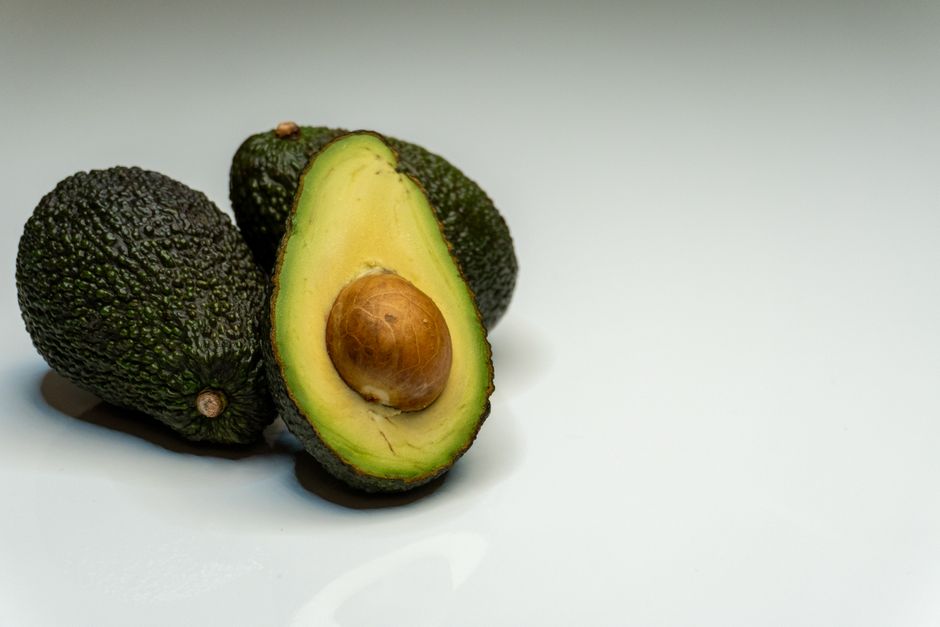
You can dry an avocado seed, grind it into powder, and add it to food or drinks. That is the short answer. But it is worth knowing what the research actually shows before you decide how much to rely on it. Most of what you have read about avocado seeds and inflammation is based on lab studies and animal research, not human trials. This article walks through what is known, what is not, and how to use the seed safely if you choose to try it.
What Is in an Avocado Seed That Might Affect Inflammation?
The avocado seed contains a range of plant compounds that have shown anti-inflammatory activity in laboratory settings. The most studied are polyphenols and flavonoids. These are the same broad categories of compounds found in many fruits, vegetables, and herbs that researchers study for their effects on inflammatory pathways.
In test-tube studies, extracts from avocado seeds have been shown to reduce certain inflammatory markers. Some animal studies have found similar results. But a test-tube result and a human result are very different things. The dose used in a petri dish is not the same as what your body absorbs when you eat the powder. How much actually reaches your cells and in what form is not well understood.
The seed also contains small amounts of other compounds, including tannins and catechins. These are common in plant foods. None of this makes the seed a proven anti-inflammatory treatment in humans. It makes it a reasonable subject for ongoing research.
How to Use Avocado Seed for Inflammation: Easy Steps to Follow
If you want to try avocado seed, the process is straightforward. Here are the steps.
- Remove the seed from a ripe avocado. Rinse it well under running water to remove any remaining flesh.
- Dry the seed completely. Place it in a warm, dry spot for several days, or use a food dehydrator on a low setting. A wet seed will not grind properly and may grow mold.
- Peel off the thin brown skin if you can. It is bitter and tough. Some people leave it on. It will not harm you, but it affects taste.
- Break the seed into smaller pieces with a hammer or heavy knife. A whole seed is too hard for most home grinders.
- Grind the pieces in a high-powered blender, coffee grinder, or spice grinder until you have a fine powder.
- Store the powder in an airtight container away from light and heat. Use it within a few weeks.
A common approach is to add half a teaspoon to a smoothie, yogurt, or oatmeal once a day. Some people start with less to see how their stomach reacts. There are no official dosing guidelines for avocado seed powder in humans. No clinical guidelines currently exist for this use. That means any dose you see online is based on personal experience or extrapolation from animal studies, not on established human data.
The powder tastes bitter. Most people mix it with something strongly flavored to mask it.
Does Avocado Seed Actually Reduce Inflammation in People?
No large human trials have confirmed that avocado seed reduces inflammation in people. The evidence we have comes almost entirely from laboratory and animal studies. Those studies are a starting point, not proof.
Some research suggests that the polyphenols in avocado seed can influence inflammatory pathways in cells. Whether that translates to a meaningful effect in a living human body is unknown. The dose, the absorption, and the way the compounds are metabolized all matter. None of those have been well studied for avocado seed in humans.
This is not unusual. Many plant compounds show promise in early research and then fail to show clear benefits in human trials. That does not mean they are useless. It means we should be honest about where the evidence stands.
If you have a condition caused by chronic inflammation, such as arthritis or inflammatory bowel disease, avocado seed powder is not a treatment. It will not replace prescribed medication. It may not do anything measurable at all.



Is Avocado Seed Safe to Eat?
Small amounts of avocado seed powder appear to be tolerated by many people. But safety data in humans is limited. There are no long-term studies on regular consumption.
The seed contains compounds that can be toxic in large amounts. One of these is persin, a natural compound found in avocado plants. Persin is known to be harmful to some animals, particularly birds and livestock. Its effect on humans at low doses is not well understood.
There are also reports of digestive upset, including stomach pain and nausea, in people who eat larger amounts. If you try it, start small. Stop if you notice any reaction.
People who are pregnant or breastfeeding should not use avocado seed powder. No safety data exists for these groups. The same applies to children. No clinical guidelines currently exist for avocado seed use in children.
If you take prescription medication, talk to your doctor before adding avocado seed powder to your routine. Some plant compounds can interact with drugs. We do not know enough about avocado seed to rule out interactions.
What Else Helps With Inflammation?
If your goal is to reduce inflammation, avocado seed is not the most reliable place to start. Several approaches have much stronger evidence behind them.
Eating a diet rich in vegetables, fruits, whole grains, and fatty fish is consistently linked to lower levels of inflammatory markers in large human studies. This is one of the most well-supported findings in nutrition science.
Regular physical activity also reduces chronic inflammation. This has been shown across many populations and age groups. The effect is modest but consistent.
Getting enough sleep matters. Chronic sleep deprivation is associated with higher inflammatory markers. So is ongoing stress.
If you smoke, quitting is one of the most effective things you can do to lower inflammation. This is not a minor point. Smoking causes systemic inflammation that affects nearly every organ.
None of these are as novel as avocado seed powder. They are just better supported.
Can You Use Avocado Seed Topically for Skin Inflammation?
Some people apply avocado seed oil or a paste made from the powder to their skin. There is no good evidence that this helps with skin inflammation. The compounds in the seed may not penetrate the skin well, and the risk of irritation is real.
If you want to try it, test a small area first. If you have a skin condition like eczema or psoriasis, talk to a dermatologist before experimenting. These conditions have established treatments. A home remedy is unlikely to replace them and could make things worse.
Bottom Line: Should You Try It?
You can try avocado seed powder if you are curious. It is easy to prepare and generally tolerated in small amounts. But go in with clear expectations. The evidence for its anti-inflammatory effects in humans is weak. It is not a proven remedy. It is not a substitute for medical treatment.
If you have chronic inflammation, the basics matter more. Diet, movement, sleep, and avoiding smoking have far more evidence behind them. Avocado seed powder is an experiment, not a solution.
Frequently Asked Questions
How much avocado seed powder should I take for inflammation?
There is no established dose for humans. Most people who use it take about half a teaspoon per day, but this is based on personal practice, not clinical guidelines.
Can I eat avocado seed raw?
You can, but it is very hard and extremely bitter. Most people dry and grind it first. Raw seed is difficult to chew and may cause stomach upset in larger amounts.
Does avocado seed help with arthritis?
No human trials have shown that avocado seed reduces arthritis symptoms. It is not a treatment for arthritis or any other inflammatory condition.
Is avocado seed safe for everyone?
No. People who are pregnant, breastfeeding, or giving it to children should avoid it because no safety data exists for these groups. Talk to your doctor if you take prescription medication.
