
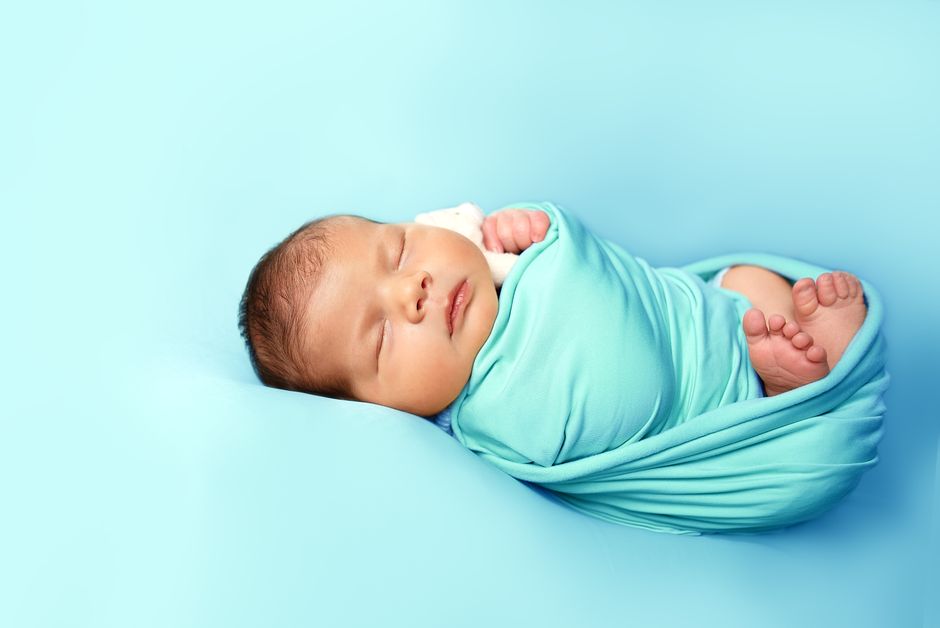
A swaddle sack is a wearable blanket that wraps a baby’s arms and torso while leaving the hips and legs free to move. Used correctly, it can help young infants settle and sleep. Used incorrectly, it can increase the risk of hip problems or, once a baby starts rolling, suffocation. The key rules are simple: snug around the chest, loose around the hips, and stop swaddling the moment a baby shows signs of rolling over.
What Is a Swaddle Sack and How Is It Different From a Regular Blanket?
A swaddle sack is a garment, not a loose covering. It typically has arm sections that hold the arms close to the body and a wider bottom section that lets the legs bend and move.
The difference from a regular blanket matters more than most parents realize. Loose blankets can shift over a baby’s face during sleep. A swaddle sack stays in place because it is worn, not draped. This is one reason many safe-sleep educators prefer wearable blankets over loose bedding for infants.
Swaddle sacks come in a few general designs:
- Arms-in sacks — both arms are wrapped or enclosed against the body. Used for younger infants who still have the startle reflex.
- Arms-out sacks — the torso is snug but the arms are free. Used as a transition when a baby is learning to self-soothe or beginning to roll.
- Convertible sacks — the arm sections can be opened or closed, allowing a gradual shift from arms-in to arms-out.
Some sacks use zippers, some use hook-and-loop fasteners, and some use a traditional wrap-style fold. The mechanism matters less than the fit. A sack that is too loose around the chest does not provide the contained feeling that helps many babies settle. A sack that is too tight around the hips can restrict the leg movement a baby’s developing hip joints need.
How To Use A Swaddle Sack Safely And Correctly
The single most important rule is to stop swaddling as soon as a baby shows any sign of trying to roll. A swaddled baby who rolls onto their stomach may not be able to roll back, and the face can become pressed against the sleep surface.
Beyond that, correct use comes down to fit and timing.
Fit around the chest: You should be able to slide two to three fingers between the sack and your baby’s chest. If you cannot, it is too tight. If you can fit a whole hand, it is too loose.
Fit around the hips: The bottom of the sack should be roomy. Your baby’s legs should be able to bend up and out at the hips. A sack that forces the legs straight down and pressed together is not appropriate for hip development.
Position: Always place a swaddled baby on their back to sleep. Never on the side or stomach.
Temperature: A swaddle sack adds a layer of warmth. Dress your baby in light clothing underneath — often just a diaper and a thin onesie is enough in a heated room. Overheating is a known risk factor for sleep-related infant deaths, so check for sweating, flushed skin, or a hot chest.
Timing: Swaddling is generally used for newborns and young infants. The American Academy of Pediatrics has advised that parents stop swaddling when a baby begins trying to roll, which many babies do around 3 to 4 months, though the exact age varies widely.
When Should You Stop Swaddling?
Stop the moment your baby shows signs of rolling — not the day they complete a full roll.
Signs to watch for include:
- Rocking side to side while on their back
- Pushing up onto one shoulder
- Kicking legs and shifting weight toward one side
- Rolling from back to side, even briefly
Some babies start these movements earlier than 3 months. Others are later. The behavior, not the calendar, is the signal.
If your baby is rolling and still needs the contained feeling of a swaddle, the standard approach is to transition to an arms-out sleep sack. Many parents do this gradually — one arm out for a few nights, then both arms out. This is common practice, though the evidence on which transition method works best is limited.
Some babies sleep worse during the transition. That is normal and usually temporary. It is still safer than continuing to swaddle a rolling baby.





What Are the Hip Risks of Swaddling?
Tight swaddling that pins the legs straight can interfere with normal hip development. The concern is a condition called developmental dysplasia of the hip, or DDH, in which the hip joint does not form properly.
The International Hip Dysplasia Institute and other pediatric orthopedic groups have raised this concern and recommend that any swaddle allow the legs to bend up and out at the hips. This is sometimes called the “hip-healthy” position.
The evidence linking tight swaddling to DDH comes largely from observational studies and from populations where traditional tight wrapping was common. It is not a guaranteed outcome — many babies who were tightly swaddled have normal hips. But the risk is real enough that the recommendation to keep the hips loose is widely accepted.
A swaddle sack with a wide, roomy bottom section is designed to avoid this problem. A traditional tight blanket wrap that straightens the legs is not.
Can Swaddling Increase the Risk of SIDS?
Swaddling itself has not been shown to cause SIDS. The concern is what happens when a swaddled baby rolls.
A baby who cannot yet roll is placed on their back and stays there. But once a baby can roll, they may roll onto their stomach while swaddled. Because their arms are bound, they may not be able to push up or turn their head freely. This raises the risk of suffocation.
Research on swaddling and sleep-related death has produced mixed results. Some studies have found an association between swaddling and an increased risk of sudden infant death, particularly when swaddled babies were placed on their side or stomach, or when swaddling continued past the age when rolling begins. Other studies have not found a clear link. The evidence is not settled.
What is clear and consistent across safe-sleep guidance:
- Always place a baby on their back to sleep.
- Stop swaddling as soon as rolling begins.
- Keep the sleep surface firm and free of loose bedding, pillows, and toys.
- Avoid overheating.
These steps reduce risk regardless of whether a baby is swaddled.
Do Swaddle Sacks Help Babies Sleep Better?
Many parents report that swaddling helps their newborn settle and sleep longer. The physiological reasoning is that swaddling reduces the startle reflex — the sudden arm-jerking motion that can wake a young infant.
The research on this is modest. Some small studies have found that swaddled infants cried less and slept somewhat longer than unswaddled infants. But the studies are limited in size and design, and results vary. Swaddling is not a guaranteed sleep solution, and some babies dislike it entirely.
If your baby seems calmer and sleeps better in a swaddle sack, and you are following the safety rules, there is no reason to stop before rolling begins. If your baby fights the swaddle or seems uncomfortable, it is not mandatory. A plain sleep sack with arms free is a reasonable alternative from the start.
What Should You Look For When Buying a Swaddle Sack?
Not all swaddle sacks are designed with safety in mind. A few features matter more than brand or price.
- Room to move the legs. The bottom should be wide and allow the hips to flex. Look for a sack described as hip-healthy.
- Snug but not tight chest fit. Adjustable closures help, but the sack should not compress the chest.
- Correct size for weight. Follow the manufacturer’s weight and height guidelines. An oversized sack can ride up over the face.
- No loose fabric near the face. Avoid sacks with hoods, attached toys, or extra fabric around the neck.
- Easy to open for diaper changes. A bottom zipper reduces the need to fully unwrap a sleeping baby.
Washing instructions matter too. A sack that shrinks in the dryer may become too tight on the next use. Follow the care label.
Common Mistakes Parents Make With Swaddle Sacks
Most swaddling problems come from a small number of errors.
Swaddling too tightly around the chest. This can restrict breathing. Two to three fingers of slack is the general guide.
Swaddling with the legs straight. This is the hip risk. The legs should be able to bend.
Continuing past rolling. This is the biggest safety concern. Stop at the first sign of rolling, not the first full roll.
Overdressing underneath. A swaddle sack is a layer. Adding a thick sleeper underneath can cause overheating.
Using a loose blanket instead of a sack. A loose blanket can cover the face. A wearable sack stays in place.
Placing a swaddled baby on their side. Side sleeping is not safe. Back only.
Frequently Asked Questions
At what age should you stop swaddling?
Stop swaddling as soon as your baby shows any sign of rolling — often around 3 to 4 months, but the behavior matters more than the age. A swaddled baby who rolls onto their stomach may not be able to roll back.
Can a swaddle sack cause hip problems?
Only if it forces the legs straight and pressed together. A properly designed swaddle sack with a roomy bottom lets the hips bend up and out, which is the position pediatric orthopedic groups recommend.
Is it safe to swaddle a baby who can already roll?
No. Once a baby can roll, swaddling should stop because their arms are bound and they may not be able to push up or turn their head if they end up face-down. Transition to an arms-out sleep sack instead.
How tight should a swaddle sack be around the chest?
You should be able to slide two to three fingers between the sack and your baby’s chest. If you cannot fit two fingers, it is too tight and can restrict breathing.
