
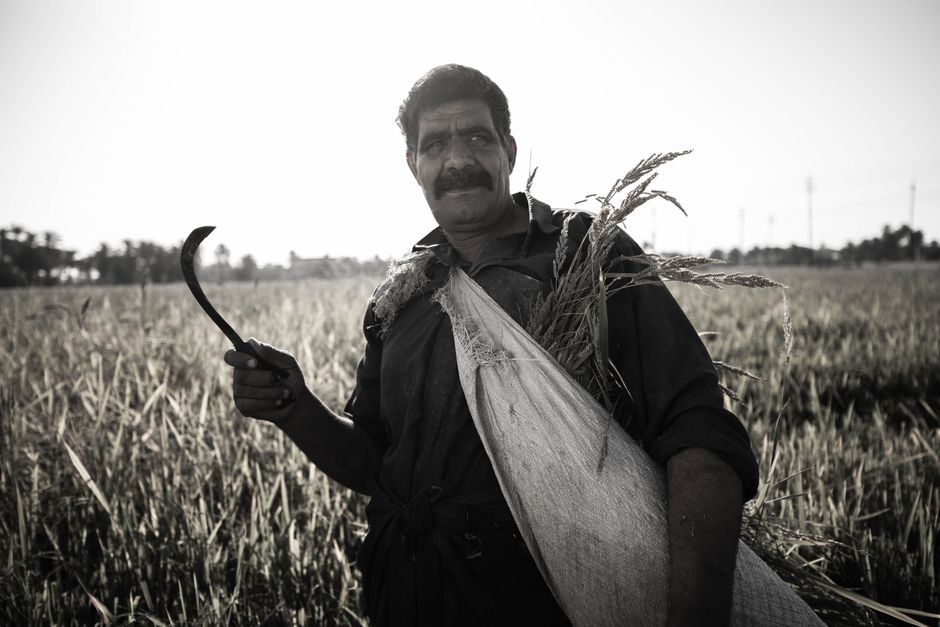
A sickle is a curved blade used for cutting grass, grain, and brush. The technique matters as much as the tool. A sharp blade, a stable stance, and a clear cutting path are what keep the work safe and effective. Most sickle injuries happen when the blade slips, when the user reaches into the cutting arc, or when the tool is dull and forces extra force.
This guide covers how a sickle cuts, how to hold and swing it, how to sharpen and store it, and when a sickle is the wrong tool for the job. It also covers first aid for cuts and what to do about tetanus risk. The information here is general safety guidance, not medical advice for a specific injury.
What Is a Sickle and How Does It Cut?
A sickle is a hand tool with a curved blade mounted on a short handle. The curve is the point. It lets you gather a bundle of stems against the blade and slice through them with a pulling motion rather than a chopping motion.
Traditional sickles have a smooth, sharpened edge. Serrated sickles have a toothed edge that grips stems and saws through them. The two types behave differently and require different technique.
- Smooth-blade sickle: cuts cleanly when sharp. Needs frequent sharpening. Works well on grass and grain.
- Serrated sickle: cuts by sawing. Stays usable longer between sharpenings. Better for tough, woody stems.
- Brush hook or billhook: heavier, for thicker growth. Not the same tool as a sickle and not used the same way.
The cutting action is a draw cut. You pull the blade toward you or across your body while the stems stay trapped against the curve. That trapping is what makes a sickle efficient. It is also what makes a dull sickle dangerous, because a dull blade slides off stems instead of catching them, and the user compensates with more force and less control.
How To Use A Sickle Technique Safety Care
Good technique starts before the first cut. Stand with your feet apart and your weight balanced. Keep your non-cutting hand behind the blade at all times. Never hold the stems you are cutting with your bare hand in the blade’s path.
Gather a bundle of stems with the non-cutting hand and pull them slightly away from the main clump. Bring the blade to the base of the bundle, close to the ground. Pull the sickle through the stems in one smooth motion. Let the blade do the work. If you have to force it, the blade needs sharpening or the stems are too thick for the tool.
Work in a rhythm. Cut, clear, step forward, cut again. Clearing as you go keeps the ground visible and reduces the chance of stepping onto a hidden stub or the blade itself.
Stance and grip
Hold the handle firmly but not tightly. A death grip tires the forearm fast and reduces control. Your cutting hand should be able to rotate the wrist freely through the stroke.
Keep your body out of the follow-through. The blade continues past the cut point, so plan where it will stop. If your leg or hand is in that path, change your stance.
Working near other people
Keep at least a full arm’s length plus the blade length between you and anyone else. That is a working guideline, not a fixed safety distance, because blade length varies. Announce yourself before you start cutting if someone is nearby. Never swing a sickle toward another person, even in jest.
What Makes a Sickle Dangerous?
The main hazard is the blade meeting a body part instead of a stem. This usually happens in three situations: a dull blade slipping off the stems, a hand reaching into the cutting arc, and a slip on uneven or wet ground.
Lacerations from sickles tend to be on the hands, fingers, lower legs, and feet. The blade is curved, so a cut can be deeper than it first appears and may follow a curved path through tissue.
Other risks are less obvious. Repetitive use can strain the wrist, forearm, and shoulder. Long sessions in the sun carry heat illness risk. Working in tall vegetation raises the chance of insect bites, ticks, and contact with poisonous plants.
A non-obvious point: most sickle injuries involve a blade that was too dull, not too sharp. A sharp blade bites and stops. A dull blade skids and travels. Keeping the edge sharp is a safety measure, not just a performance one.





How Do You Sharpen and Maintain a Sickle?
Sharpen a smooth-blade sickle with a file or whetstone, working along the bevel that is already there. Match the existing angle rather than creating a new one. A few light passes are usually enough to restore a working edge.
Serrated sickles are different. You sharpen the flat side of the blade, not the teeth. Filing the teeth individually removes the serrations and ruins the tool.
Wipe the blade clean after use and dry it. A thin coat of oil prevents rust. Store the sickle by the handle or in a sheath, never loose in a bag where the blade can contact your hand.
Inspect the handle regularly. A loose or cracked handle is a control problem, and loss of control is how injuries happen.
When Is a Sickle the Wrong Tool?
A sickle is built for stems you can gather and slice in one pull. It is the wrong choice for woody brush, thick branches, or large areas of dense growth.
For heavier work, a brush hook, machete, or powered trimmer is more appropriate. For large areas of grass, a string trimmer or mower is faster and keeps your hands farther from the cutting edge. Using a sickle on material it cannot handle leads to forcing, and forcing leads to slips.
If you have limited grip strength, wrist problems, or balance issues, a sickle may not be a good fit regardless of the material. There is no clinical guidance that says who should or should not use one. That is a judgment call based on your own physical capacity and the specific job.
What Should You Do If You Cut Yourself?
Stop cutting immediately. Put the sickle down, blade away from you. Apply firm, direct pressure to the wound with a clean cloth or gauze.
For a minor cut, keep pressure on until bleeding stops, then wash the wound with clean running water and mild soap. Cover it with a clean bandage. Watch for signs of infection over the following days, including increasing pain, redness, warmth, swelling, or pus.
Seek emergency care for deep cuts, cuts that will not stop bleeding after sustained pressure, cuts that expose fat, muscle, or bone, cuts that affect movement or feeling in the hand or foot, or any cut to the eye or face. Do not try to close a deep wound yourself.
Tetanus is a real concern with any cut from a soil-contacted blade. Tetanus is a serious bacterial infection, and it is preventable by vaccination. If your tetanus vaccination is not up to date, or if you are unsure, contact a healthcare provider. They can advise whether a booster or other treatment is needed. Do not rely on your own guess about your vaccination status.
This is general first aid information. It does not replace evaluation by a medical professional for a specific wound.
How Do You Care for Your Body During Sickle Work?
Take breaks. Sickle work is repetitive and uses the wrist, forearm, and shoulder in a narrow range of motion. Stopping before fatigue sets in reduces the chance of a slip from tired hands.
Drink water regularly and watch for signs of heat illness, including dizziness, headache, nausea, and heavy sweating followed by a stop in sweating. Move to shade and cool down if any of these appear. Heat illness can become an emergency, so do not push through symptoms.
Wear gloves, long pants, and closed-toe boots. These reduce the severity of a blade contact and protect against thorns, ticks, and plant irritants. They do not make a sickle safe to use carelessly, but they reduce harm when something goes wrong.
Frequently Asked Questions
Is a sickle safe to use without training?
A sickle is a sharp hand tool with real injury risk, and no formal training requirement exists for home use. Learning basic technique and keeping the blade sharp reduces the most common causes of injury.
How often should I sharpen a sickle?
Sharpen when the blade starts sliding off stems instead of cutting them, which for regular use may be every session or two. There is no fixed schedule because it depends on the blade and what you are cutting.
Do I need a tetanus shot after a sickle cut?
Contact a healthcare provider if your tetanus vaccination is not up to date or you are unsure of your status. Tetanus is preventable by vaccination, and only a clinician can advise on your specific needs.
Can I use a sickle to clear thick brush?
A sickle is designed for stems you can gather and slice in one pull, not for woody brush. For thicker growth, a brush hook, machete, or powered trimmer is the more appropriate tool.
