

Most people enter ketosis within two to four days of eating fewer than 20 to 50 grams of carbohydrates per day. But that timeline can vary based on your metabolism, activity level, and what you ate before starting. Some people reach measurable ketosis in less than 24 hours, especially if they exercise while fasting. Others may need a full week. What matters most is consistency with your carbohydrate limit. This article explains the real timeline, what affects it, and what to expect when your body switches fuel sources.
What Exactly Is Ketosis?
Ketosis is a normal metabolic state where your body burns fat for fuel instead of glucose. When carbohydrate intake is very low, your liver starts breaking down fat into molecules called ketones. These ketones then supply energy to your brain, muscles, and other tissues.
Blood ketone levels of 0.5 mmol/L or higher are the standard definition of nutritional ketosis. Levels below that mean your body is still relying primarily on glucose. This is a well-established physiological threshold used in research and clinical settings.
Ketosis is different from ketoacidosis. Ketoacidosis is a dangerous condition that occurs mainly in people with type 1 diabetes. It involves extremely high ketone levels and acidic blood. Nutritional ketosis is safe for most people and is not the same condition.
How Long To Get Into Ketosis?
The answer depends on your starting point and how strictly you restrict carbohydrates. For someone who eats a standard Western diet with 200 to 300 grams of carbs daily, entering ketosis usually takes two to four days of eating under 20 to 50 grams of carbs per day. This timeline is consistent across many clinical studies and real-world reports.
If you were already eating a low-carb diet or were fasting, you may enter ketosis in 24 hours or less. A long exercise session, especially fasted exercise, can speed this up by depleting glycogen stores faster. On the other hand, if you previously ate a very high-carb diet, you may need closer to five to seven days because your glycogen stores are larger.
No matter your starting point, the single most important factor is your net carb intake. Net carbs are total carbohydrates minus fiber and sugar alcohols. Keeping net carbs under 20 to 30 grams per day gives the most predictable results. Some people can enter ketosis with slightly higher carb limits, but individual variation is real.
What Factors Affect How Fast You Enter Ketosis?
Several factors influence how quickly your body shifts into ketosis. Understanding these can help you set realistic expectations.
Carbohydrate intake. This is the biggest factor. Fewer carbs means less glucose available, so the liver ramps up ketone production faster. Staying under 20 grams of net carbs daily is the most reliable strategy.
Activity level. Exercise depletes glycogen stores in your muscles and liver. This creates a demand for alternative fuel, and ketones rise as a result. A single intense workout can lower your time to ketosis by several hours.
Previous diet. If you were already eating low carb, your body is adapted to burning fat more efficiently. You will enter ketosis faster than someone who ate a high-carb diet. This is called metabolic flexibility.
Body composition and insulin sensitivity. People with higher body fat levels and lower insulin sensitivity often take longer to reach ketosis. Some research suggests that insulin resistance blunts the initial rise in ketones. However, once ketosis is achieved, the benefits for weight management may be greater.
Fasting. Intermittent fasting or time-restricted eating can accelerate ketosis. Going 16 to 24 hours without food depletes glycogen stores and boosts ketone production. Combining fasting with a low-carb diet often produces measurable ketones within 24 to 36 hours.




What Does It Feel Like When You First Enter Ketosis?
The first few days of ketosis can feel different from your normal state. Many people report a temporary period of low energy, headache, and brain fog. This is commonly called the “keto flu.” It occurs as your body adjusts to using ketones instead of glucose.
Symptoms of keto flu can include fatigue, irritability, dizziness, nausea, and muscle cramps. These symptoms are not dangerous but can be unpleasant. They usually last one to three days. Drinking extra water and getting enough sodium, potassium, and magnesium can reduce the intensity. Some research suggests these symptoms are partly due to water and electrolyte losses in the first few days.
Once the adjustment passes, most people describe a steady energy level with fewer energy crashes. Some report clearer thinking or better focus, though this is not guaranteed and varies between individuals.
It is worth noting that not everyone experiences keto flu. Some people transition smoothly with no symptoms at all. The presence or absence of symptoms does not tell you whether you are in ketosis—only a blood test or urine strip can confirm that.
How Can You Tell If You’re In Ketosis?
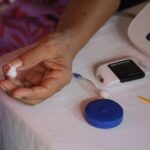
The most reliable way to know is to measure blood ketones with a meter. A blood level of 0.5 mmol/L or above means you are in ketosis. Levels between 1.5 and 3.0 mmol/L are common for nutritional ketosis. Meters are available without a prescription but require a small finger prick. They are accurate and widely used in research.
Urine test strips are another option. They change color based on acetoacetate, one type of ketone. However, urine strips become less accurate over time as your body adapts. After a few weeks of ketosis, your kidneys excrete fewer ketones, so the strips may show low readings even if your blood ketones are adequate.
Breath analyzers measure acetone in your breath. They are non-invasive but less precise than blood meters. They can be useful for tracking trends over time but are not as reliable for a single measurement.
Common physical clues include a metallic taste in the mouth or a fruity smell on the breath. These are caused by acetone, a byproduct of ketone breakdown. These signs are helpful but not definitive. Some people in ketosis never notice them.
Does It Get Easier Over Time?
Yes. After the first week or two, most people find the transition easier. Your body becomes more efficient at producing and using ketones. Blood ketone levels often stabilize in the 1.0 to 3.0 mmol/L range. Energy levels tend to even out, and the initial side effects disappear.
However, staying in ketosis requires ongoing discipline. A single high-carb meal can knock you out of ketosis for 24 to 48 hours. If that happens, the adjustment process starts over. This is why many people who follow a ketogenic diet long term plan for occasional higher-carb days carefully.
Some research indicates that after several months of ketosis, the body may produce fewer ketones overall because it becomes more efficient at using them. This is normal and does not mean you are no longer in ketosis. Blood levels often settle into a lower but still measurable range, such as 0.5 to 1.5 mmol/L.
Frequently Asked Questions
Can I enter ketosis faster by eating fat?
Eating more fat does not directly speed up ketosis. What matters is limiting carbs. Fat is used for fuel once ketosis is established, but consuming extra fat does not cause your body to enter ketosis sooner.
How long does it take to get into ketosis while fasting?
With a complete water fast, most people reach measurable ketosis within 24 to 48 hours. This is faster than with a low-carb diet because fasting depletes glycogen stores completely and quickly.
Will exercise help me get into ketosis faster?
Yes. Exercise depletes glycogen stores and signals your body to start using fat for fuel. A single workout can raise ketone levels temporarily, and consistent training can reduce the time needed to enter ketosis by several hours.
Can I stay in ketosis on 50 grams of carbs per day?
Some people can, but many cannot. The standard recommendation for reliable ketosis is under 20 to 30 grams of net carbs daily. If you are active and insulin sensitive, 50 grams may still allow ketosis, but it is not guaranteed. Testing blood ketones is the only way to know.
