
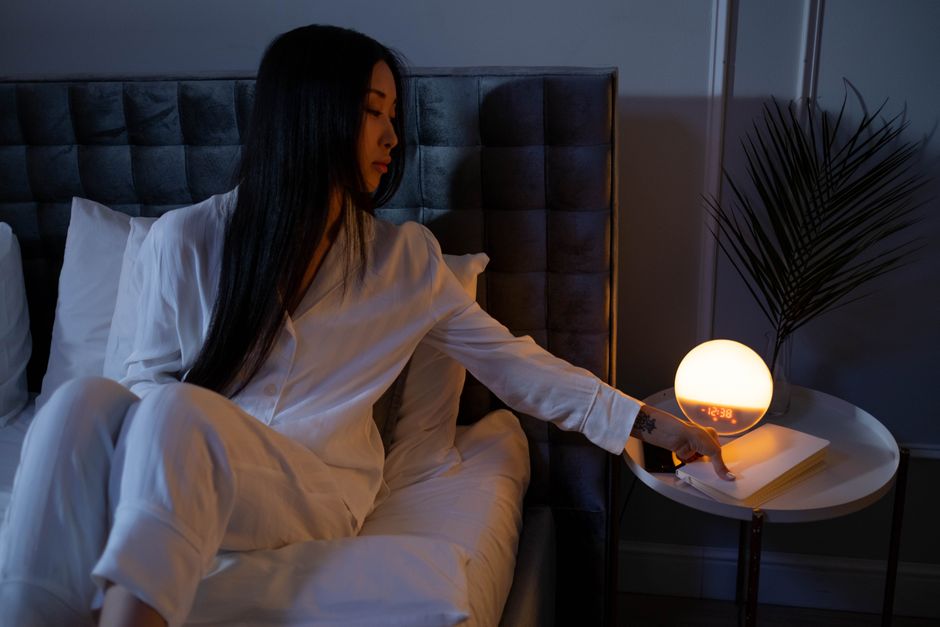
Using a light therapy lamp correctly comes down to three things: when you use it, how long you sit in front of it, and how close you are to it. For most people, that means a session in the morning, roughly 20 to 30 minutes, with the lamp positioned about 16 to 24 inches from your face. Those numbers come from the standard protocol used in clinical research on seasonal affective disorder, and they are the same numbers most clinicians still recommend today.
The details matter more than people expect. A session at the wrong time of day can work against you. Sitting too far from the lamp can turn a 30-minute session into a wasted one. This article explains the timing and dose question in plain terms, and it is honest about where the evidence is solid and where it is not.
How To Use A Light Therapy Lamp Timing And Dose
Morning use is the anchor of the whole protocol. Bright light in the morning signals the brain’s internal clock that the day has started, and that signal is what most of the research is built around.
Light therapy emerged as a treatment for seasonal affective disorder, a pattern of depression that follows the shorter, darker days of fall and winter. The standard device is a light box that delivers 10,000 lux at a specified distance, usually around 16 to 24 inches from the face. A typical session runs 20 to 30 minutes at that brightness.
Lower-intensity lamps exist. A 2,500 lux box requires roughly two hours to deliver a comparable dose. That math is why 10,000 lux became the default — it fits into a morning routine instead of consuming it.
Dose in light therapy is not just minutes. It is brightness multiplied by time multiplied by proximity. Move the lamp twice as far away and the light reaching your eyes drops sharply, because intensity falls off quickly with distance. Sitting at the distance the manufacturer specifies is not a minor detail. It is part of the dose.
What Time Of Day Should You Use A Light Therapy Lamp?
Morning is the recommended window, and earlier is generally better than later for most people. Many clinicians suggest using the lamp within the first hour or so after waking.
The reason is biological. Light exposure in the morning tends to shift the body’s sleep-wake timing earlier. Light in the evening tends to shift it later. For someone with winter depression, morning light appears to align with the timing that helps most.
Evening use is where people run into trouble. Using a bright lamp late in the day can delay sleep onset and make it harder to fall asleep. If your only free time is at night, that is worth discussing with a clinician rather than assuming it will work the same way.
There is one group where the timing logic flips. People whose body clock runs unusually early — a pattern sometimes called advanced sleep phase — may respond better to light later in the day. This is a clinical distinction, not something to self-diagnose. It is the kind of thing a sleep specialist or clinician can identify.
How Long Should A Light Therapy Session Last?
At 10,000 lux, most protocols call for 20 to 30 minutes once a day. That is the range used in the majority of clinical studies and the range most clinicians start with.
Some people do well with less. Others are advised to extend toward 45 or 60 minutes. Longer is not automatically better. More light is not the same as better results, and beyond a point it mainly raises the chance of side effects like headache, eye strain, or feeling wired or agitated.
A reasonable approach is to start at the lower end — around 20 minutes — and see how you respond over one to two weeks. If you feel no change and tolerate it well, a clinician may suggest extending the session or adjusting the distance. If you feel jittery, headachy, or overstimulated, shortening it is the usual first step.
Consistency matters more than intensity. Daily use during the darker months is the pattern that research supports. Skipping days and doubling up later is not an established strategy.





How Far Should You Sit From The Lamp?
Sit at the distance the device specifies, commonly 16 to 24 inches for a 10,000 lux box. That distance is not arbitrary — it is the distance at which the device was measured to produce 10,000 lux.
This is where a lot of people quietly underdose. They set the lamp across the room and assume the light still counts. It does not work that way. Brightness drops fast as distance increases, so a lamp rated at 10,000 lux at 16 inches delivers far less at 4 feet.
You do not need to stare at the lamp. The light needs to reach your eyes, but you can read, eat, or work with the lamp off to the side at roughly a 45-degree angle. Keep your eyes open. Glancing at it briefly is fine; staring directly into it is not necessary and can be uncomfortable.
Do not wear sunglasses during a session. Regular glasses and contact lenses are fine, since they do not block the relevant light the way tinted lenses can.
What Does The Evidence Actually Show?
For seasonal affective disorder, the evidence for bright light therapy is reasonably strong. It has been studied for decades and is widely used as a first-line approach for the winter pattern of depression.
For non-seasonal depression, the picture is more mixed. Some studies suggest light therapy may help as an add-on to other treatment, but it is not established as a standalone treatment for major depression. Anyone treating depression should be working with a clinician, not self-treating with a lamp.
For sleep timing problems, the evidence is better for specific circadian rhythm conditions than for general insomnia. Light therapy is not a proven fix for ordinary difficulty falling asleep.
Where the marketing often outruns the science is in areas like focus, energy, weight, and skin. Claims in those areas are not backed by strong clinical evidence. A light box is a tool with a specific, well-studied use, and it is worth keeping expectations tied to that.
Who Should Be Careful With Light Therapy?
Light therapy is generally well tolerated, but it is not right for everyone, and some people should talk to a clinician first.
- People with bipolar disorder. Bright light can trigger a shift into mania or a mixed state in some individuals. This is a real risk and a clinician should be involved.
- People taking medications that increase light sensitivity. Some drugs make the eyes and skin more reactive to light. A pharmacist or clinician can flag this.
- People with certain eye conditions. Retinal conditions, recent eye surgery, and some other eye problems warrant a check with an eye doctor before starting.
- People already prone to agitation or insomnia. Morning light is usually fine, but timing and duration may need adjusting.
Common side effects are usually mild and include headache, eye strain, nausea, and feeling overstimulated. They often ease when the session is shortened or moved earlier. If they persist, stop and check with a clinician.
How Long Until You Notice A Difference?
Some people notice a change within a few days. For others it takes one to two weeks of consistent daily use. That range reflects what is generally reported in clinical settings, though individual response varies a lot.
If you have used a lamp correctly for a few weeks and notice nothing, that is useful information. It may mean the dose is too low, the timing is off, or light therapy simply is not the right fit for your situation. None of those is a failure — they are reasons to talk to a clinician rather than push harder on your own.
One thing worth saying plainly: light therapy is not a substitute for professional care when depression is significant. It can be part of a plan. It should not be the whole plan for someone who is struggling.
Frequently Asked Questions
How many minutes should I use a light therapy lamp?
At 10,000 lux, most protocols call for 20 to 30 minutes once a day in the morning. Some people are advised to go longer, but more is not always better and can increase side effects.
Can I use a light therapy lamp at night?
Evening use is generally not recommended because bright light late in the day can delay sleep and make it harder to fall asleep. Morning use is the standard timing for most people.
Do I need to look directly at the light therapy lamp?
No. The light needs to reach your eyes, but you can read or work with the lamp off to the side at about a 45-degree angle. Keep your eyes open and avoid staring straight into it.
How far away should a 10,000 lux lamp be?
Usually about 16 to 24 inches from your face, or whatever distance the manufacturer specifies. Sitting farther away reduces the light reaching your eyes and can make the session less effective.
