
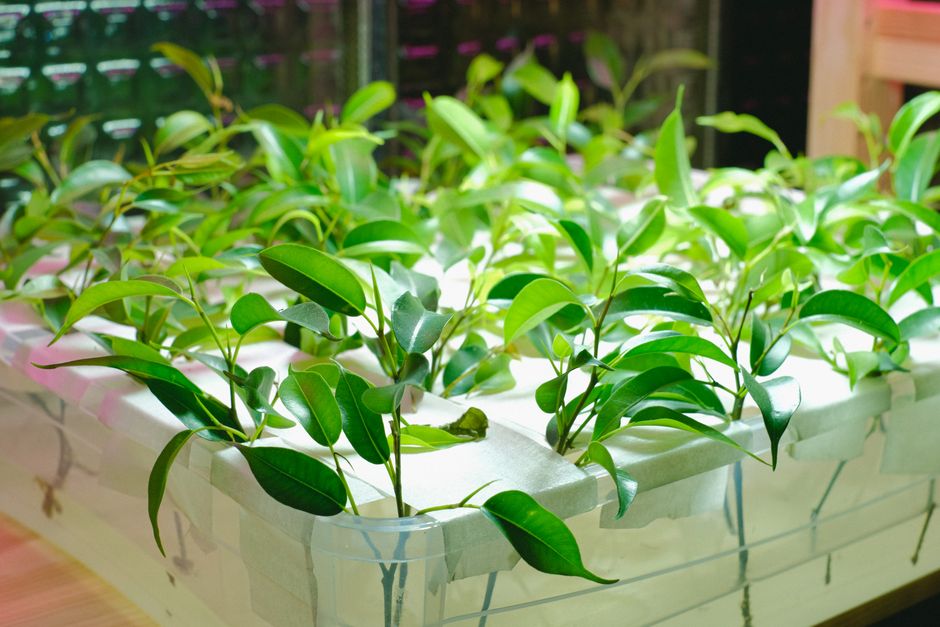
Starting a hydroponic garden means growing plants without soil. Instead, plant roots sit directly in water that carries dissolved nutrients. For a beginner, the simplest way to start is with a deep water culture system, where plant roots hang into a reservoir of nutrient solution and an air pump keeps oxygen flowing to them. You do not need a green thumb or expensive equipment to get started — you need a basic setup, the right nutrient mix, and a little patience while your plants adjust.
What Is A Hydroponic System And How Does It Work?
Hydroponics replaces soil with a nutrient-rich water solution. The plant still needs the same things soil provides — water, nutrients, and oxygen — but hydroponics delivers them more directly. In soil, roots work to extract nutrients from particles. In hydroponics, nutrients are already dissolved in water, so roots absorb them with less effort.
The three essentials in every hydroponic setup are water, nutrients, and oxygen. Water carries the nutrients. Nutrients supply the minerals plants need to grow. Oxygen prevents roots from drowning, because roots submerged in stagnant water will suffocate. That is why most systems use an air pump and air stone to keep the water moving and oxygenated.
Plants grow faster in hydroponics when conditions are right. Because nutrients are always available, the plant spends less energy hunting for food and more energy building leaves, stems, and fruit. This does not mean hydroponics is easier than soil — it means you trade soil management for water and nutrient management.
What Do You Need To Set Up Your First Hydroponic Garden?
For a first system, deep water culture (DWC) is the most forgiving. It has few moving parts and is hard to get wrong. You need a reservoir, a growing container, a growing medium, an air pump, an air stone, and hydroponic nutrients.
- Reservoir: A dark plastic tub or bucket. Darkness prevents algae growth inside the water.
- Net pots: Small baskets with holes that hold the plant and growing medium while allowing roots to reach the water.
- Growing medium: Clay pebbles, perlite, or coconut coir. This supports the plant but does not feed it.
- Air pump and air stone: These keep oxygen dissolved in the water. Without them, roots rot.
- Hydroponic nutrients: Liquid fertilizers made specifically for hydroponics. They contain the full range of minerals plants need.
- pH test kit: Plants absorb nutrients best in a narrow pH range, usually between 5.5 and 6.5.
You can buy a complete starter kit for less than the cost of a few restaurant meals. Or you can assemble parts yourself from a hardware store and online suppliers. Both work. The kit saves time; the DIY route saves money and teaches you the parts.
How To Set Up A Deep Water Culture System Step By Step
Fill the reservoir with water and let it sit for 24 hours if your tap water is chlorinated. Chlorine evaporates, and this prevents damage to beneficial bacteria and plant roots. If your water comes from a well or you already use filtered water, you can skip this step.
Add nutrients according to the label on the bottle. Measure carefully. More is not better — too many nutrients can burn roots and stunt growth. Most nutrient lines provide a feeding chart, and beginners should follow it exactly rather than guessing.
Check the pH of your nutrient solution. Most plants prefer a pH between 5.5 and 6.5. If your pH is too high or too low, use pH up or pH down solutions to adjust it. Test again after adjusting. pH drifts over time, so check it every few days.
Place the air stone in the reservoir and connect it to the air pump. Turn the pump on. You should see bubbles breaking the surface of the water. This is your oxygen supply.
Put your plant in a net pot filled with growing medium. Gently settle the roots through the holes in the pot so they can reach the water. The bottom of the net pot should touch the water surface. As the plant grows, roots will extend deeper into the reservoir.
Place a grow light about 6 to 12 inches above the plant if you are growing indoors. Hydroponic plants need light for photosynthesis just like soil plants. A basic LED grow light works fine for leafy greens and herbs.





Which Plants Are Easiest For Hydroponic Beginners?
Leafy greens and herbs are the best choices for a first hydroponic attempt. Lettuce, spinach, kale, basil, mint, and cilantro grow quickly and tolerate minor mistakes. They do not need strong light or heavy nutrient loads. You can harvest them within weeks of planting.
Fruiting plants like tomatoes, peppers, and strawberries grow well hydroponically but demand more from you. They need stronger lights, larger reservoirs, and careful nutrient management. They also take months to produce fruit. Start with greens. Build confidence. Add fruiting plants once your routine feels automatic.
Root vegetables like carrots and potatoes are poor choices for most hydroponic systems. They need deep, loose growing media and are not worth the extra effort for a beginner.
How Do You Maintain Nutrient Solution And pH?
Your plants drink water and absorb nutrients constantly. The water level in your reservoir will drop, and the nutrient concentration will change. Top off the reservoir with plain water between full nutrient changes. Do not add more nutrients every time you add water — this can overload the solution.
Change the entire nutrient solution every one to two weeks. Old solution accumulates salts and waste products that can harm plants. Dump it, rinse the reservoir, and mix a fresh batch. This is the single most important maintenance task in hydroponics.
Check pH daily at first. It will drift as plants take up nutrients. If it drifts outside the 5.5 to 6.5 range, adjust it. Over time you will learn your water’s natural tendencies and can check less often.
Watch your plants for signs of nutrient problems. Yellow leaves often mean nitrogen deficiency. Brown spots can mean potassium or calcium issues. Purplish leaves can mean phosphorus deficiency. When you see these signs, check your pH first — an off pH blocks nutrient absorption even when nutrients are present.
What Common Mistakes Do Beginners Make?
The most common mistake is overwatering — which sounds strange in a water-based system, but it happens. If the air pump stops or the water temperature climbs too high, oxygen levels drop and roots begin to rot. Keep your water temperature below 75°F if possible. Warm water holds less oxygen.
The second mistake is overfeeding. Beginners often add extra nutrients hoping for faster growth. This backfires. Excess salts build up, pH swings wildly, and plants show burn symptoms on leaf tips. Follow the nutrient label. Resist the urge to improvise.
The third mistake is ignoring light. People assume hydroponics means plants grow anywhere. Plants still need adequate light. Without enough light, plants stretch, grow pale, and produce weak stems. If your plants look thin and leggy, your light is probably too far away or too weak.
Algae is another common issue. Light reaching the nutrient solution causes green algae to grow in the reservoir. This algae competes with your plants for nutrients and oxygen. Keep your reservoir covered and opaque. If algae appears, clean the reservoir thoroughly during your next nutrient change.
How Long Until You See Results?
Leafy greens show visible growth within days. Lettuce can go from seedling to harvest in three to four weeks. Basil and mint grow even faster under good conditions. You will see roots extending into the water within the first week.
Do not expect instant perfection. Your first grow may include yellow leaves, slow growth, or pH frustrations. This is normal. Hydroponics is a skill, and the first cycle teaches you how your water behaves and how your plants respond. Most beginners find their second grow far smoother than their first.
Keep a simple log. Write down when you change nutrients, what pH readings you see, and how your plants look. This record becomes your reference guide and helps you spot problems early in future grows.
Frequently Asked Questions
Do hydroponic plants need soil at all?
No. Hydroponic plants grow with roots suspended in nutrient-rich water or an inert growing medium like clay pebbles.
How often do you change the water in a hydroponic system?
Change the entire nutrient solution every one to two weeks, and top off with plain water as the level drops between changes.
Can you grow any plant hydroponically?
Most leafy greens and herbs grow very well, but root vegetables and large fruiting plants are difficult for beginners.
Is hydroponic produce safe to eat?
Yes. Hydroponic vegetables are safe when you use clean water, food-grade nutrients, and wash produce before eating.
