
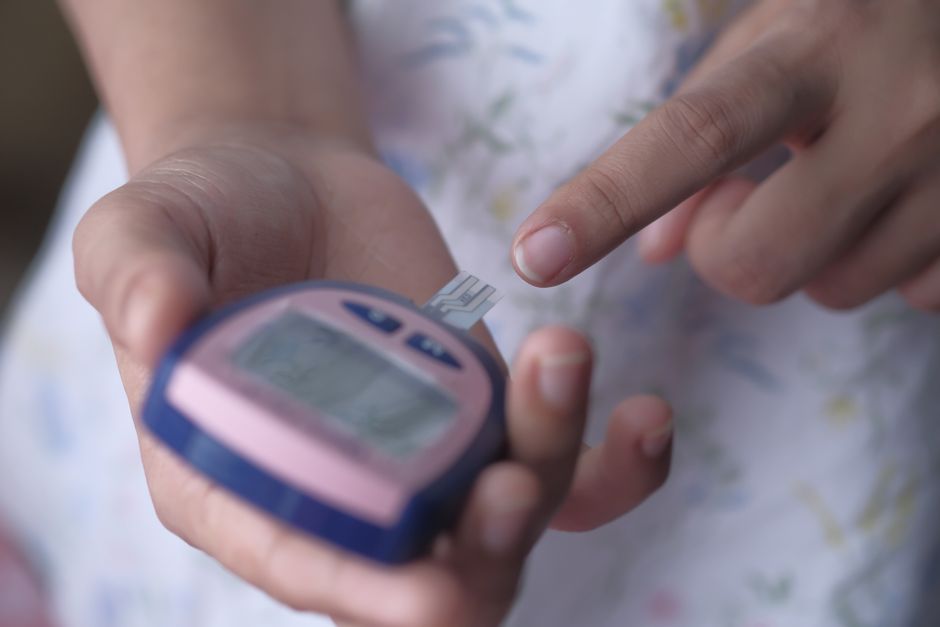
Checking your blood sugar with a glucometer is a straightforward process: you prick your finger, place a small drop of blood on a test strip, and the meter displays your glucose level within seconds. Getting an accurate reading depends on doing each step correctly, from washing your hands to storing your strips properly. Whether you have diabetes, prediabetes, or you are monitoring for another reason, knowing how to use your meter correctly helps you trust the numbers you see.
What Do You Need Before You Start?
Before you test, gather your supplies. You need the glucometer itself, the matching test strips, a lancing device with a fresh lancet, and a cotton ball or tissue. Some meters come with control solution, which you use to check that the meter and strips are working correctly. If you have control solution, use it according to the instructions that came with your meter, especially when you open a new box of strips.
Check the expiration date on your test strips. Expired strips can give inaccurate results. Also check that the code on the strip bottle matches the code on your meter if your meter uses coding. Many newer meters do not require coding, but if yours does, this step matters.
How To Use A Glucometer To Check Your Blood Sugar
Start by washing your hands with warm soapy water. Dry them completely. This is not just about cleanliness — food residue and even lotion on your fingers can change your reading. If you cannot wash your hands, wipe the fingertip with an alcohol swab and let it dry fully. Alcohol left on the skin can also affect the sample.
Insert a test strip into the meter. The meter will turn on automatically in most models. Prepare the lancing device by inserting a fresh lancet. Adjust the depth setting based on your skin thickness. A lower number is less deep and may be enough for most people. You want a drop of blood, not a wound.
Prick the side of your fingertip, not the pad. The sides have more blood flow and fewer nerve endings, so this hurts less. Squeeze gently from the base of the finger toward the tip to form a drop of blood. Do not squeeze hard or “milk” the finger aggressively, because this can dilute the sample with tissue fluid and give a falsely low reading.
Touch the edge of the test strip to the blood drop. The strip pulls the blood in by capillary action. Do not smear blood onto the strip or press the strip onto the finger. Apply the cotton ball or tissue to the puncture site and hold it briefly to stop the bleeding.
The meter counts down and displays your blood sugar number. This takes about five seconds on most modern meters. Record the reading in a logbook or an app if your doctor has asked you to track your levels. The number alone means little without context over time.
When Should You Check Your Blood Sugar?
When you test depends on why you are testing. For people with diabetes, common testing times include fasting in the morning before eating, two hours after meals, and sometimes before bed. Your doctor may recommend a specific schedule based on your medication and your blood sugar patterns.
For people with type 1 diabetes or those taking insulin, testing more frequently is typical. You may need to check before every meal and at bedtime. For people with type 2 diabetes not on insulin, testing once or twice daily may be enough, or your doctor may suggest testing at different times on different days to see patterns.
If you are checking because of prediabetes or general health monitoring, testing at fasting and two hours after a meal gives useful information. But understand that home glucometers are not diagnostic tools. If you are concerned about your blood sugar, a lab test ordered by a doctor is the standard way to diagnose diabetes or prediabetes.
Consistency matters more than frequency. Testing at the same times each day gives you comparable data. Random testing at different times makes patterns harder to see.


What Do The Numbers Mean?
Normal fasting blood sugar is below 100 mg/dL. A fasting level of 100 to 125 mg/dL indicates prediabetes. A fasting level of 126 mg/dL or higher on two separate tests indicates diabetes. These are established diagnostic criteria used by major medical organizations.
Two hours after a meal, a blood sugar level below 140 mg/dL is considered normal. Levels between 140 and 199 mg/dL indicate prediabetes. A level of 200 mg/dL or higher indicates diabetes.
These numbers apply to standard laboratory testing. Home glucometers are accurate but not identical to lab results. Most meters are considered accurate if they are within 15 percent of a lab value. This means a meter reading of 150 mg/dL could correspond to a lab value between about 127 and 173 mg/dL. This is acceptable for day-to-day management but not for diagnosis.
Talk to your doctor about your personal target range. Targets differ based on age, pregnancy status, how long you have had diabetes, and other health conditions. What is a reasonable target for one person may be too strict or too loose for another. Your doctor can help you set realistic goals.
Common Mistakes That Ruin Readings
Several common errors produce inaccurate readings. Not washing your hands is the most frequent mistake. Even a tiny amount of sugar on your fingers from food can raise the reading significantly. One study found that handling fruit before testing raised readings noticeably.
Using expired strips is another issue. The chemicals on the strips degrade over time. Using a strip past its expiration date can give results that are too high or too low. Always check the date on the bottle before you use a strip.
Insufficient blood on the strip is a common problem. If you do not fill the strip’s channel completely, the meter may give an error message or an inaccurate reading. It is better to start over with a fresh strip than to accept a questionable number.
Storing strips incorrectly also affects accuracy. Strips are sensitive to heat, humidity, and air. Keep them in their original container with the lid tightly closed. Do not store them in the bathroom or in direct sunlight. Do not transfer strips to another container that does not protect them from moisture.
Testing on a finger that has lotion or hand cream on it can interfere with the sample. Even small amounts can affect the reading. Wash your hands well and dry them completely before testing.
How Often Should You Replace Lancets and Check Your Meter?
Lancets are for single use. Reusing a lancet is common but not ideal. A used lancet is duller, which makes the next prick more painful. Reusing lancets also increases the risk of infection, even if that risk is small. Most guidelines recommend a fresh lancet for each test.
Your meter itself needs occasional checking. Use control solution to verify that the meter and strips are working together correctly. Check when you open a new bottle of strips, if you drop the meter, or if you get results that do not match how you feel. Control solution contains a known amount of glucose, so the reading should fall within a range printed on the solution bottle.
Clean your meter regularly. Blood can build up on the device over time. Follow the manufacturer’s instructions for cleaning. Most meters can be wiped with a soft, slightly damp cloth. Do not immerse the meter in water.
When Should You Call Your Doctor?
Call your doctor if you have readings that are consistently outside your target range. Do not wait for symptoms to develop. High blood sugar often causes no symptoms until it is quite high. Low blood sugar can cause shakiness, sweating, confusion, and rapid heartbeat, but some people do not feel symptoms until their levels are dangerously low.
Seek immediate medical attention if you have a reading above 240 mg/dL along with symptoms such as nausea, vomiting, abdominal pain, or rapid breathing. These can be signs of a serious condition called diabetic ketoacidosis, which requires urgent treatment. This applies mainly to people with type 1 diabetes, but anyone with very high readings and symptoms should seek care.
If your blood sugar is below 70 mg/dL and you feel symptoms of low blood sugar, treat it immediately with fast-acting carbohydrates. This means glucose tablets, juice, or regular soda. Recheck your blood sugar 15 minutes later. If it is still low, treat again. If you have repeated low readings, contact your doctor about adjusting your medication.
Frequently Asked Questions
How often should I test my blood sugar?
Your doctor determines your testing schedule based on your diabetes type and medication. People on insulin typically test more often, while those on oral medications may test once or twice daily.
Can I use the same lancet more than once?
Lancets are designed for single use, and reusing them increases pain and infection risk. A fresh lancet for each test is the recommended practice.
Why are my home readings different from lab results?
Home glucometers are accurate within about 15 percent of lab values, so small differences are normal. This level of accuracy is acceptable for daily management but not for diagnosis.
What should I do if my meter shows an error message?
An error usually means the strip was not filled with enough blood, the strip was inserted incorrectly, or the strip is expired. Discard the strip and repeat the test with a fresh one.
