
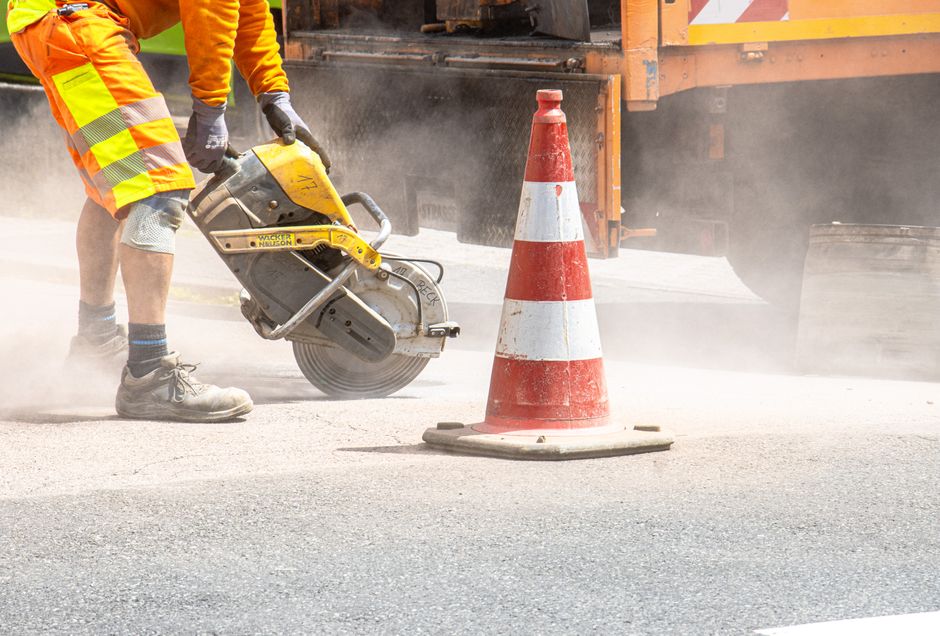
A disc cutter is a powerful tool that can cut through metal, concrete, and stone with ease. But that power comes with real risk. Used incorrectly, a disc cutter can cause serious injury from kickback, flying debris, or a broken disc. The key to using one safely and effectively is preparation, the right technique, and knowing exactly what to do when things go wrong. Here are the essential facts you need to know before you pull the trigger.
What Is A Disc Cutter And How Does It Work?
A disc cutter, also called an angle grinder, uses a spinning abrasive disc to cut materials. The disc spins at very high speed, typically between 6,000 and 11,000 revolutions per minute. This speed is what allows it to slice through hard materials, but it is also what makes the tool dangerous.
The disc is made of abrasive grains bonded together. When the disc spins, these grains grind away the material being cut. The cutting action produces sparks, heat, and fine dust particles. Understanding this basic mechanism helps you respect what the tool is doing every time you use it.
There are two main types of disc cutters: electric and petrol-powered. Electric models are common for indoor work. Petrol models are portable and used on job sites without power. The safety principles are the same for both.
What Safety Gear Do You Need Before Starting?
Personal protective equipment is not optional. It is the first line of defense against serious injury. You need to wear the following items every single time you use a disc cutter:
- Safety glasses or a face shield to protect your eyes from sparks and debris. A face shield over safety glasses offers the best protection.
- Hearing protection because disc cutters produce noise levels that can damage your hearing over time.
- Heavy-duty work gloves to protect your hands from sharp edges and hot material.
- Long sleeves and long pants made of non-flammable material. Avoid loose clothing that could get caught in the tool.
- Steel-toed boots to protect your feet if the tool or material falls.
- A dust mask or respirator because cutting produces fine particles that are harmful to breathe. Some materials, like concrete and certain metals, produce dust that is especially dangerous.
Do not skip any of these items. A moment of inconvenience is worth preventing a lifetime of injury.
How Do You Choose The Right Disc For The Job?
Using the wrong disc is a common cause of accidents. Discs are designed for specific materials. A disc made for metal is not safe for cutting concrete, and vice versa.
Check the disc rating before you mount it. The disc must be rated for the maximum speed of your tool. This information is printed on the disc itself. Never use a disc rated for a lower speed than your tool produces. The disc can shatter at high speed, sending fragments flying.
Also check the disc size. The disc diameter must match the tool specifications. Using a disc that is too large or too small compromises safety and performance. Inspect every disc before mounting it. Look for cracks, chips, or signs of wear. A damaged disc can break apart during use. Discard any disc that shows damage.





How To Use A Disc Cutter Safely And Effectively: Step-By-Step Technique
Proper technique is what separates safe cutting from dangerous cutting. Follow these steps every time.
First, secure the workpiece. Never hold material with one hand while cutting with the other. Use a vice or clamps to hold the material firmly. This frees both hands to control the tool and prevents the material from moving mid-cut.
Second, position your body correctly. Stand with your feet shoulder-width apart. Keep your body out of the line of the disc. If the disc kicks back, you want your body to be to the side, not directly behind the cutting path.
Third, let the tool do the work. Do not press hard on the disc. Apply light, even pressure and let the disc speed do the cutting. Forcing the tool increases friction and heat, which can damage the disc and cause it to bind.
Fourth, use the correct cutting angle. The disc should cut straight through the material. Do not twist or bend the disc. Twisting the disc puts side pressure on it, which can cause it to shatter.
Fifth, keep the guard in place. The guard is there to protect you from sparks, debris, and the disc itself. Never remove it. Position the guard so it deflects sparks away from your body.
Finally, let the tool reach full speed before you start cutting. Squeeze the trigger and wait a second or two for the disc to reach maximum speed. Then lower it into the material. This gives you a cleaner cut and reduces the chance of the disc catching.
What Is Kickback And How Do You Prevent It?
Kickback is the most dangerous event that can happen with a disc cutter. It occurs when the disc catches or binds in the material. The tool suddenly jerks backward toward you. This can happen so fast that you have no time to react.
Kickback happens most often when the disc gets pinched in the cut. This can occur if the material shifts, if you apply too much pressure, or if the cut closes up on the disc. When the disc binds, the tool kicks back violently.
To prevent kickback, keep the cutting path clear. Do not force the tool. Let the disc cut at its own pace. If the cut starts to bind, stop and ease off the pressure. Do not twist the tool in the cut. Keep the disc straight and aligned with the cut line.
Another cause of kickback is cutting a piece of material that is not supported. When you cut through a piece, the two halves can close in and pinch the disc. Support the material on both sides of the cut so the pieces fall away cleanly.
If kickback happens, hold on tight. A firm two-handed grip is your best defense. Let go of the trigger immediately. The disc will stop spinning, and the tool will drop. Do not try to catch it. Let it fall.
What Are The Common Mistakes Beginners Make?
Many accidents happen because of a few repeated mistakes. Knowing these can help you avoid them.
The biggest mistake is removing the safety guard. People remove it because it blocks their view of the cut. This is extremely dangerous. The guard is there to protect you from the disc shattering and from debris. Keep it on.
Another common mistake is using the wrong disc for the material. This can cause the disc to wear out quickly, overheat, or shatter. Always match the disc to the material you are cutting.
Pressing too hard is another frequent error. This overheats the disc and the material. It also increases the risk of kickback. Let the tool cut at its own speed.
Finally, many people cut without checking what is behind the material. Sparks and debris can ignite flammable materials. Check your work area for anything that could catch fire. Keep a fire extinguisher nearby when working near flammable materials.
How Do You Maintain Your Disc Cutter?
Regular maintenance keeps the tool working safely. A poorly maintained tool is more likely to malfunction.
Keep the tool clean. Dust and debris can build up inside the tool and block the air vents. This causes the motor to overheat. Blow out the tool with compressed air after each use.
Check the power cord for damage. A frayed cord is an electrical hazard. If you find damage, replace the cord or have it repaired by a professional. Never use a tool with a damaged cord.
Inspect the disc before each use. Look for cracks, chips, or uneven wear. Replace the disc if you see any damage. Also check that the disc is mounted correctly. The disc should be tight and secure, with the correct side facing outward.
Store the tool in a dry place. Moisture can damage the motor and the electrical components. Keep the tool in its case or on a shelf where it will not be knocked over.
When Should You Replace The Disc?
Discs wear out with use. Knowing when to replace one is important for both safety and effectiveness.
Inspect the disc before every use. Look for cracks, chips, or missing segments. Any visible damage means the disc should be replaced. Do not try to use a damaged disc, even if the damage looks minor.
Notice how the disc cuts. As a disc wears down, it cuts more slowly and produces more sparks. If the disc is not cutting efficiently, it may be time to replace it. A worn disc also increases the risk of overheating and breakage.
The disc diameter shrinks as it wears. When the disc becomes too small for the tool, it cannot cut effectively. Check the tool specifications for the minimum disc size. Replace the disc when it reaches that size.
Always use the correct replacement disc for your tool. Check the manufacturer’s recommendations. Using a disc that is not designed for your tool is dangerous.
Frequently Asked Questions
Can I use a disc cutter without a guard?
No. The guard protects you from sparks, debris, and the disc shattering. Never operate a disc cutter without the guard in place.
What is the best way to prevent kickback?
Use light pressure, keep the disc straight in the cut, and secure the material firmly. A two-handed grip also helps you maintain control if kickback occurs.
How often should I replace the cutting disc?
Replace the disc when you see cracks, chips, or wear that affects cutting performance. Inspect the disc before every use and replace it at the first sign of damage.
Can I cut concrete and metal with the same disc?
No. Different discs are designed for different materials. Using the wrong disc is dangerous and can cause the disc to shatter. Always match the disc to the material.
