
Getting locked out of a building because of a push bar door is frustrating. You can see the exit, but you are on the wrong side of it. The key fact is that most push bar doors are designed to be opened from the inside only. There is no standard external handle because the bar is a panic device meant for emergency egress. To unlock one from the outside, you generally need a key, a specific tool, or a bypass technique depending on the exact hardware installed.
Why Push Bar Doors Only Open From The Inside
Push bars exist for one reason: safety. They let people flood out of a building quickly during a fire or other emergency. The mechanism is designed to fail open, meaning the latch releases the moment someone pushes the bar. That design priority means the exterior is often left with just a key cylinder or nothing at all.
Building codes in the United States require these exits to operate with a single motion from the inside. Adding a standard handle on the outside would defeat the security purpose of a locked door. So manufacturers build the hardware to be one-way. You cannot simply pull or push the door from outside because the latch is not connected to an exterior handle.
Check For A Key Cylinder First
Look at the door from the outside. Many push bar doors have a small round keyhole, called a cylinder, mounted in the door or in the push bar itself. This is the most common solution. If you have the right key, you turn it, the latch retracts, and you pull the door open.
Some cylinders are on the door frame rather than the door itself. Check both. The cylinder might be flush with the surface or recessed. If the door has a cylinder but you do not have the key, you are not getting in without a locksmith or another entry point. Do not try to force the cylinder. That damages the lock and the door.
Using A Credit Card Or Thin Tool
If there is no key cylinder, you might be dealing with a door that has a latch but no exterior hardware. In some cases, you can bypass the latch with a thin, flexible tool. A credit card, a plastic shim, or a thin metal ruler can sometimes slide between the door and the frame.
The goal is to push the latch bolt back into the door. This works only on certain types of latches. It will not work if the door has a deadbolt, a vertical rod, or a latch guard. Vertical rod push bars are common on glass doors. They shoot a bolt up into the top frame and down into the floor. A credit card cannot reach those bolts.
Even when it works, this method takes patience. Slide the card in at the latch location, angle it toward the bolt, and push. If the door has weatherstripping or a tight fit, the card will not fit through. This is a temporary trick, not a reliable solution.





What About The Push Bar Itself?
Some push bars have a key cylinder built directly into the bar. This is common on aluminum storefront doors. You insert the key into the end of the bar or the center of the bar, turn it, and the bar releases the latch.
If the bar has no cylinder, there is no way to activate it from the outside. The bar is purely mechanical. It connects to the latch only when pushed from the inside. Some people try to reach through a gap at the top or bottom of the door to push the bar. This rarely works and can damage the door or the bar.
Locked Push Bar Doors With A Keypad Or Electric Strike
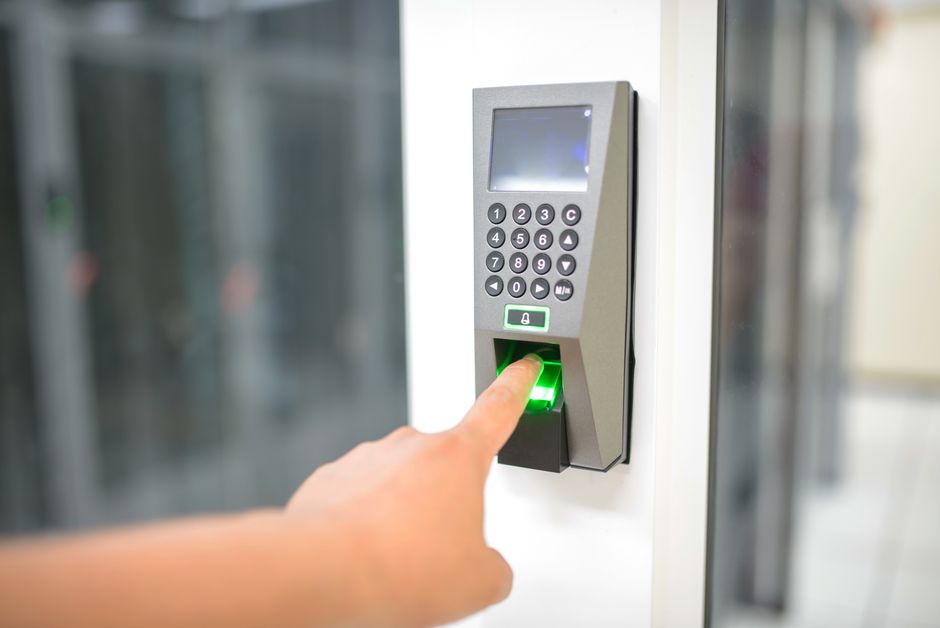
Many modern buildings use electric strikes or magnetic locks on push bar doors. An electric strike is a device in the door frame that releases the latch when it receives an electrical signal. A keypad on the outside controls that signal. If you know the code, you enter it and the door unlocks. You then pull the door open; you do not push the bar.
Magnetic locks work differently. There is no latch at all. An electromagnet in the frame holds the door shut. The keypad cuts power to the magnet, releasing the door. These systems often have a push bar on the inside that also cuts power to the magnet for egress.
If the keypad is not working, check for a hidden key override. Many keypads have a small keyhole underneath or on the side. If you do not have the key or the code, you need the building manager or a locksmith. There is no way to bypass a properly installed electric strike or magnetic lock without the credentials or the right tools.
Emergency Situations And Fire Code
Never break a glass door or force a push bar door open in a non-emergency. This creates a safety hazard and a security breach. In a genuine emergency, such as a fire or a medical situation, property damage may be justified. But understand that push bar doors are designed for one direction of travel. Forcing them the wrong way can damage the panic hardware, making the door unsafe for future emergency exits.
Fire marshals inspect these doors regularly. A damaged push bar is a code violation. If you force a door open, report the damage to the building owner immediately so it can be repaired and inspected.
When To Call A Locksmith
If you cannot find a key cylinder, a keypad, or a way to reach the latch, call a locksmith. A professional can open most push bar doors without damaging the hardware. They use specialized tools like bypass tools, under-the-door tools, or lock picks depending on the lock type.
Locksmiths also handle panic bar keys. If you manage a building, store a spare key in a secure location that is accessible to authorized people only. Do not hide keys outside near the door. That is a security risk that undermines the entire locking system.
Prevention: Plan Ahead
The best way to handle a locked push bar door is to never get locked out. Know what hardware is on your door. Check if it has a key cylinder, a keypad, or an electric strike. Confirm who has keys or codes and where they are stored.
If you own the building, consider installing exterior access control. A keypad or card reader on the outside turns a one-way door into a controlled entry point while preserving the panic bar function for exits. This is a common upgrade for offices, retail stores, and shared buildings. It solves the problem permanently and keeps the door code-compliant.
Frequently Asked Questions
Can you open a push bar door from the outside with a coat hanger?
A coat hanger can sometimes reach a latch bolt if the door has a gap and a simple latch. It will not work on vertical rod doors, deadbolts, or electric strikes.
Do all push bar doors need a key to open from outside?
No. Some have keypads or card readers, and some have no exterior access at all. The hardware determines what you need.
Is it illegal to force open a push bar door?
Forcing a door open is property damage and may be illegal unless you own the building or have permission. In a genuine emergency, damage may be justified, but report it afterward.
What is the little keyhole on a push bar for?
That keyhole is a cylinder that releases the latch from the outside. Turning the key retracts the latch so you can pull the door open.
