
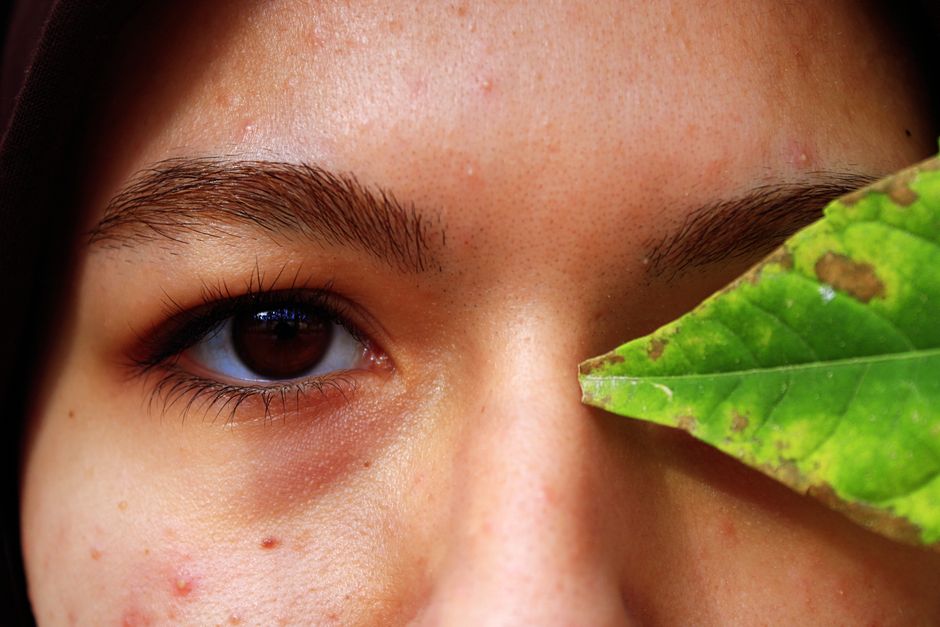
A stye is a small, painful lump that forms on the edge of your eyelid. It looks like a pimple or a boil and is caused by a bacterial infection in an oil gland. The good news is that most styes are harmless and clear up on their own within a week or two. The most effective home treatment is a warm compress applied several times a day, and you should never pop or squeeze the stye.
What Exactly Is a Stye and Why Does It Form?
A stye, medically known as a hordeolum, is an acute infection of the eyelid. It happens when bacteria, usually Staphylococcus aureus, get trapped in an oil gland or a hair follicle at the base of an eyelash. The body’s immune response to this infection causes the area to swell, fill with pus, and become tender.
There are two main types of styes. An external stye forms at the base of an eyelash follicle, appearing on the outer edge of the eyelid. An internal stye forms inside the eyelid on one of the meibomian glands, which produce the oily layer of your tears. Internal styes are often more painful and can take longer to heal.
Styes are incredibly common. They are not caused by poor hygiene alone, though touching your eyes with unwashed hands can increase the risk. Other contributing factors include chronic blepharitis (inflammation of the eyelid margins), hormonal changes, stress, and using old or contaminated eye makeup.
How To Treat Stye Eyelid: The First-Line Home Remedy
The single most effective treatment for a stye is a warm compress. Heat helps in two ways: it encourages the clogged oil gland to drain, and it improves blood circulation to the area, which speeds up healing.
To make a warm compress, soak a clean washcloth in warm water. The water should be comfortably warm to the touch but not scalding. Wring out the excess water and place the cloth over the closed eye for 10 to 15 minutes. You should do this three to five times a day. Many people find that doing this first thing in the morning and last thing at night is easiest to remember.
Consistency matters more than intensity. A single application will not cure a stye. You need to repeat the process for several days to see results. The goal is to soften the blocked gland so it can drain on its own. When the stye finally ruptures, you will see a small amount of pus release. This is normal and often brings immediate pain relief.
What Not To Do: The Golden Rule of Stye Care
Never pop, squeeze, or try to drain a stye yourself. This is the most important piece of advice in this guide.
Squeezing a stye can push the infection deeper into the eyelid tissues. It can also spread the bacteria to other parts of the eye, potentially leading to a more serious condition called preseptal cellulitis, which is an infection of the eyelid and surrounding skin. In rare cases, the infection can spread behind the eye and become orbital cellulitis, a serious medical emergency that requires immediate intravenous antibiotics.
If you pop a stye, you also create an open wound. This can become a portal for additional bacteria, making the infection worse and prolonging your recovery. Let the stye rupture on its own. The warm compresses will help it do this naturally.

Additional Home Care: Hygiene and Comfort Measures
While warm compresses are the core treatment, other steps can help you feel more comfortable and prevent the stye from worsening.
Stop wearing eye makeup until the stye is completely gone. Mascara and eyeliner can introduce more bacteria into the area and delay healing. You should also throw away any eye makeup you used right before the stye appeared, as it may be contaminated.
Avoid wearing contact lenses until the stye has healed. Contacts can irritate the stye and trap bacteria against the eye. If you must wear them, use a fresh pair and clean your lens case thoroughly.
Wash your hands frequently, and do not rub your eyes. Rubbing can irritate the stye and spread bacteria. You can also gently clean your eyelid with a diluted baby shampoo or an over-the-counter eyelid scrub to remove any crusting or debris. Use a clean cotton swab and wipe along the lash line.
Over-the-counter pain relievers like ibuprofen or acetaminophen can help manage pain if the stye is particularly uncomfortable. Follow the dosing instructions on the package.
When To See a Doctor for Your Stye
Most styes resolve without medical treatment. However, there are clear signs that you should see a doctor.
See a doctor if the stye does not improve after 48 hours of consistent warm compresses. Also seek medical advice if the stye grows rapidly, becomes very large, or bleeds. If the pain becomes severe, or if you notice vision changes, you need prompt medical attention.
Redness and swelling that spreads beyond the eyelid margin to the cheek or the other eye is a warning sign of a spreading infection. A fever accompanying the stye is also a reason to seek care. These symptoms may indicate cellulitis, which requires prescription antibiotics.
An ophthalmologist can treat a stubborn stye. They may prescribe antibiotic eye drops or an antibiotic ointment. In some cases, they may perform a minor in-office procedure to drain the stye. This is a quick, safe procedure done under local anesthesia. Do not attempt to do this yourself.
How Long Does a Stye Last?
The typical timeline for a stye is predictable. With regular warm compresses, most styes will come to a head and drain within three to five days. After it drains, the swelling and redness usually subside over the next few days. Most styes are completely resolved within one to two weeks.
If a stye does not drain and the lump persists for more than two or three weeks, it may not be a stye at all. It could be a chalazion, which is a blocked oil gland that is not infected. Chalazia are usually painless and feel like a firm lump. They often require a different treatment approach and may need to be drained by a doctor if they do not shrink on their own.
Internal styes can take longer to heal than external styes because they are deeper in the tissue. Be patient and continue the warm compresses even if you do not see immediate improvement.
Preventing Future Styes
Once you have had a stye, you are more likely to get another one. Good eyelid hygiene is the best prevention.
Always wash your hands before touching your face or eyes. Remove all eye makeup thoroughly every night before bed. Never share eye makeup, and replace your mascara and eyeliner every three months. Bacteria can build up in these products over time.
If you have recurrent styes, you may have blepharitis. This chronic condition causes inflammation of the eyelid margins and makes you prone to styes. Daily eyelid hygiene, including warm compresses and gentle lid scrubs, can help manage blepharitis and reduce the frequency of styes.
Some research suggests that a diet rich in omega-3 fatty acids may improve the quality of the oil produced by the meibomian glands. This could potentially reduce the risk of gland blockages. The evidence is not definitive, but adding foods like salmon, walnuts, or flaxseed to your diet is generally healthy anyway.
Frequently Asked Questions
Can I wear makeup with a stye?
No, you should stop wearing eye makeup until the stye is completely healed. Makeup can introduce more bacteria and slow down the healing process.
Is a stye contagious?
Styes themselves are not contagious like a cold, but the bacteria causing them can be spread to others. Do not share towels, washcloths, or eye makeup, and wash your hands frequently.
Can stress cause a stye?
Stress does not directly cause a stye, but it can weaken your immune system. A weaker immune system may make you more susceptible to bacterial infections like a stye.
Will a stye go away on its own without treatment?
Yes, most styes will resolve on their own within one to two weeks. However, using warm compresses can speed up the process and relieve pain more quickly.
