
A scratched eye is one of the most common eye injuries. It happens fast — a poke from a finger, a stray branch, a piece of dust rubbed in too hard. The medical name is a corneal abrasion. The good news is most scratches heal on their own within a couple of days. The right care protects your vision and prevents infection. The wrong care can turn a minor scratch into a serious problem.
First, do not rub the eye. Rubbing can turn a surface scratch into a deeper wound. Second, do not put anything on the eye that is not sterile. No tap water, no homemade saline, no “natural” rinses. If the eye is painful, red, or sensitive to light, see a doctor promptly. Most abrasions need a professional exam to confirm the damage and rule out a foreign body still lodged in the eye.
What Is A Scratched Eye Exactly?
The cornea is the clear dome at the front of the eye. It has several layers, and the outermost layer is called the epithelium. A corneal abrasion is a scratch on this surface layer. It is essentially a skin scrape on the eye.
The epithelium is packed with nerve endings. That is why even a tiny scratch can hurt intensely. The eye also has a strong reflex to protect itself. You may tear up, squint, or feel like something is still in the eye even after the object is gone. This sensation is normal and does not mean a foreign body remains.
Most abrasions are superficial and heal quickly. Deeper scratches can scar the cornea, which permanently affects vision. That is why the initial assessment matters. A doctor uses a special dye called fluorescein and a blue light to see the scratch clearly. This exam is fast and painless.
What Should You Do Immediately After The Scratch?
The first response shapes how well the eye heals. Stay calm. The eye is resilient, and most scratches resolve without lasting damage.
- Do not rub. Rubbing is the single biggest mistake people make. It can embed debris deeper or turn a superficial scratch into a deeper one.
- Rinse gently. If you have sterile saline or an eyewash solution, use it to flush the eye. This can remove loose particles. Do not use tap water.
- Blink repeatedly. Blinking spreads natural tears across the cornea and helps wash out small debris.
- Pull the upper eyelid over the lower eyelid. This old trick can help dislodge a particle trapped under the upper lid. It works because the lower lashes brush against the inside of the upper lid.
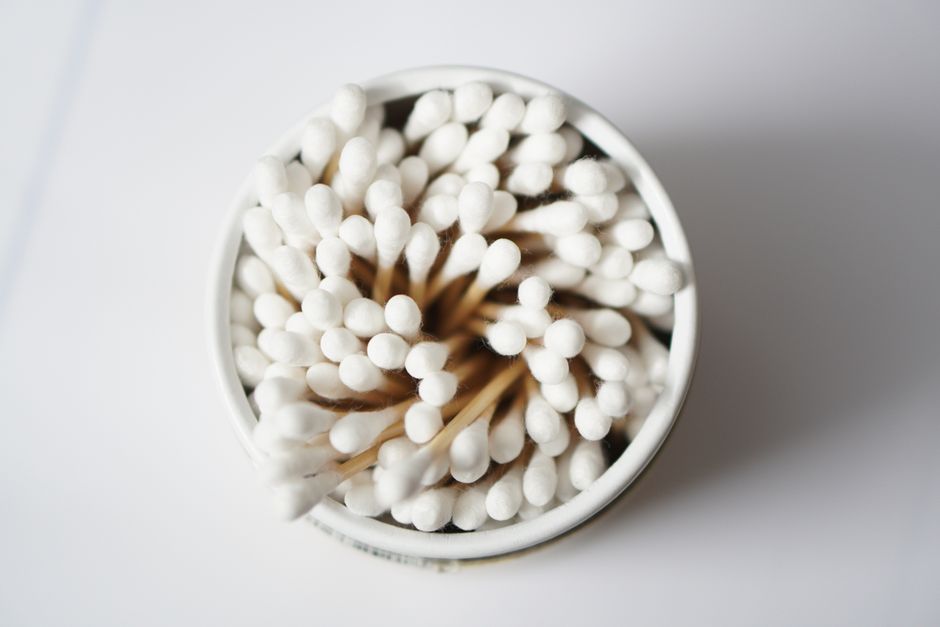
- Do not touch the eye with cotton swabs, tweezers, or any tool. You can push a foreign body deeper or cause additional damage.
If the pain is severe, if vision is blurred, or if you cannot open the eye, go to urgent care or an emergency room. Do not wait to see if it improves on its own.
How To Treat A Scratched Eye: Tips From Clinical Practice
Treatment depends on the size and depth of the scratch. A doctor will examine the eye first. After that, the standard approach is straightforward.
Lubricating drops are the first line of care. Preservative-free artificial tears keep the eye moist and reduce friction as the epithelium heals. Use them frequently during the day. They do not treat the scratch directly; they create the environment the cornea needs to repair itself.
Antibiotic ointment or drops are often prescribed. The cornea is vulnerable to infection while the surface is broken. A bacterial infection in the cornea, called a bacterial keratitis, can cause ulcers and permanent scarring. Antibiotics are preventive, not curative for the scratch itself. Ointment is usually preferred at night because it stays on the eye longer and provides lubrication while you sleep.
Pain relief is a real concern. The eye has dense nerve endings, and the pain can be intense for the first 24 to 48 hours. Over-the-counter oral pain relievers like acetaminophen or ibuprofen are commonly recommended. Do not use numbing drops at home. They are only for in-office use because they slow healing and can mask serious damage.
Eye patching is rarely used now. Older guidelines recommended patching the eye shut for 24 hours. Current evidence shows patching does not speed healing and may increase the risk of infection. Some doctors still use a patch for very large abrasions, but it is no longer routine.





When To See A Doctor For A Scratched Eye
Not every scratch needs a doctor visit. A mild scratch that stops hurting within a few hours and does not affect vision can often be managed with artificial tears. But certain signs mean you need professional care right away.
See a doctor if you have any of the following:
- Pain that lasts more than a few hours or worsens
- Blurred or decreased vision
- Sensitivity to light that does not improve
- A feeling that something is still in the eye after rinsing
- Redness that spreads or increases
- Any discharge from the eye
- A history of contact lens use at the time of the injury
Contact lens wearers need special attention. A scratched cornea combined with a contact lens raises the risk of a serious infection called Pseudomonas keratitis. If you scratch your eye while wearing contacts, remove the lens immediately and do not put it back in. See a doctor the same day.
Do not drive yourself to the doctor if your vision is affected. The pain and tearing can make driving unsafe. Ask someone to take you.
What To Avoid While The Eye Heals
The healing window is short but important. The corneal epithelium typically regenerates within 24 to 72 hours for minor scratches. What you do during this period determines whether healing is smooth or complicated.
Avoid contact lenses. Keep them out until a doctor confirms the eye has healed. Wearing a lens over a healing abrasion traps bacteria and delays repair. This is non-negotiable.
Avoid rubbing the eye. The new epithelium is fragile. Rubbing during the healing phase can dislodge the fresh layer and restart the process. If the eye itches, use artificial tears instead.
Avoid eye makeup. Mascara and eyeliner can introduce bacteria into a healing eye. Skip makeup until the eye feels completely normal and a doctor has cleared you, especially if you were prescribed antibiotic drops.
Avoid swimming. Pools, hot tubs, lakes, and oceans contain microorganisms that can infect a healing cornea. Chlorine does not kill everything. Wait until the eye is fully healed before swimming.
Avoid tap water. Do not rinse the eye with tap water. Tap water contains microbes, including Acanthamoeba, which can cause a severe corneal infection. Use sterile saline or preservative-free artificial tears instead.
How Long Does A Scratched Eye Take To Heal?
Most minor scratches heal within 24 to 72 hours. The surface layer regenerates quickly because the cornea is one of the fastest-healing tissues in the body. Pain usually improves significantly within the first day.
Larger or deeper abrasions take longer. A scratch that extends into the stroma, the thicker middle layer of the cornea, can take one to two weeks to heal. These deeper injuries carry a higher risk of scarring. Scarring can cause permanent blurriness or an irregular corneal surface.
You should feel noticeable improvement within 24 hours. If the eye feels worse the next day, that is a red flag. It could mean an infection is developing or the scratch was deeper than initially thought. Return to a doctor for a follow-up exam.
Follow-up visits matter. Even if the eye feels better, a doctor may want to recheck the eye after a few days to confirm the epithelium has closed completely. This is especially important for contact lens wearers and people with diabetes, who heal more slowly.
Can A Scratched Eye Cause Permanent Damage?
Yes, but permanent damage is the exception, not the rule. Most corneal abrasions heal without any lasting effect on vision. The risks increase with depth, infection, and delayed treatment.
Recurrent corneal erosion is a complication worth knowing about. Sometimes the new epithelium does not attach firmly to the layer beneath it. Months or years later, the epithelium can peel off spontaneously, often upon waking when the eyelid sticks to the cornea. This causes sudden pain and blurred vision. People who have had a corneal abrasion have a higher risk of this condition, though it is still uncommon.
Infection is the most serious complication. A bacterial infection in the cornea can cause an ulcer, which looks like a white spot on the eye. Corneal ulcers are medical emergencies. They can perforate the eye and cause permanent vision loss if not treated aggressively.
The takeaway is simple: treat the scratch seriously in the first few days, follow the doctor’s instructions, and return for a recheck if symptoms do not improve. Most people heal completely, but the ones who do not are usually the ones who waited too long or rubbed the eye.
Frequently Asked Questions
Can I put water in my eye to rinse out a scratch?
No, do not use tap water to rinse a scratched eye. Tap water contains microbes that can infect a healing cornea; use sterile saline or preservative-free artificial tears instead.
Should I wear an eye patch for a scratched cornea?
No, eye patching is rarely recommended anymore. Current evidence shows patching does not speed healing and may increase the risk of infection, so most doctors advise against it.
Can I sleep with my contact lenses in after scratching my eye?
No, remove contact lenses immediately after a scratch and keep them out until a doctor confirms the eye has healed. Wearing a lens over a healing abrasion traps bacteria and delays repair.
How do I know if my scratched eye is infected?
Signs of infection include worsening pain after the first day, increasing redness, discharge, or a white spot on the cornea. See a doctor immediately if you notice any of these symptoms.
