
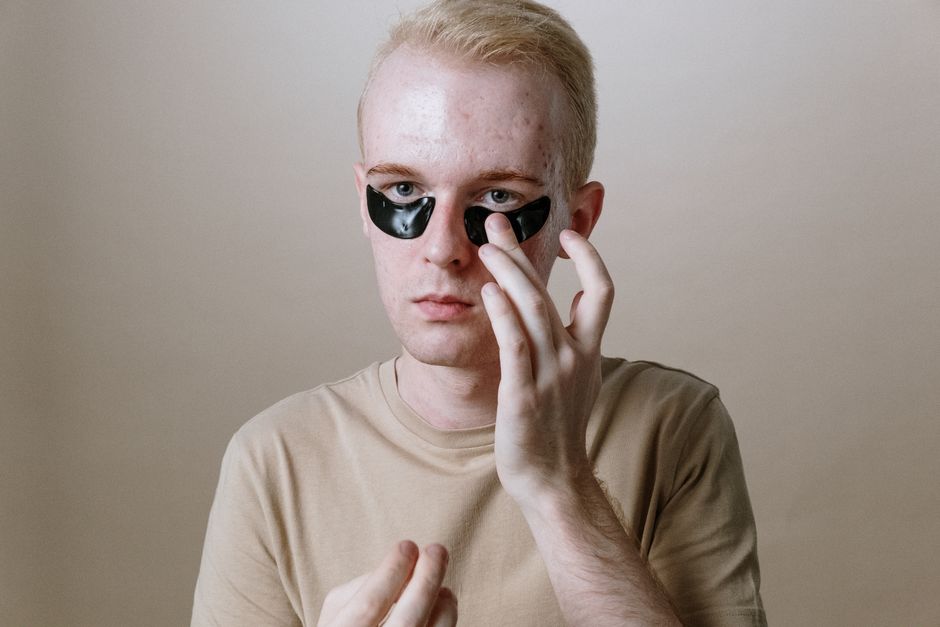
A tretinoin burn is a chemical irritation of the skin caused by the medication itself, not a heat burn. The first step is to stop applying tretinoin right away. Then simplify your routine to gentle cleansing, a plain moisturizer, and daily sunscreen while the skin barrier repairs. Most irritation from tretinoin improves within one to two weeks once the triggering frequency or strength is reduced, though a true burn with blistering or raw, oozing skin needs a doctor’s care.
What Is a Tretinoin Burn, Exactly?
Tretinoin is a prescription retinoid used for acne and for photoaging. It works by speeding up how quickly skin cells turn over and by changing how the outer layer of skin matures. That accelerated turnover is the whole point of the drug, but it also means the outermost skin layer gets thinner and more fragile before it stabilizes.
When people say “tretinoin burn,” they usually mean one of two things. The first is retinoid dermatitis — redness, peeling, stinging, and tightness that comes from using too much, too often, or on skin that was not ready for it. The second, less common situation is a genuine irritant reaction severe enough to damage the skin barrier, causing raw patches, crusting, or blisters.
Neither is a thermal burn. You cannot “burn” your skin with tretinoin the way you would with an iron or hot water. The damage is chemical and inflammatory. That distinction matters because it changes what helps. Cooling a heat burn and calming a chemical irritation overlap somewhat, but the recovery plan is different.
Why Does Tretinoin Cause Burning and Peeling?
The burning is a direct result of how retinoids affect the skin barrier. Tretinoin thins the stratum corneum, the outermost protective layer, and disrupts the lipids and proteins that hold it together. When that barrier is compromised, water escapes more easily and irritants get in more easily. The result is stinging, redness, flaking, and a sensation that many people describe as burning.
Several things make this worse:
- Applying too much product — a pea-sized amount covers the whole face for most people
- Using it every night from the start instead of building up slowly
- Layering it with other active ingredients like benzoyl peroxide, salicylic acid, or glycolic acid
- Applying it to damp skin, which increases penetration and irritation
- Using it alongside harsh cleansers, scrubs, or alcohol-based toners
- Starting at a high concentration when a lower one would work
Sun exposure is a separate factor. Tretinoin makes skin more sensitive to ultraviolet light, so unprotected sun exposure can worsen redness and increase the risk of irritation. This is why daily sunscreen is not optional during tretinoin use.
One point that gets lost: some peeling and flaking in the first weeks is expected and is not the same as a burn. The goal is to distinguish normal adjustment from a barrier that has been pushed too far.
How To Treat A Tretinoin Burn And Heal Your Skin
Stop the tretinoin. This is the single most important step and it is not negotiable while the skin is actively irritated. Continuing to apply it “to push through” is the most common reason irritation gets worse instead of better.
Once you have stopped, the plan is to do less, not more. The skin barrier repairs itself when it is not being challenged. Here is what that looks like:
- Cleanse gently. Use lukewarm water and a mild, fragrance-free cleanser, or just water if your skin stings. Skip scrubs, brushes, and anything exfoliating.
- Moisturize often. A plain, fragrance-free moisturizer — ideally one with ceramides, glycerin, or hyaluronic acid — helps replace what the barrier is missing. Apply it while skin is still slightly damp.
- Protect from the sun. Use a broad-spectrum sunscreen with SPF 30 or higher. If sunscreen stings, a mineral formula with zinc oxide or titanium dioxide is often better tolerated during irritation.
- Pause all other actives. No retinoids, no acids, no benzoyl peroxide, no vitamin C serums, no exfoliants until the skin is calm.
- Skip hot showers and harsh environments. Heat, wind, and dry indoor air all pull moisture from compromised skin.
Over-the-counter hydrocortisone is sometimes used short-term to calm inflammation, but it should not be used on the face for more than a few days without medical guidance, because prolonged use can thin the skin. If you are considering it, ask a clinician or pharmacist first.
Do not pick at peeling skin. Peeling that you pull off can take healthy skin with it and open the door to infection.





How Long Does a Tretinoin Burn Take To Heal?
Mild irritation usually settles within a week to two weeks after stopping the medication. More significant barrier damage can take several weeks to fully recover, and the skin may remain sensitive for longer than it looks red.
Healing time depends on how badly the barrier was disrupted, how much product was being used, and how aggressively the skin is being treated during recovery. Adding more products during healing tends to slow things down rather than speed them up.
This is where honest expectations matter. There is no product that repairs a damaged skin barrier overnight. Moisturizers support the repair process; they do not replace it. The skin does the healing on its own timeline.
When Should You See a Doctor?
Most tretinoin irritation can be managed at home by stopping the product and simplifying your routine. Some situations need medical care:
- Blisters, open sores, or skin that is weeping or crusting
- Signs of infection — increasing pain, warmth, pus, or spreading redness
- Swelling around the eyes, lips, or mouth
- Irritation that is getting worse rather than better after several days off the product
- Severe pain or a reaction that spreads beyond where you applied the tretinoin
A doctor can assess whether what you are dealing with is irritant contact dermatitis, an allergic reaction, or something else entirely. These can look similar but are managed differently. Do not assume the cause on your own if the reaction is severe or unusual.
How Do You Restart Tretinoin Without Burning Again?
Wait until the skin is fully calm — no redness, no stinging, no flaking — before restarting. Going back too soon is the most common reason people get stuck in a cycle of irritation.
When you do restart, go slower than before:
- Use a pea-sized amount for the entire face
- Start with two or three nights per week, not every night
- Apply to completely dry skin
- Consider the “sandwich” method — moisturizer, then tretinoin, then moisturizer again — which some clinicians recommend to reduce irritation
- Ask your prescriber whether a lower concentration or a different formulation might suit your skin better
Increase frequency only when your skin has tolerated the current schedule for a few weeks without irritation. The adjustment period for tretinoin is measured in months, not days. Most people who stick with a slow ramp-up eventually tolerate it well.
If you keep reacting even at low frequency, that is worth a conversation with your prescriber. Tretinoin is not the only option, and some skin types simply do not tolerate it.
Frequently Asked Questions
Should I stop using tretinoin if my skin is burning?
Yes. Stop applying tretinoin as soon as you notice burning, stinging, or significant peeling. Continuing to use it while the skin barrier is irritated usually makes the reaction worse.
Can I put hydrocortisone on a tretinoin burn?
Some clinicians suggest short-term over-the-counter hydrocortisone to calm inflammation, but it should not be used on the face for more than a few days without medical guidance. Prolonged use can thin the skin.
How long does it take for a tretinoin burn to heal?
Mild irritation typically improves within one to two weeks after stopping the product. More significant barrier damage can take several weeks, and the skin may stay sensitive even after the redness fades.
Can I use moisturizer on a tretinoin burn?
Yes, and you should. A plain, fragrance-free moisturizer with ceramides or glycerin helps support barrier repair. Apply it to slightly damp skin and reapply as often as needed.
