
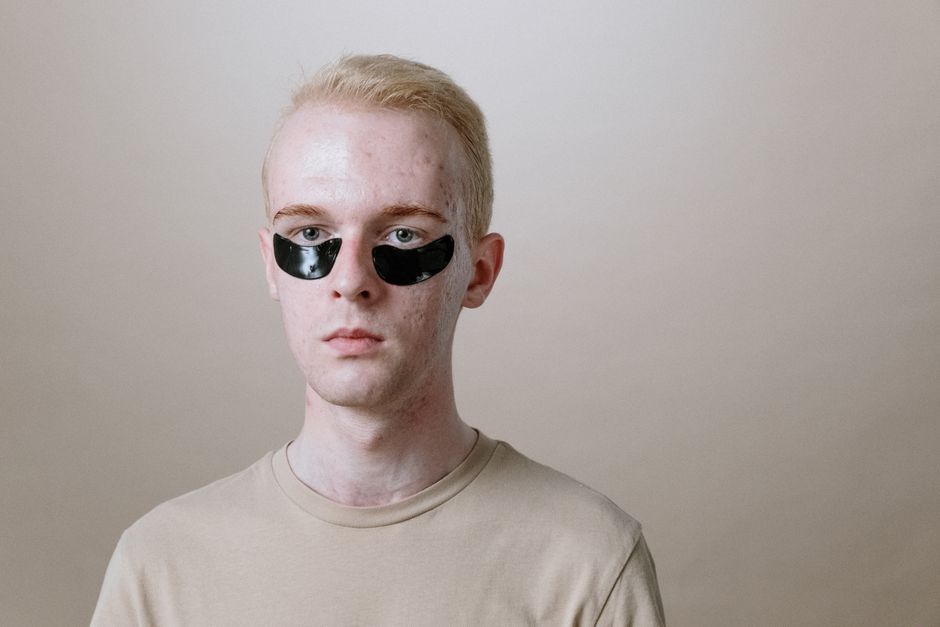
Forehead pimples are one of the most common acne complaints. They sit right in your eyeline, and they are often stubborn. The good news is that forehead acne responds well to simple changes in your routine. Treatment starts with switching to a gentle cleanser and a non-comedogenic moisturizer. Prevention depends on identifying what is touching your skin and clearing away excess oil without stripping it dry.
Why Do Pimples Form On The Forehead?
Your forehead is part of the T-zone, which produces more oil than the rest of your face. Pores here are active, and they fill with sebum, dead skin cells, and sometimes bacteria. When that mixture plugs the pore, you get a pimple.
Because the forehead is exposed to hair, hats, and sweat more than other areas, it picks up irritants that other parts of the face do not. The skin here is also thinner than on the cheeks, which makes it more sensitive to heavy products.
How To Treat Pimples On Forehead And Prevent Them?
The fastest way to treat a forehead pimple is with a spot treatment containing benzoyl peroxide or salicylic acid. Benzoyl peroxide kills the bacteria that cause inflamed pimples. Salicylic acid dissolves the dead skin cells inside the pore. Use one product, not both at once, to avoid irritation.
Apply the spot treatment only to the pimple, not the whole forehead. Let it dry before applying moisturizer. You should see improvement within a few days. If the pimple is deep, painful, and does not come to a head, do not squeeze it. A dermatologist can inject it with a steroid to reduce swelling quickly.
Prevention is a daily job. Wash your face twice a day with a gentle cleanser. After exercise, rinse your forehead with water or a mild cleanser to remove sweat. Sweat itself does not cause acne, but it mixes with oil and dead skin, which can clog pores.
Which Skincare Products Work For Forehead Acne?
Look for the words non-comedogenic on moisturizers and sunscreens. This means the product is formulated to not block pores. Even if a product is labeled non-comedogenic, your skin may still react, so patch test a new product on your jawline for a few days before applying it to your forehead.
Cleansers with salicylic acid are helpful for daily prevention. They keep pores clear before a pimple forms. If you have sensitive skin, use a salicylic acid cleanser every other day instead of daily.
Moisturizer matters even if your forehead is oily. When skin is dehydrated, it produces more oil to compensate. A lightweight, oil-free moisturizer keeps the barrier healthy without adding grease.
Sunscreen is not optional. Many acne treatments make skin more sensitive to sunlight, and sunburn on a healing pimple can cause dark spots that last for months. Choose a gel-based or matte sunscreen designed for oily skin.




What Habits Are Causing Your Forehead Breakouts?
Look at what touches your forehead throughout the day. Phone screens, hands, and hair are the usual suspects. Your phone collects oil and bacteria, and holding it against your forehead transfers both. Clean your screen daily and use speakerphone or earbuds when possible.
Hair products are a common hidden cause. Gels, pomades, and dry shampoos often contain oils and silicones that migrate onto the forehead and clog pores. This is called pomade acne. If you use styling products, keep them off your skin and wash your hair regularly.
Hats and headbands trap sweat and oil against the skin. Wash them frequently, or at least let them dry completely between uses. Sleeping on a dirty pillowcase is another repeat offender. Change pillowcases at least once a week.
Do not pick or pop pimples. Picking pushes bacteria deeper into the skin and increases the chance of scarring. It also makes a pimple last longer. Let it run its course or treat it with a spot treatment.
When Should You See A Dermatologist?
If over-the-counter products have not improved your forehead acne after eight to twelve weeks, see a dermatologist. Persistent acne may need prescription treatments that work differently than store-bought options.
Dermatologists can prescribe topical retinoids, which speed up cell turnover and keep pores clear. They may also recommend antibiotics for inflamed acne or hormonal treatments for adult women. These options are backed by strong clinical evidence and are tailored to your specific skin type.
See a doctor sooner if you have deep, painful nodules or cysts. These are at high risk for scarring, and early treatment reduces that risk. Also see a doctor if your acne is leaving dark marks or scars, because waiting makes them harder to treat.
Can Diet Affect Forehead Pimples?
The link between diet and acne is real, but it is not the same for everyone. High-glycemic foods like white bread, sugary drinks, and refined snacks can raise blood sugar quickly, which triggers insulin and may increase oil production. Some studies suggest that reducing these foods helps some people with acne.
Dairy is more controversial. Some research shows a link between skim milk and acne, but the evidence is not strong enough to tell everyone to cut out dairy. The practical approach is to track your breakouts for a few weeks. If you notice a pattern after eating certain foods, try removing them for a month and see if your skin changes.
Do not fall for the myth that chocolate causes acne. Dark chocolate in moderate amounts has not been proven to cause breakouts. The sugar and milk in chocolate bars are more likely culprits than the cocoa itself.
Drinking water does not directly cure acne, but staying hydrated supports overall skin health. No specific diet cures acne, and anyone claiming a single food is the answer is oversimplifying.
Is It Acne Or Something Else?
Not every bump on your forehead is a pimple. Keratosis pilaris causes small, rough bumps that look like goosebumps and are often mistaken for acne. It is caused by a buildup of keratin blocking hair follicles, and it does not respond to acne treatments the same way.
Contact dermatitis from a new hair product or skincare item can cause red, itchy bumps that resemble acne. Unlike acne, these usually itch and appear quickly after using a new product.
Milia are tiny white cysts that look like small whiteheads but are hard and do not pop. They are keratin-filled and require professional extraction if they bother you.
If your bumps do not respond to acne treatment and you are unsure what they are, see a dermatologist for an accurate diagnosis. Treating the wrong condition wastes time and can irritate your skin.
How Long Does It Take To Clear Forehead Acne?
Individual pimples typically heal in five to seven days if left alone. With a spot treatment, they may resolve faster. But clearing the overall pattern of forehead acne takes longer.
Most people see noticeable improvement within six to eight weeks of starting a consistent skincare routine. Full clearing can take three months or more. Acne treatments work slowly because they change how your skin cells behave, and that process takes time.
Do not switch products every week. Give a routine at least eight weeks before judging whether it works. Constantly changing products irritates the skin and makes acne worse.
Frequently Asked Questions
What is the fastest way to get rid of a forehead pimple?
A spot treatment with benzoyl peroxide or salicylic acid applied directly to the pimple is the fastest over-the-counter option. For a deep, painful pimple, a dermatologist can inject it with a steroid for rapid relief.
Can stress cause forehead pimples?
Stress does not directly cause pimples, but it increases cortisol, which can boost oil production and make existing acne worse. Managing stress may help, but it is not a standalone treatment for acne.
Is toothpaste safe to put on a pimple?
No, toothpaste is not a safe acne treatment. It contains ingredients that irritate the skin and can cause burns or dark spots, especially on the thinner skin of the forehead.
Should I moisturize my forehead if it is oily?
Yes, you should moisturize even oily skin. Skipping moisturizer can dehydrate the skin, which triggers more oil production and more clogged pores.
