
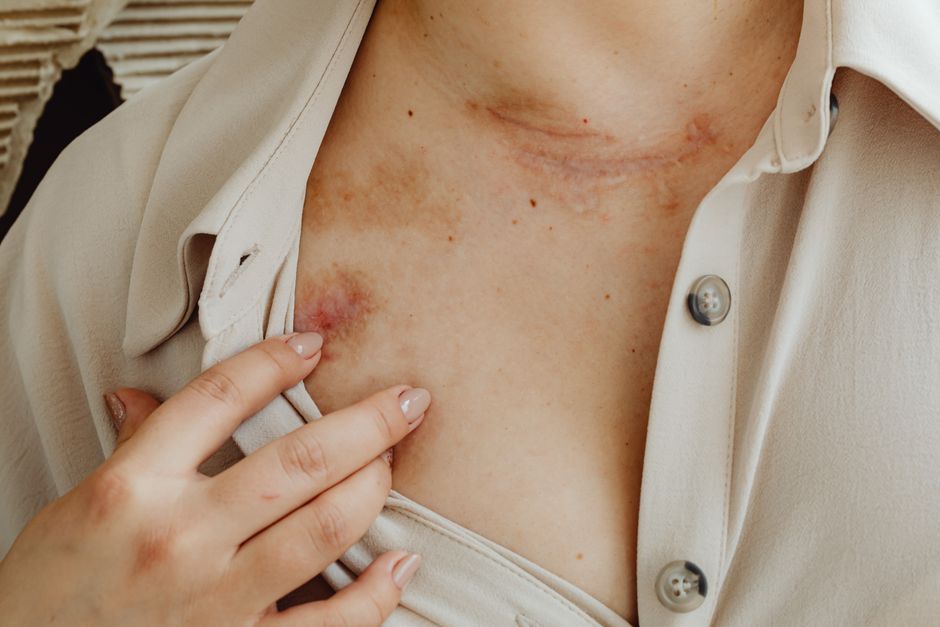
Bug bites are annoying. The itching, the swelling, the redness — and sometimes, they leave marks that last long after the bite itself has healed. The good news is that most bug bite marks are not true scars. They are usually patches of hyperpigmentation left behind by inflammation. With the right care, you can fade these marks and reduce the risk of new ones forming. Healing starts with not scratching, protecting the area from the sun, and using targeted skincare ingredients that support skin repair.
Why Do Bug Bites Leave Marks?
Most marks left by bug bites are not scars in the medical sense. A true scar forms when the skin’s deeper layer, the dermis, is damaged. Bug bites rarely damage that deep. What you are seeing is usually a response called post-inflammatory hyperpigmentation (PIH).
When a mosquito, flea, or other insect bites you, your immune system sends white blood cells to the area. This causes inflammation. That inflammation triggers your skin’s pigment-producing cells, called melanocytes, to go into overdrive. They produce extra melanin, darkening the skin where the bite was.
This is why the mark is flat and brown rather than raised and thick. It is not a scar. It is a temporary color change. In people with darker skin tones, these marks tend to be more noticeable and can take longer to fade. In people with lighter skin, the mark may appear pink or red at first, then fade to a light brown.
How To Heal Bug Bite Scars And Prevent New Ones?
The single most effective step is to stop scratching. Scratching damages the skin barrier and increases inflammation. More inflammation means more pigment production and a higher chance of a lasting mark. It also opens the skin to bacterial infection, which can cause a true scar.
To heal existing marks, focus on two things: fading pigment and supporting skin cell turnover. Sunscreen is the most critical product you can use. UV light darkens hyperpigmentation and slows the skin’s natural healing process. Apply a broad-spectrum sunscreen with SPF 30 or higher to any bite mark that is exposed to daylight.
For the mark itself, topical ingredients with evidence behind them include:
- Niacinamide — A form of vitamin B3 that reduces pigment transfer to skin cells. Studies show it is effective for hyperpigmentation and is well tolerated by most skin types.
- Vitamin C (L-ascorbic acid) — An antioxidant that inhibits melanin production. It also supports collagen synthesis, which helps overall skin repair.
- Alpha hydroxy acids (AHAs) — Glycolic acid and lactic acid gently exfoliate the top layer of skin. Over time, this fades surface pigment.
- Retinoids — Over-the-counter retinol or prescription retinoids speed up cell turnover. This pushes pigmented cells to the surface faster, where they are shed.
Apply these products consistently for 8 to 12 weeks before expecting visible change. Pigment fading is slow. The mark will not disappear overnight, and no product will erase it in a week.
How Long Do Bug Bite Marks Take To Fade?
There is no single timeline that applies to everyone. Skin tone, bite severity, sun exposure, and whether you scratched all influence healing time. In general, post-inflammatory hyperpigmentation from a bug bite fades within 3 to 6 months with consistent care.
Some marks fade faster. Others linger for a year or more, especially if the bite was severe or the skin was repeatedly scratched. If the mark is still present after 12 months of good sun protection and topical treatment, it may be worth consulting a dermatologist.
True scars from bug bites are less common. They happen when a bite becomes infected or is scratched so deeply that the dermis is injured. These appear as raised, firm, or pitted areas rather than flat color changes. If you have a raised mark that persists, a dermatologist can offer treatment options such as silicone gel sheets or corticosteroid injections.
What Not To Do When Treating Bug Bite Marks
Avoid harsh treatments that promise rapid results. Lemon juice, toothpaste, and undiluted essential oils are popular home remedies online, but no clinical evidence supports them for fading marks. These substances can irritate the skin, increase inflammation, and make the pigmentation worse.
Avoid scrubbing the area aggressively. Physical exfoliation with rough scrubs can damage the skin barrier and delay healing. Gentle chemical exfoliation with an AHA is safer and more effective.
Do not pick at scabs. If a bite has crusted over, let the scab fall off naturally. Picking it off interrupts the healing process and significantly raises the risk of a true scar.
If a bite becomes infected, treat the infection first. Signs of infection include increasing redness, warmth, swelling, pain, or yellow discharge. Infected bites require medical attention. Do not apply pigment-fading products to broken or infected skin.
How To Prevent New Bug Bites And New Marks
Prevention is more effective than treatment. Avoiding bites in the first place means fewer marks to fade. Use an EPA-registered insect repellent when outdoors, especially during dawn and dusk when mosquitoes are most active.
Wear long sleeves and pants in areas with heavy insect activity. Treat clothing with permethrin if you spend significant time in wooded or grassy areas. Remove standing water around your home, as it is a breeding ground for mosquitoes.
When a bite does happen, act quickly. Wash the area with mild soap and water. Apply a cold compress to reduce swelling. Use an over-the-counter hydrocortisone cream or an oral antihistamine to control itching. The faster you control inflammation, the less pigment your skin will produce.
Keep your nails short. If you cannot stop scratching, covering the bite with a bandage or clothing adds a physical barrier. Some people find that pressing on the bite rather than scratching satisfies the urge without damaging the skin.
When To See A Dermatologist
Most bug bite marks do not require a doctor. But some situations warrant professional input. If the mark is not fading after a year of consistent care, a dermatologist can offer stronger treatments.
Prescription options include higher-strength retinoids, hydroquinone for stubborn pigmentation, or laser therapy. These treatments carry their own risks and should be discussed with a clinician. Never use prescription-strength pigment lighteners without medical supervision.
See a doctor sooner if you suspect an infection, if the bite is accompanied by fever or body aches, or if you have a known severe allergy to insect bites. Anaphylaxis is a medical emergency requiring immediate attention.
If you are pregnant or breastfeeding, check with your doctor before starting new topical skincare ingredients. Retinoids, in particular, are not recommended during pregnancy. No clinical guidelines currently exist for the safety of most pigment-fading ingredients in pregnant or nursing women, so professional guidance is essential.
Frequently Asked Questions
Can toothpaste fade bug bite scars?
No. Toothpaste is not formulated for skin and can cause irritation and dryness. No clinical evidence supports its use for fading marks, and irritation can make pigmentation worse.
Does sunscreen really help bug bite marks fade?
Yes. UV exposure darkens hyperpigmentation and slows skin healing. Daily use of SPF 30 or higher on the affected area gives the skin its best chance to fade the mark naturally.
Are bug bite marks permanent?
No. The vast majority are post-inflammatory hyperpigmentation, which fades over months with sun protection and consistent skincare. True permanent scars are rare and usually result from infection or deep scratching.
Can I use retinol on a fresh bug bite?
No. Wait until the bite has fully healed and any scab has fallen off. Retinol on broken skin causes irritation and can worsen inflammation.
