
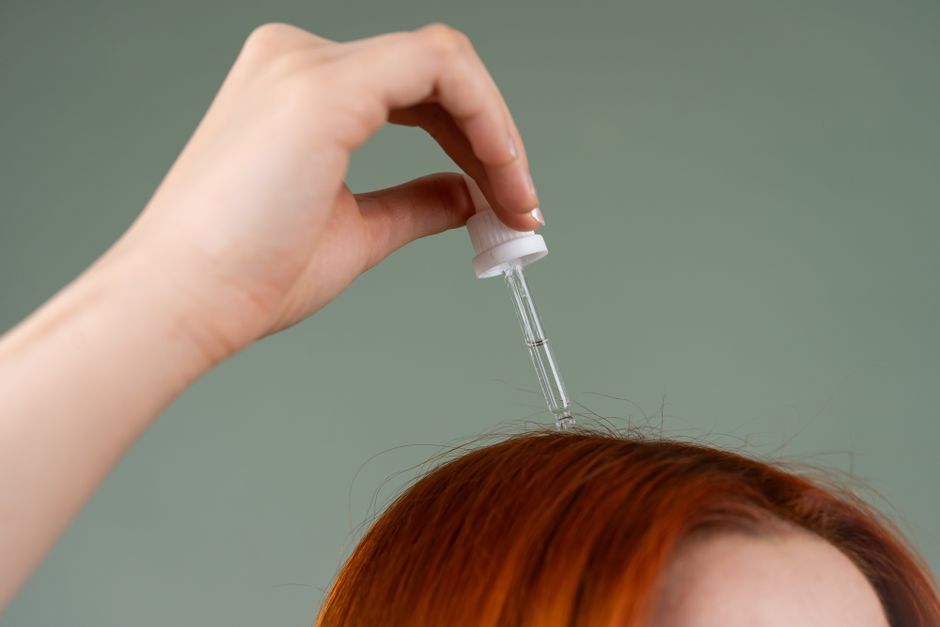
An oily scalp happens when your sebaceous glands produce too much sebum, the natural oil that protects your skin and hair. While some oil is healthy, excess oil can leave hair looking greasy, flat, and weighed down within hours of washing. The good news is that this condition is manageable with the right shampoo, a few diet adjustments, and consistent hair care habits. Treatment usually starts with a gentle clarifying shampoo, washing your hair more frequently, and avoiding heavy styling products.
What Causes an Oily Scalp in the First Place?
Your scalp has hundreds of oil glands. Their job is to keep your skin moisturized and your hair conditioned. When those glands go into overdrive, you get an oily scalp.
Hormones are the biggest driver. Androgens, a group of hormones that includes testosterone, signal your oil glands to produce more sebum. This is why oily scalp often peaks during puberty, around menstrual cycles, and during times of hormonal change. Genetics also plays a role. If your parents had oily skin or hair, you are more likely to as well.
Some habits can make the problem worse. Over-washing can strip the scalp of its natural oils, which triggers a rebound effect where the glands produce even more oil to compensate. Using heavy conditioners or styling creams directly on the scalp can also clog pores and trap oil. Stress and certain medications can shift your hormone balance, too.
How To Treat Oily Scalp Shampoo Diet And More: Choosing the Right Shampoo
The most direct way to manage an oily scalp is with the right shampoo. Look for products labeled “clarifying,” “balancing,” or “for oily hair.” These formulas contain stronger cleansing agents that break down and remove excess sebum more effectively than gentle daily shampoos.
Ingredients matter. Shampoos with salicylic acid help exfoliate the scalp and clear away dead skin cells that can mix with oil. Tea tree oil has natural antimicrobial properties that may reduce the bacteria that thrive in oily environments. Zinc pyrithione is another common ingredient found in dandruff shampoos that can help regulate oil production.
How often should you wash? Most people with oily scalps need to shampoo daily or every other day. Skipping washes allows oil to build up, which can lead to clogged hair follicles and even scalp acne. If your hair feels dry at the ends but your scalp is oily, focus the shampoo on your roots and apply conditioner only to the middle and ends of your hair.
When applying shampoo, massage it into your scalp with your fingertips for at least one full minute. This gives the cleansing agents time to break up the oil. Rinse thoroughly. Leftover shampoo residue can irritate the scalp and make oil production worse.
Can Your Diet Reduce Scalp Oil?
Diet plays a smaller role than many people think, but it does matter. The evidence is not strong enough to promise that any single food will cure an oily scalp. However, some research suggests that certain eating patterns may influence sebum production.
Foods with a high glycemic index — think white bread, sugary drinks, and processed snacks — cause rapid spikes in blood sugar. These spikes trigger an insulin response that can stimulate oil gland activity. Some studies have found that people who eat more high-glycemic foods tend to have oilier skin. The connection is not definitive, but reducing refined sugars and processed carbohydrates is a reasonable step for overall skin health.
Zinc and B vitamins are worth attention. Zinc plays a role in skin health and wound healing, and some research links zinc deficiency with skin issues. Good sources include oysters, beef, pumpkin seeds, and lentils. B vitamins, particularly B2, B3, and B6, are involved in skin cell turnover and hormone regulation. You can find them in eggs, poultry, leafy greens, and whole grains.
Omega-3 fatty acids, found in fatty fish like salmon and in walnuts and flaxseed, have anti-inflammatory properties. Chronic inflammation can affect skin health, though the direct link between omega-3 intake and scalp oil production has not been firmly established in clinical trials.
Stay hydrated. Dehydration can make your skin produce more oil in an attempt to compensate for lack of moisture. Drinking enough water throughout the day is a simple, low-risk habit that supports skin health generally.





Daily Habits That Help Control Oil Production
Your washing routine matters, but so do the things you do between washes. Several everyday habits can either help or hurt your efforts to control scalp oil.
Stop touching your hair. Your fingers carry oils, dirt, and bacteria from everything you touch. Running your hands through your hair transfers that buildup directly to your scalp. The more you touch, the faster your hair gets greasy.
Brush your hair less often. Brushing distributes oil from your scalp down the hair shaft. If you have an oily scalp, this works against you. Brush only to detangle, and clean your brush weekly to remove accumulated oil and product residue.
Wash your pillowcases regularly. Your pillowcase absorbs oil, dead skin cells, and hair products every night. Sleeping on a dirty pillowcase transfers all of that back onto your scalp. Change your pillowcase at least once a week, ideally every few days if your scalp is very oily.
Be careful with dry shampoo. Dry shampoo can absorb excess oil and extend time between washes, but it is not a treatment. It does not remove oil. It masks it. Overusing dry shampoo can build up on the scalp, clog hair follicles, and lead to irritation. Use it occasionally, not as a daily substitute for washing.
Check your styling products. Gels, pomades, waxes, and heavy creams can all contribute to scalp buildup. If you use these products, apply them sparingly and keep them away from your scalp. Look for water-based products labeled “non-comedogenic” or “won’t clog pores.”
When To See a Dermatologist
Most oily scalps respond well to consistent shampooing and habit changes. But sometimes the problem is more than just excess oil. If you notice any of the following, it is worth seeing a dermatologist:
- Severe flaking or crusting on the scalp
- Itching, redness, or tenderness
- Hair thinning or patches of hair loss
- Acne or painful bumps on the scalp
- Oily scalp that does not improve after several weeks of consistent care
These symptoms can point to conditions beyond simple oiliness. Seborrheic dermatitis is a common inflammatory skin condition that causes oily, yellowish flakes and redness. It requires specific medicated treatments, not just a clarifying shampoo. Fungal infections can also cause scalp irritation and changes in oil production. A dermatologist can examine your scalp and determine the actual cause.
Prescription treatments are available for stubborn cases. Topical solutions containing ketoconazole, an antifungal agent, can help when seborrheic dermatitis is involved. Other prescription foams and lotions can regulate oil production or reduce inflammation. These require a doctor’s evaluation first.
Myths About Oily Scalp That Need Clearing Up
Several popular ideas about oily scalp are not supported by evidence. Being clear about what does not work can save you time and frustration.
Myth: Washing less often will train your scalp to produce less oil. This is one of the most persistent myths. The idea is that stripping oil makes your glands work harder, so if you stop washing, they will calm down. There is no clinical evidence that your oil glands can be “trained” this way. Oil production is driven by hormones and genetics, not by how often you wash. Skipping washes just means more oil sits on your scalp.
Myth: Apple cider vinegar rinses cure oily scalp. Some people dilute apple cider vinegar and use it as a rinse, claiming it balances scalp pH and reduces oil. While vinegar is acidic and may temporarily alter the scalp’s pH, no clinical studies confirm that this reduces oil production long-term. It can also irritate the scalp if used too concentrated.
Myth: Oily scalp means you have poor hygiene. An oily scalp is a biological condition, not a cleanliness issue. Some people can skip washing for days and have balanced hair. Others wash every day and still produce excess oil. Hygiene habits influence buildup, but they do not determine your baseline oil production.
Frequently Asked Questions
How often should I wash my hair if I have an oily scalp?
Most people with oily scalps need to shampoo daily or every other day. Washing less frequently allows oil to accumulate, which can worsen the problem.
Does dry shampoo help treat an oily scalp?
Dry shampoo absorbs visible oil but does not remove it or treat the underlying cause. It is a temporary fix, not a treatment, and overuse can lead to product buildup on the scalp.
Can stress make my scalp oilier?
Yes. Stress triggers the release of cortisol and other hormones that can stimulate your oil glands. Managing stress through exercise, sleep, or relaxation techniques may help reduce excess oil production.
Is it safe to wash my hair every day?
Yes, for most people with oily scalps. Daily washing with a gentle or clarifying shampoo is safe and effective. If your hair ends feel dry, apply conditioner only to the lengths and ends, not the scalp.
