
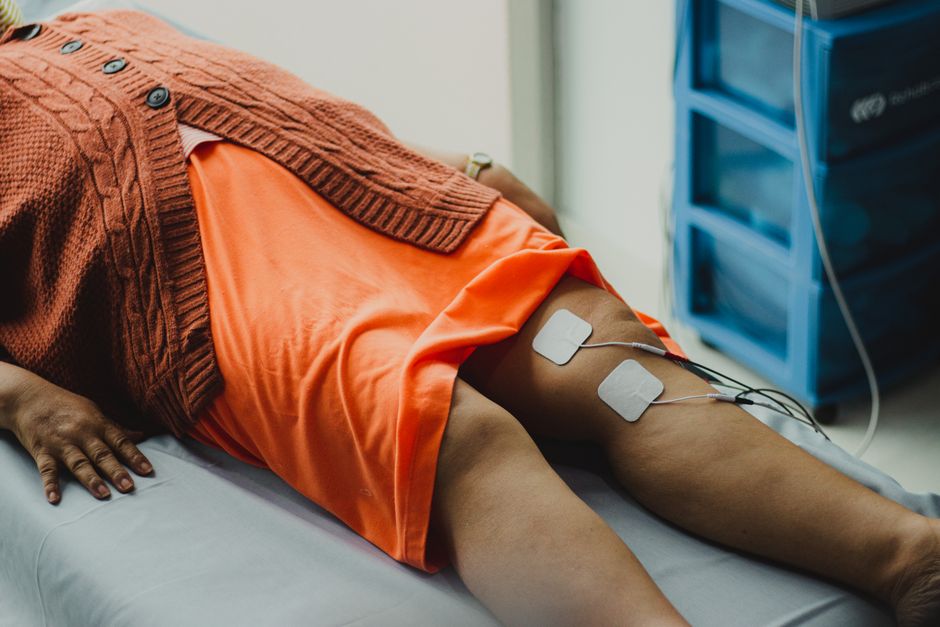
Treating nerve pain effectively requires a combination approach: medications that target nerve signals directly, physical therapy to retrain how your brain processes pain, and lifestyle changes that reduce inflammation. The best treatment plan is personalized and often takes weeks to show full results.
Nerve pain feels different from other pain. It can burn, tingle, or feel like electric shocks. You might have numbness or sensitivity to things that should not hurt, like a light touch or cool air. This type of pain is frustrating because it often does not respond to common pain relievers like ibuprofen or acetaminophen. Understanding what actually works can save you months of trial and error.
What Causes Nerve Pain in the First Place?
Nerve pain starts when nerves are damaged or not working correctly. This damage can come from many sources. Diabetes is one of the most common causes, leading to peripheral neuropathy in the hands and feet. Shingles, also called herpes zoster, can cause postherpetic neuralgia that lasts long after the rash clears.
Other causes include compressed nerves from herniated discs in the spine, chemotherapy drugs, alcohol abuse, vitamin B12 deficiency, and autoimmune diseases like multiple sclerosis. Sometimes the cause is never found, which doctors call idiopathic neuropathy.
Research shows that when a nerve is damaged, it starts sending faulty signals to the brain. The brain interprets these signals as pain even when no tissue damage is happening. This is why nerve pain can feel so real and intense without an obvious injury.
Understanding the cause matters for treatment. For example, if a vitamin deficiency is causing your nerve pain, supplements can help. If diabetes is the cause, controlling blood sugar becomes a key part of treatment.
What Medications Actually Help Treat Nerve Pain?
Several medications have strong evidence for treating nerve pain. These are different from standard painkillers. Gabapentin and pregabalin are two of the most commonly prescribed. They work by calming overactive nerve signals in the brain and spinal cord. Studies have found they reduce nerve pain by about 30 to 50 percent in many people.
Antidepressants also work well for nerve pain, even in people who are not depressed. Amitriptyline, nortriptyline, and duloxetine are the ones with the best evidence. They increase levels of certain brain chemicals that help block pain signals. These medications are often taken at low doses for pain, much lower than what is used for depression.
Topical treatments can help too. Lidocaine patches numb the area where you apply them. Capsaicin cream, made from chili peppers, can reduce pain by depleting a chemical called substance P that sends pain signals. Some people report good results, though strong evidence is limited for capsaicin.
Opioids are rarely recommended for nerve pain. Research shows they do not work as well for nerve pain as they do for other types of pain, and the risk of addiction is high. As of 2026, current guidelines recommend trying non-opioid options first.
Do Physical Therapy and Exercise Really Help?
Yes, physical therapy and exercise can help treat nerve pain, but not by fixing the nerve itself. They work by retraining your brain and spinal cord. When you have chronic nerve pain, your nervous system becomes overly sensitive. Exercise helps calm this sensitivity over time.
Gentle aerobic exercise like walking, swimming, or cycling can reduce pain levels. A 2023 study in the Journal of Pain found that people with peripheral neuropathy who walked for 30 minutes five days a week reported 20 percent less pain after 12 weeks. The key is starting slow and not pushing through sharp pain.
Physical therapists can also teach specific exercises for nerve gliding or nerve flossing. These gentle movements help tight nerves move more freely through surrounding tissues. This is especially helpful for conditions like sciatica or carpal tunnel syndrome where a nerve is compressed.
Balance training is another important part. Nerve damage in the feet can make you lose your sense of where your feet are, increasing fall risk. Simple exercises like standing on one foot or walking heel-to-toe can improve this.





What About Diet and Supplements for Nerve Pain?
Diet can play a supporting role in treating nerve pain, especially if inflammation is involved. A diet rich in fruits, vegetables, whole grains, and healthy fats like those in fish and olive oil can reduce inflammation throughout the body. Some people report less pain when they cut back on processed foods and sugar.
Certain supplements have some evidence for nerve health. Vitamin B12 is essential for nerve function, and deficiency can cause or worsen nerve pain. Alpha-lipoic acid, an antioxidant, has been studied for diabetic neuropathy. Some studies suggest it may reduce symptoms, but results are mixed.
Magnesium and vitamin D are also sometimes recommended. Low levels of both have been linked to chronic pain conditions. However, taking these without a known deficiency is unlikely to help. Getting blood tests to check your levels before supplementing is the smart approach.
What does not work well? High-dose vitamin B6 can actually cause nerve damage if taken long term. Many “nerve support” supplements sold online contain ingredients with little to no evidence. Always check with your doctor before starting any supplement.
How Do Lifestyle Changes Affect Nerve Pain?
Sleep is one of the most underrated treatments for nerve pain. Poor sleep makes your nervous system more sensitive to pain, creating a vicious cycle. Improving sleep habits can directly reduce how much pain you feel. This means keeping a consistent bedtime, avoiding screens before sleep, and keeping your bedroom cool and dark.
Stress management also matters. Stress hormones like cortisol can increase inflammation and make nerve signals more active. Techniques like deep breathing, meditation, or gentle yoga can help lower these stress responses. Some people find that even five minutes of slow breathing during a pain flare-up reduces its intensity.
Alcohol and smoking can make nerve pain worse. Alcohol is directly toxic to nerves, especially with heavy use. Smoking reduces blood flow to nerves and can slow healing. Cutting back or quitting can lead to noticeable improvements over several months.
Temperature therapy is simple and safe. Some people find cold packs help with burning pain, while others prefer warmth for aching nerve pain. Experiment to see what works for you. Just avoid extreme temperatures that could damage skin, especially if you have reduced sensation.
Common Misconceptions About Treating Nerve Pain
One major misconception is that nerve pain will go away on its own if you just wait long enough. Some nerve pain does resolve, especially if the underlying cause is temporary. But chronic nerve pain rarely disappears without treatment. Waiting can allow the nervous system to become more sensitized, making treatment harder later.
Another misconception is that stronger painkillers work better. As noted, opioids are less effective for nerve pain than for other types. Higher doses of gabapentin or pregabalin do not always mean better pain relief either. These medications have a ceiling effect where more does not help and only increases side effects.
Some people believe that if medication does not work immediately, it never will. Most nerve pain medications take several weeks to reach full effect. Starting at a low dose and slowly increasing is standard practice. Patience is essential.
Finally, there is a belief that nerve damage cannot improve. While severe nerve damage may be permanent, many people experience significant symptom reduction with proper treatment. The goal is not always to cure the nerve but to reduce the pain signals it sends.
| Treatment Type | How It Works | Time to Notice Effect | Evidence Level |
|---|---|---|---|
| Gabapentin/Pregabalin | Calms overactive nerve signals | 2-4 weeks | Strong |
| Antidepressants | Increase pain-blocking brain chemicals | 3-6 weeks | Strong |
| Physical therapy | Retrains nervous system, improves mobility | 4-8 weeks | Moderate |
| Exercise | Reduces nerve sensitivity | 6-12 weeks | Moderate |
| Diet changes | Reduces inflammation | 4-12 weeks | Weak to moderate |
| Supplements | Corrects deficiencies, supports nerve health | Depends on deficiency | Mixed |
| Topical treatments | Numbs or desensitizes local area | Minutes to hours | Moderate |
- Start with a doctor visit to identify the cause of your nerve pain.
- Be patient with medications — they often take weeks to work.
- Combine medication with physical therapy and exercise for best results.
- Improve sleep and manage stress to support your nervous system.
- Avoid alcohol and smoking to prevent worsening nerve damage.
- Try one new treatment at a time so you know what helps.
- Track your pain levels daily to see what works over time.
Frequently Asked Questions About treat nerve pain
What is the fastest way to relieve nerve pain?
Topical lidocaine patches can provide fast relief for localized nerve pain by numbing the area. For widespread pain, prescription medications like gabapentin take several weeks to reach full effect.
Can nerve pain go away completely?
Some nerve pain resolves if the underlying cause is treated, such as correcting a vitamin deficiency or controlling blood sugar. However, chronic nerve pain often requires ongoing management rather than a complete cure.
Is exercise good or bad for nerve pain?
Gentle exercise is generally good for nerve pain because it reduces nerve sensitivity over time. Avoid exercises that cause sharp or shooting pain, and start with low-impact activities like walking or swimming.
What should I avoid if I have nerve pain?
Avoid alcohol, smoking, and high-sugar processed foods, as these can worsen nerve damage and inflammation. Also avoid relying on over-the-counter pain relievers like ibuprofen, as they do not work well for nerve pain.
When should I see a doctor for nerve pain?
See a doctor if nerve pain lasts more than a few weeks, interferes with sleep or daily activities, or is accompanied by weakness, numbness, or changes in bowel or bladder function. Early treatment often leads to better outcomes.
