
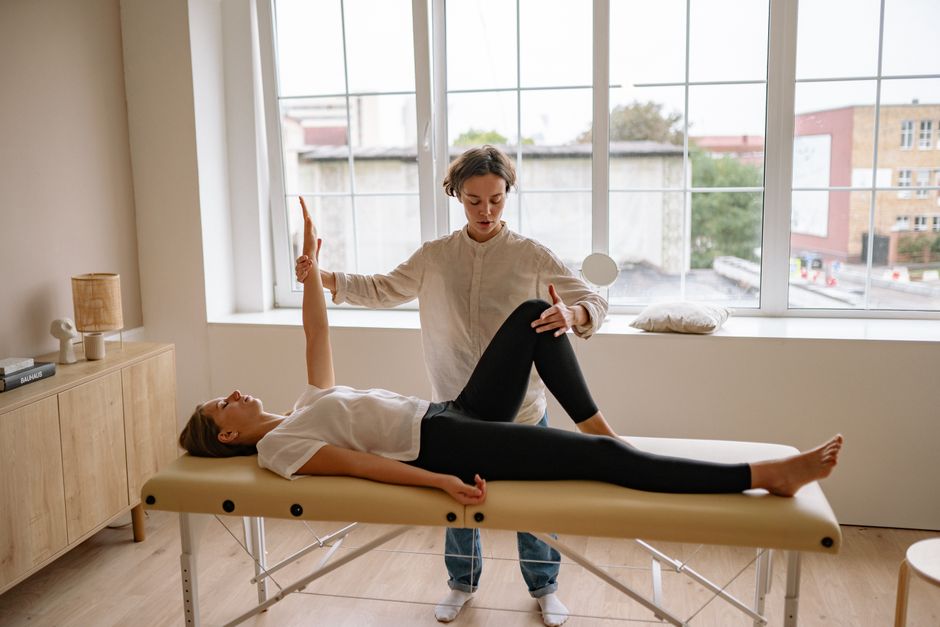
Sciatic nerve pain can stop you in your tracks. The sharp, burning sensation that travels from your lower back down your leg is frustrating and exhausting. To relieve sciatic nerve pain, the most effective approach combines gentle movement, targeted stretches, and anti-inflammatory habits. Research shows that staying active, rather than resting in bed, helps most people recover faster. Ice packs in the first 48 hours and heat therapy afterward can ease muscle spasms. Over-the-counter pain relievers like ibuprofen reduce inflammation. For persistent cases, physical therapy guided by a professional offers the best long-term results.
What Causes Sciatic Nerve Pain in the First Place?
Sciatic nerve pain is not a diagnosis itself. It is a symptom of something pressing on or irritating the sciatic nerve. This nerve runs from your lower back through your hips and buttocks and down each leg. When something compresses it, you feel pain, numbness, or tingling along that path.
The most common cause is a herniated disk in the lumbar spine. The soft inner material of a spinal disk pushes out and touches the nerve root. Other causes include bone spurs from arthritis, spinal stenosis, or tight piriformis muscles deep in the buttocks. Piriformis syndrome is often overdiagnosed. Some studies suggest it accounts for only a small fraction of sciatica cases, but it does happen.
Pregnancy can also trigger sciatica. Hormonal changes loosen ligaments, and the growing uterus shifts posture. This is temporary and usually resolves after delivery. As of 2026, current research suggests that most cases of sciatic nerve pain resolve within four to six weeks without surgery. That does not mean you should ignore it. It means your body can heal if you give it the right conditions.
Does Rest Actually Help Relieve Sciatic Nerve Pain?
For decades, doctors recommended bed rest for back and nerve pain. Research has flipped that advice completely. Studies have found that prolonged bed rest weakens muscles and slows recovery. It can actually make pain worse over time.
A 2017 study in the Journal of Orthopaedic & Sports Physical Therapy compared bed rest to staying active for acute sciatica. The group that remained active had faster improvement in pain and function. Two days of rest may help during the most intense pain phase. Beyond that, gentle movement is better.
What counts as gentle movement? Walking at a comfortable pace. Lying on your side with a pillow between your knees. Standing up every thirty minutes if you sit at a desk. The goal is to keep the nerve gliding without aggravating it. If a movement sharpens the pain, stop. If it feels like a stretch, it is probably okay.
Which Stretches Are Proven to Relieve Sciatic Nerve Pain?
Stretching helps by reducing muscle tension around the nerve. Tight muscles, especially in the hamstrings and piriformis, can trap the sciatic nerve and worsen symptoms. Stretching them creates more space for the nerve to move freely.
The most evidence-supported stretch is the knee-to-chest stretch. Lie on your back, pull one knee toward your chest, and hold for thirty seconds. Repeat on both sides. This gently mobilizes the lower spine without straining it.
The seated hamstring stretch is another good option. Sit on a chair, extend one leg straight with the heel on the floor, and lean forward slightly. You should feel it in the back of your thigh, not your lower back. Hold for thirty seconds and switch sides.
Avoid the classic toe touch. Bending forward from standing compresses the disks in your lower spine. This can push a herniated disk further into the nerve. Many people with sciatica find toe touches make the pain worse within hours.
| Stretch | How to Do It | What to Watch For |
|---|---|---|
| Knee to Chest | Lie back, pull one knee to chest, hold 30 seconds | Stop if pain shoots down leg |
| Seated Hamstring | Sit on chair, extend one leg, lean forward | Feel stretch in thigh, not back |
| Piriformis Stretch | Lie back, cross one ankle over opposite knee, pull leg toward chest | Go slowly, breathe through it |
| Cat-Cow | On hands and knees, alternate arching and rounding spine | Keep movements small and controlled |





What Medications and Treatments Actually Work?
Over-the-counter nonsteroidal anti-inflammatory drugs (NSAIDs) like ibuprofen or naproxen are the first line of defense. They reduce inflammation around the nerve. Acetaminophen works for pain but does not address inflammation. For most people, NSAIDs provide more relief.
Muscle relaxants are sometimes prescribed, but evidence for their effectiveness is weak. A 2021 Cochrane review found that muscle relaxants offer minimal benefit for acute low back pain and come with side effects like drowsiness and dizziness.
Physical therapy is the most effective non-surgical treatment for chronic sciatica. A therapist assesses your specific movement patterns and prescribes exercises that unload the nerve. Manual therapy, like gentle joint mobilization, can also help. Some studies suggest that combining physical therapy with NSAIDs works better than either alone.
Epidural steroid injections are an option for severe pain that does not respond to other treatments. A doctor injects corticosteroids near the affected nerve root. This reduces inflammation and can provide relief for weeks to months. It is not a cure. The underlying cause remains, but the pain is dampened enough to allow physical therapy to work.
Some people report relief from acupuncture. Evidence here is mixed. A 2018 meta-analysis in JAMA Network Open found that acupuncture provided small improvements in pain and function for chronic low back pain. The effect was modest and may be partly due to placebo. If you try it, keep your expectations realistic.
Chiropractic spinal manipulation has some support for acute sciatica. A 2019 study in Spine found that patients who received spinal manipulation had similar outcomes to those who received physical therapy. The key is finding a practitioner who uses gentle techniques and does not force adjustments on inflamed joints.
What Should You Avoid When Trying to Relieve Sciatic Nerve Pain?
Avoid prolonged sitting. Sitting increases pressure on the lumbar disks. If you must sit, use a chair with good lumbar support and stand up every thirty minutes. A standing desk can help, but do not stand for hours at a time either. Alternate between sitting and standing.
Avoid heavy lifting. Lifting with a rounded back puts enormous strain on the lower spine. If you must lift something, bend at your knees, keep the object close to your body, and tighten your core. Even better, ask for help with anything over twenty pounds.
Avoid high-impact exercise. Running, jumping, and heavy squats can aggravate a compressed nerve. Low-impact activities like swimming, cycling on a recumbent bike, or using an elliptical machine keep you moving without jarring the spine.
Avoid sleeping on your stomach. This position twists the spine and can worsen nerve irritation. Side sleeping with a pillow between your knees keeps the spine aligned. Back sleeping with a pillow under your knees also reduces pressure on the lower back.
Some people claim that certain supplements like turmeric, ginger, or vitamin B12 can cure sciatica. This is widely claimed though strong evidence is limited. Turmeric has anti-inflammatory properties, but no high-quality study shows it directly relieves sciatic nerve pain. Do not replace proven treatments with supplements.
When Should You Consider Surgery?
Surgery is rarely the first option. Most people improve with conservative care within six to twelve weeks. Surgery becomes an option when pain is severe and does not respond to other treatments, or when neurological symptoms are worsening.
Red flags that require immediate medical attention include sudden loss of bladder or bowel control. This is called cauda equina syndrome and requires emergency surgery. Numbness in the groin area or progressive weakness in the legs are also urgent signs.
The most common surgical procedure is a microdiscectomy. The surgeon removes the part of the herniated disk that presses on the nerve. Recovery is usually quick, with many people returning to normal activities within weeks. Success rates are high for the right candidates, but surgery does not guarantee complete relief. Some people develop scar tissue that causes new pain.
A 2020 study in the New England Journal of Medicine followed patients with herniated disks for eight years. Those who had surgery and those who did not had similar outcomes at the end of the study. Surgery provided faster relief in the first year, but the long-term results were comparable. This does not mean surgery is useless. It means you have time to try conservative treatments first.
Frequently Asked Questions About relieve sciatic nerve pain
Can sciatic nerve pain go away on its own?
Yes, most cases resolve within four to six weeks with conservative care like gentle movement and anti-inflammatory medication.
Is walking good for sciatic nerve pain?
Walking is one of the best activities for sciatica because it keeps the nerve gliding and strengthens supporting muscles without jarring the spine.
What sleeping position is best for sciatic nerve pain?
Sleeping on your side with a pillow between your knees keeps the spine aligned and reduces pressure on the sciatic nerve.
Does ice or heat work better for sciatic nerve pain?
Ice packs reduce inflammation in the first 48 hours, and heat therapy afterward relaxes muscle spasms and improves blood flow.
