
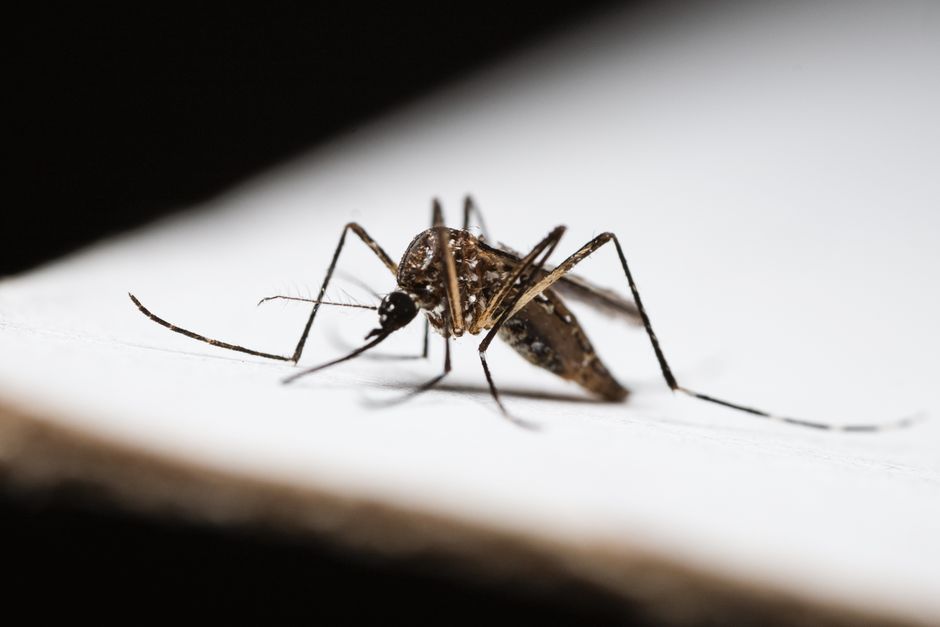
Malaria is a serious, sometimes fatal disease caused by a parasite that infects red blood cells. It is not something you treat at home with over-the-counter remedies. If you have malaria, you need prescription medication from a doctor, and the exact drug depends on the type of parasite, where you got infected, and your health history. Treatment must start quickly because the disease can become severe within hours.
What Is the Malaria Parasite and How Does It Affect the Body?
The malaria parasite is a microscopic organism from the Plasmodium family. Five species infect humans, and two of them cause most of the world’s cases. Plasmodium falciparum is the most dangerous. It multiplies fast and can cause severe illness or death. Plasmodium vivax is less deadly but can stay dormant in the liver for months or years and cause relapses.
The parasite enters your bloodstream through the bite of an infected female Anopheles mosquito. It travels to your liver, where it multiplies silently for one to two weeks. Then it bursts into your bloodstream and invades red blood cells. Inside the red blood cells, it feeds on hemoglobin and multiplies again. When the infected cells rupture, they release more parasites and trigger the classic symptoms: high fever, chills, sweating, headache, and body aches.
In severe cases, the parasite blocks blood flow in tiny vessels in the brain, kidneys, and lungs. This can lead to organ failure, seizures, coma, and death. This is why malaria is a medical emergency, not a wait-and-see illness.
How To Treat Malaria Parasite: The First Step Is Diagnosis
You cannot treat malaria without confirming it. The symptoms overlap with flu, dengue, and many other infections. A doctor will take a drop of blood and look at it under a microscope to see the parasites directly. This is called a blood smear. Rapid diagnostic tests that detect parasite proteins in the blood are also common and give results in about 15 minutes.
If you have traveled to a malaria zone and develop a fever within a year of returning, tell your doctor. Even if you took preventive medication, you can still get malaria. The parasite can hide in the liver for months, so a fever months after travel still warrants testing.
Do not ask for malaria medication without a positive test. Taking antimalarial drugs when you do not have malaria exposes you to side effects for no benefit and contributes to drug resistance.
Which Medications Treat Malaria?
The right drug depends on the parasite species, whether it is resistant to common drugs, and your age, weight, and pregnancy status. There is no single universal malaria pill.
For uncomplicated malaria caused by P. falciparum, the standard treatment in most of the world is artemisinin-based combination therapy, or ACT. These drugs combine a fast-acting artemisinin derivative with a longer-acting partner drug. Common examples include artemether-lumefantrine and artesunate-amodiaquine. ACTs are highly effective and usually clear the parasite within three days.
For P. vivax and P. ovale, treatment has two parts. First, a drug like chloroquine kills the parasites in the blood. Then a second drug, primaquine or tafenoquine, kills the dormant liver forms. Without the second drug, the infection will relapse weeks or months later.
For severe malaria, where the patient cannot swallow pills or has signs of organ failure, treatment is given in a hospital. Intravenous artesunate is the drug of choice. It works fast and saves lives. After a few doses, the patient usually switches to an oral ACT to finish the course.




Why You Must Finish the Full Course of Medication
Malaria treatment is not like taking painkillers until you feel better. You must take every dose on schedule, even after symptoms improve. Fever and chills often resolve within 48 hours of starting effective treatment, but parasites may still be circulating in your blood.
Stopping early leaves surviving parasites behind. Those parasites can multiply again and cause a second wave of illness. Worse, they may be the ones that carry genetic resistance to the drug. Every incomplete course of treatment is a chance for the parasite to evolve resistance.
This is not hypothetical. Drug-resistant malaria has appeared multiple times in history. Chloroquine resistance spread across Africa and Asia in the 1970s and 1980s, and it took decades to manage. Artemisinin resistance is now confirmed in parts of Southeast Asia. Finishing your medication is not just about your health — it is about protecting the effectiveness of these drugs for everyone.
What to Do If You Get Malaria While Traveling
If you are in a malaria zone and develop fever, chills, or flu-like symptoms, seek medical care the same day. Do not wait to see if it passes. Malaria can become severe within 24 to 48 hours, especially with P. falciparum.
If you are far from a clinic, some travelers carry emergency standby treatment. This is a full course of antimalarial medication prescribed by a doctor before travel, to be used only if you cannot reach medical care within 24 hours. It is not a substitute for seeing a doctor. Even if you take it, you must still get tested as soon as possible.
Self-diagnosis and self-treatment while traveling is risky. You might have a different illness. You might have the wrong drug for the local parasite strain. You might take the right drug but the wrong dose. Use standby treatment only as a bridge to professional care, never as the final answer.
Can Malaria Be Treated at Home?
No. Uncomplicated malaria can sometimes be managed at home with oral medication, but only after a doctor confirms the diagnosis and prescribes the drug. You still need medical follow-up to confirm the parasite is gone.
Severe malaria is never a home treatment situation. Signs of severe disease include confusion, difficulty breathing, dark urine, vomiting that prevents keeping down medication, and inability to stay awake. Any of these requires immediate hospitalization.
Fever reducers like acetaminophen can help with symptoms, but they do nothing to kill the parasite. Ibuprofen and aspirin should be used cautiously because malaria can cause low platelets, and these drugs can increase bleeding risk. Let your doctor advise you on fever management.
How To Prevent Malaria in the First Place
Prevention is far easier than treatment. If you are traveling to a malaria zone, talk to a travel medicine specialist four to six weeks before departure. They will prescribe preventive medication based on your destination and medical history. Common options include atovaquone-proguanil, doxycycline, and mefloquine. Each has different dosing schedules and side effects, so the choice depends on your situation.
Medication is not enough. You must also prevent mosquito bites. Use an EPA-registered insect repellent containing DEET, picaridin, or oil of lemon eucalyptus. Sleep under an insecticide-treated bed net. Wear long sleeves and pants in the evening when mosquitoes are most active. Stay in air-conditioned or screened rooms when possible.
Even with perfect prevention, no method is 100 percent effective. This is why the fever-after-travel rule matters. A fever within a year of visiting a malaria zone should always be tested for malaria, even if you took all your preventive medication correctly.
What About Natural Remedies or Supplements?
There is no natural remedy that cures malaria. Some plant compounds, like artemisinin from sweet wormwood, are genuine antimalarial drugs — but they are used in purified, standardized forms, not as teas or extracts. Drinking wormwood tea or taking unregulated herbal supplements will not reliably clear a malaria infection.
Some online sources suggest vitamin C, garlic, or other immune-boosting supplements to “fight” malaria. No clinical evidence supports this. Malaria is a parasitic infection that multiplies rapidly. It overwhelms the immune system quickly, especially in people without prior exposure. Supplements cannot prevent this.
If you are interested in herbal approaches, discuss them with your doctor. Some herbs interact with antimalarial drugs and can reduce their effectiveness or increase side effects. The safest approach is to take your prescribed medication and use supplements only under medical guidance.
When Can You Consider Yourself Cured?
You are cured when a blood test shows no parasites. This usually happens after completing the full medication course. Your doctor may repeat the blood smear a few days after treatment ends to confirm the parasite is gone.
For P. vivax and P. ovale infections, you need a second confirmation. The liver forms can reactivate months later. If you took primaquine or tafenoquine, the risk of relapse drops significantly, but it is not zero. Any fever in the following year should prompt a malaria test.
Recovery time varies. Most people feel significantly better within 48 to 72 hours of starting treatment, but fatigue can linger for weeks. The parasite destroys red blood cells, and your body needs time to rebuild its supply. Anemia is common after malaria and may require iron supplementation under a doctor’s supervision.
Frequently Asked Questions
Can malaria be cured completely?
Yes, with prompt and correct treatment, malaria is curable. The key is taking the full course of prescribed medication and confirming with a blood test that the parasite is gone.
How long does malaria treatment take?
Most oral treatments last three days. Severe malaria requires intravenous treatment in a hospital, usually for 24 to 48 hours, followed by an oral course.
What happens if malaria is left untreated?
Untreated malaria can progress to severe disease within days, causing organ failure, seizures, coma, and death. Plasmodium falciparum infections are especially dangerous and can be fatal within 24 hours of severe symptoms appearing.
Can you get malaria more than once?
Yes, you can get malaria multiple times. Previous infection provides partial immunity that reduces symptom severity, but it does not prevent future infections.
