
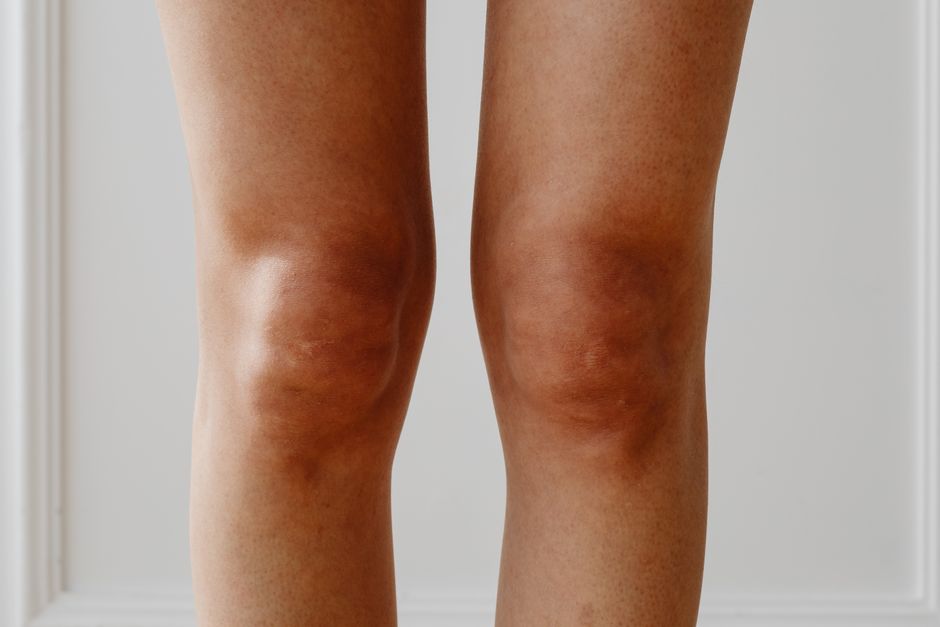
Knee bursitis is inflammation of a small fluid-filled sac, called a bursa, that cushions the knee joint. Most cases improve without surgery. Treatment usually starts with rest, ice, and avoiding the activity that triggered it, along with anti-inflammatory medication if your doctor says it is safe for you. If fluid builds up or the knee stays painful, a doctor may drain the bursa or inject a corticosteroid. Here is what the evidence supports and what it does not.
What Is Knee Bursitis and Why Does It Hurt?
A bursa is a thin sac lined with synovial cells. It holds a small amount of fluid and sits between bone and the soft tissues around it. The knee has several bursae. Their job is to let tendons and skin glide over bone without friction.
When a bursa gets irritated, the lining becomes inflamed and produces extra fluid. The sac swells. That swelling is what causes the visible lump and the aching pain in many cases of knee bursitis.
Two bursae cause most of the trouble. The prepatellar bursa sits in front of the kneecap, just under the skin. The pes anserine bursa sits on the inner side of the knee, below the joint line. Inflammation in each produces a different pattern of symptoms and often a different cause.
Prepatellar bursitis is common in people who kneel a lot for work or hobbies, which is why it is sometimes called housemaid’s knee. Pes anserine bursitis is more often linked to knee osteoarthritis, flat feet, or diabetes. It is also more common in people who carry extra weight.
How To Treat Knee Bursitis at Home
Most knee bursitis that is not infected settles with simple measures. The goal is to reduce irritation and let the inflamed lining calm down.
Start by taking pressure off the knee. Avoid kneeling, deep squatting, and repetitive bending until the pain eases. Rest does not mean complete immobility. Gentle movement that does not provoke pain helps keep the joint from stiffening.
Ice can help with pain and swelling in the first day or two. Apply a cold pack wrapped in a cloth for short periods, several times a day. Never put ice directly on the skin.
Over-the-counter anti-inflammatory drugs such as ibuprofen or naproxen can reduce pain and swelling. These are not right for everyone. People with kidney disease, stomach ulcers, heart disease, or who take blood thinners should check with a doctor or pharmacist first. Acetaminophen can ease pain but does not reduce inflammation.
A knee sleeve or an elastic bandage may give support and mild compression. Keep it loose enough that it does not restrict circulation. Elevating the leg can help if swelling is significant.
If the knee is hot, red, and very tender, or if you have a fever, stop home care and seek medical attention. Those signs can point to infection, which needs different treatment.
When Should You See a Doctor for Knee Bursitis?
See a doctor if pain or swelling does not improve after a week or two of home care, if you cannot bear weight, or if the swelling keeps coming back. These signs can mean the bursa is infected or that something else is going on.
Infected bursitis, called septic bursitis, is a medical concern. The usual signs are a warm, swollen, very painful knee, often with fever and chills. It is more common in people with diabetes, weakened immune systems, or a break in the skin near the knee. Septic bursitis usually needs antibiotics, and sometimes drainage.
Other conditions can mimic bursitis. A meniscal tear, gout, rheumatoid arthritis, and knee osteoarthritis can all cause similar pain and swelling. A doctor can usually sort these out with an exam, and sometimes by removing and testing a sample of the fluid.
That fluid test matters more than many people realize. Looking at the fluid under a microscope and culturing it is the reliable way to tell an inflamed bursa from an infected one. The two look similar on the outside but need very different treatment.




Medical Treatments a Doctor May Recommend
When home care is not enough, doctors have several options. Which one fits depends on the cause, how long the problem has lasted, and whether infection is a concern.
Draining the bursa with a needle can relieve pressure and pain, and it provides fluid for testing. This is done in a clinic. It is often combined with a corticosteroid injection into or around the bursa.
Corticosteroid injections reduce inflammation. They can ease pain for weeks to months in many people. The relief is not always permanent, and repeated injections into the same area are generally avoided. Doctors weigh the benefit against the small risk of infection, skin thinning, and a temporary rise in blood sugar in people with diabetes.
If the bursa is infected, antibiotics are the main treatment. Oral antibiotics work for many cases. More serious infections may need intravenous antibiotics or surgical drainage.
Surgery is uncommon for knee bursitis. It is reserved for cases that keep coming back or do not respond to other treatment. The most common operation is removing the inflamed bursa, called a bursectomy. Recovery takes time, and physical therapy often follows.
Physical Therapy and Activity Changes
Physical therapy can help you keep strength and movement in the knee while the bursa heals. It also addresses the muscle imbalances and movement patterns that may have contributed to the problem.
A therapist may work on the muscles around the hip and knee, especially the quadriceps and the gluteal muscles. Strengthening these can take load off the bursa. Stretching tight hamstrings and calf muscles may help too, though the evidence that stretching alone prevents recurrence is limited.
Changing how you move matters for prevention. If kneeling caused the problem, use a kneeling pad or knee pads for work. If you run or cycle, check your form and your equipment. Flat feet can change how the knee tracks, and supportive shoes or orthotics help some people with inner-knee bursitis.
Return to activity gradually. Jumping back into the same routine that caused the flare often brings it right back. Build up over days to weeks, and back off if pain returns.
What Does Not Work or Is Unproven
Some popular remedies for knee bursitis have little or no evidence behind them. It helps to know which claims are solid and which are marketing.
There is no strong evidence that dietary supplements cure or reverse bursitis. Glucosamine and chondroitin have been studied mostly for osteoarthritis, not bursitis, and results for osteoarthritis itself have been mixed. No supplement has been shown in large human trials to treat an inflamed bursa.
Compression, elevation, and ice are widely used and generally safe, but the evidence for how much they speed healing is limited. They mainly help with comfort and swelling.
Heat is often recommended for chronic stiffness, but it can increase swelling in a freshly inflamed bursa. Cold is the better choice in the early, swollen stage.
Rest does not mean staying off the leg for weeks. Prolonged immobility can weaken the muscles around the knee and make the joint stiffer. Gentle, pain-free movement is usually better than total rest once the acute phase passes.
How Long Does Knee Bursitis Take to Heal?
Most cases of non-infected knee bursitis improve within a few weeks with rest and simple care. Some people feel better in days. Others take longer, especially if the cause is a job or sport they cannot easily avoid.
Pes anserine bursitis linked to osteoarthritis or diabetes can be slower to settle because the underlying condition keeps feeding the irritation. In those cases, treating the root problem matters as much as treating the bursa.
Septic bursitis usually responds to antibiotics within days, but full recovery can take longer. If fever and swelling do not improve after starting treatment, tell your doctor.
Chronic bursitis, where symptoms come and go over months, is more stubborn. It often needs a combination of activity changes, physical therapy, and sometimes medical treatment. There is no single timeline that fits everyone, and anyone who promises a fixed recovery date is guessing.
Frequently Asked Questions
How do you treat knee bursitis at home?
Rest the knee, avoid the activity that triggered it, apply ice for short periods, and use over-the-counter anti-inflammatory medicine if it is safe for you. See a doctor if it does not improve in a week or two.
Is knee bursitis serious?
Most knee bursitis is not serious and settles with simple care. But if the knee is hot, red, and very painful, or you have a fever, it may be infected and needs medical care right away.
Does knee bursitis go away on its own?
Many cases do improve on their own within a few weeks with rest and avoiding the trigger. Cases linked to arthritis, diabetes, or ongoing kneeling often last longer and may need medical treatment.
Should I walk with knee bursitis?
Gentle walking is usually fine if it does not make the pain worse. Avoid long walks, kneeling, and deep squats until the swelling and pain ease.
