
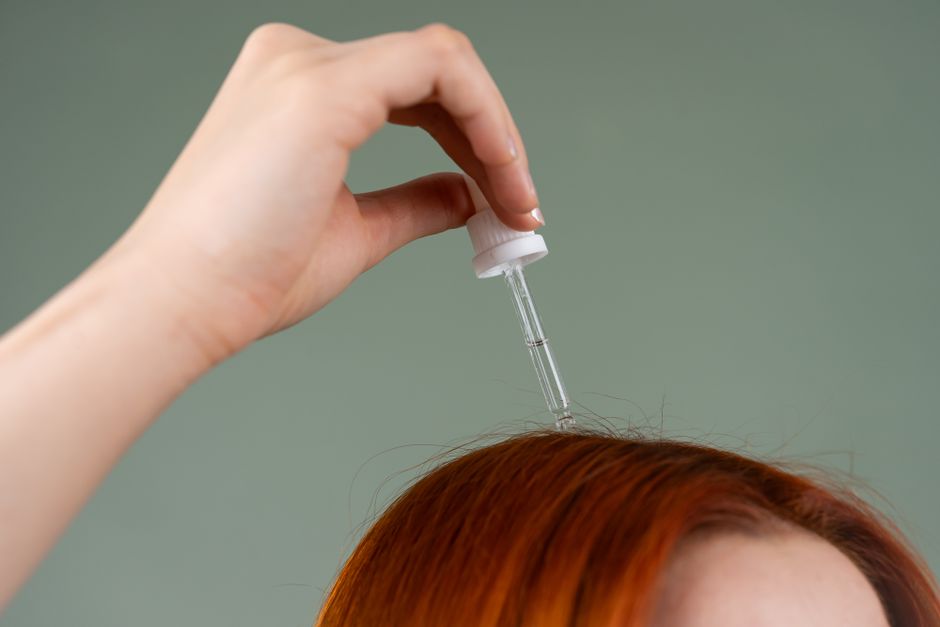
An itchy scalp is one of the most common reasons people ask a doctor or pharmacist about their hair. The fastest way to treat it is to stop scratching, identify the likely cause, and use a targeted shampoo or treatment rather than a generic moisturizer. Most cases come down to dandruff, seborrheic dermatitis, contact irritation from hair products, or a dry scalp — and each one responds to a different approach. If the itch comes with spreading redness, open sores, sudden hair loss, or swelling, see a clinician rather than self-treating.
What Usually Causes an Itchy Scalp?
The scalp itches for a small number of reasons, and figuring out which one you have determines what actually works.
Dandruff is the most common cause. It shows up as white or yellowish flakes and a mild itch. The driver is usually a yeast called Malassezia that lives on most people’s scalps. It is not a hygiene problem, and it is not contagious.
Seborrheic dermatitis is a more inflamed version of the same picture. The scalp is red, greasy, and flaky, and the itch can be persistent. It often appears along the hairline, behind the ears, and in the eyebrows. The exact cause is not fully understood, but Malassezia and the skin’s immune response both appear to play a role.
Contact dermatitis happens when a product irritates the scalp or triggers an allergic reaction. Common culprits include hair dyes, shampoos, conditioners, and styling products. The itch usually tracks with where the product touched the skin.
Dry scalp produces small, dry flakes and itching, often worse in winter or in low humidity. It looks similar to dandruff but the flakes tend to be finer and less greasy.
Psoriasis of the scalp causes thick, silvery scales and can itch intensely. It is a separate condition from dandruff and needs different treatment.
Less common causes include head lice, fungal infections of the scalp, and nerve-related itching. These usually come with distinct signs — visible lice or nits, patches of broken hair, or itching without any flaking at all.
How To Treat Itchy Scalp at Home
Most mild itchy scalp responds to changes you can make at home. Start with the least aggressive step and give it a few weeks before deciding it failed.
Wash regularly with a gentle shampoo. Skipping washes lets oil and dead skin build up, which can feed the yeast involved in dandruff. For most people, washing every one to two days is reasonable. There is no fixed rule — frequency depends on your hair type and how oily your scalp is.
Try an over-the-counter antidandruff shampoo. These contain different active ingredients, and they do not all work the same way. Common options include:
- Zinc pyrithione — reduces Malassezia growth
- Selenium sulfide — slows yeast growth and reduces flaking
- Ketoconazole — an antifungal that targets Malassezia
- Salicylic acid — helps loosen and remove scale
- Coal tar — reduces inflammation and slows skin cell turnover
Follow the label directions. Some of these work better when left on the scalp for a few minutes before rinsing, but the exact contact time varies by product, so read the instructions rather than guessing.
Rotate products if one stops working. Some people find that a single shampoo loses effectiveness over time. Switching between two products with different active ingredients is a common approach, though the evidence for this specific strategy is not strong.
Stop scratching. Scratching damages the skin barrier and can lead to secondary infection. If the itch is hard to resist, cool compresses or an over-the-counter hydrocortisone product used short-term may help calm it. Hydrocortisone is not meant for long-term use on the scalp.
Check your hair products. If the itch started after a new dye, shampoo, or styling product, stop using it and see whether the itch settles. This is the single most useful step for suspected contact dermatitis.
When Should You See a Doctor for an Itchy Scalp?
See a clinician if the itch does not improve after several weeks of consistent home treatment, or if it is severe enough to disrupt sleep or daily life.
Some signs mean you should not wait:
- Redness, swelling, or warmth spreading beyond the scalp
- Open sores, crusting, or pus
- Sudden or patchy hair loss
- Thick silvery scales that do not respond to antidandruff shampoo
- Itching with no visible flaking at all
- Symptoms that started after a new medication
These can point to psoriasis, a fungal infection, an allergic reaction, or another condition that needs a proper diagnosis. A clinician can usually tell the difference by looking at the scalp and asking about your history. In some cases a skin scraping or sample is taken to check for fungus.





What Treatments Do Doctors Prescribe?
Prescription treatment depends on the diagnosis. For seborrheic dermatitis, clinicians often prescribe stronger topical antifungals or anti-inflammatory products. For scalp psoriasis, treatment may include prescription steroid solutions, vitamin D analog products, or other medications applied directly to the scalp.
For severe or stubborn cases, a dermatologist may recommend systemic treatment — medication taken by mouth or given by injection. These are used when topical treatment is not enough, and they carry their own risks that need to be discussed with a clinician.
It is worth being clear about one thing: prescription treatments for scalp conditions are well established for the conditions they target, but they are not interchangeable. A treatment that works for psoriasis will not necessarily help dandruff, and vice versa. Getting the diagnosis right matters more than getting a stronger product.
Does Diet or Lifestyle Affect an Itchy Scalp?
The evidence here is limited. No specific diet has been shown to reliably treat dandruff or seborrheic dermatitis.
Some research suggests that certain nutrients, including zinc and B vitamins, play a role in skin health, but this does not mean that supplementing them fixes an itchy scalp in people who are not deficient. There is no strong evidence that cutting out particular foods resolves dandruff.
Stress is a different story. Stress does not cause dandruff, but it can worsen many skin conditions, including seborrheic dermatitis and psoriasis. Managing stress is reasonable for overall health, though it is not a stand-alone treatment for scalp itching.
Climate matters for some people. Cold, dry air can worsen a dry scalp, and indoor heating lowers humidity further. A humidifier may help if dryness is the main issue, but this is a comfort measure rather than a proven treatment.
Common Mistakes That Make an Itchy Scalp Worse
Several habits keep the itch going even when people are trying to fix it.
Using the wrong product for the cause. A moisturizing shampoo will not treat dandruff, and an antidandruff shampoo will not fix contact irritation. Matching the product to the cause is the whole game.
Giving up too soon. Antidandruff shampoos often need consistent use over a period of weeks before you can judge whether they help. Stopping after two washes does not tell you much.
Scratching hard or using sharp tools. Some people use combs or fingernails to relieve the itch. This damages the skin and raises the risk of infection.
Applying heavy oils or occlusive products. For dandruff and seborrheic dermatitis, heavy oils can make things worse by trapping scale and oil on the scalp. For a genuinely dry scalp, a light oil may help, but the two conditions are easy to confuse.
Ignoring a reaction to hair dye. Dye-related reactions can be serious and can worsen with repeated exposure. If a dye caused swelling, blistering, or a spreading rash, see a clinician before dyeing again.
Frequently Asked Questions
How do I stop my scalp from itching immediately?
Stop scratching and apply a cool compress to calm the itch in the moment. For lasting relief you need to treat the underlying cause, such as dandruff or contact irritation.
Which shampoo is best for an itchy scalp?
There is no single best shampoo — the right one depends on the cause. Antidandruff shampoos with zinc pyrithione, selenium sulfide, or ketoconazole are reasonable first choices for flaky, itchy scalps.
Can an itchy scalp cause hair loss?
Itching by itself does not cause hair loss, but constant scratching can damage hair follicles and lead to breakage. Some conditions that cause itching, such as scalp psoriasis, can also cause hair loss.
How long should I try a treatment before seeing a doctor?
Give a consistent home treatment several weeks before judging whether it works. If there is no improvement, or if you have sores, spreading redness, or patchy hair loss, see a clinician sooner.
