
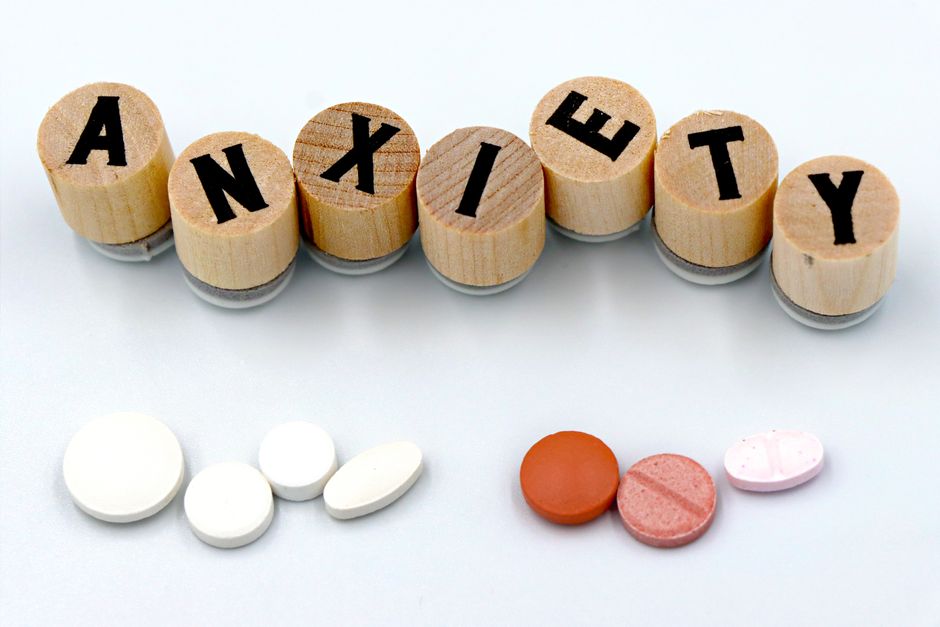
An anxiety attack feels overwhelming, but you can take steps to get through it. The most effective approach combines immediate grounding techniques with slow, controlled breathing. These methods help your nervous system shift out of its emergency response, and with practice, they become tools you can reach for whenever symptoms begin.
What Does an Anxiety Attack Actually Feel Like?
Anxiety attacks come on suddenly. Your heart races, your chest feels tight, and you might struggle to catch your breath. Some people feel dizzy, nauseous, or notice their hands tingling. It is genuinely frightening — your body is responding as if there is a real threat, even when there is not.
These symptoms happen because your sympathetic nervous system activates. This is the “fight or flight” response. Your body releases stress hormones like adrenaline and cortisol, which prepare you to react to danger. Blood flows to your muscles, your breathing quickens, and your heart pumps faster.
The key thing to remember is that an anxiety attack is not dangerous. It feels awful, but it will pass. Your body cannot sustain this heightened state indefinitely. Most attacks peak within 10 minutes and resolve within 30 minutes, though the exact timing varies from person to person.
How to Treat a Anxiety Attack in the Moment
When an anxiety attack hits, the first goal is to interrupt the cycle. Your brain is sending danger signals, but you can send back information that says otherwise. Start with your breath because it is the fastest way to influence your nervous system.
Try slow, extended exhales. Inhale through your nose for a count of four, then exhale slowly through your mouth for a count of six or eight. The longer exhale activates your parasympathetic nervous system, which is the “rest and digest” branch. This does not stop the attack instantly, but it begins to counter the emergency response.
Grounding techniques also help. The 5-4-3-2-1 method is simple: name five things you can see, four things you can touch, three things you can hear, two things you can smell, and one thing you can taste. This forces your brain to process sensory information from your current environment rather than the perceived threat.
Move your body if you can. Stand up slowly, walk a few steps, or press your feet firmly into the floor. Physical movement helps burn off some of the adrenaline circulating in your system. Even small movements like rolling your shoulders or stretching your neck can make a difference.
Cold water can also help. Splash it on your face or hold an ice cube in your hand. The sudden temperature change can shift your attention and trigger what is called the dive reflex, which naturally slows your heart rate.
What Not to Do During an Anxiety Attack
Some common responses make anxiety attacks worse. Avoid fighting the feeling. When you try to suppress or resist the symptoms, your body interprets that as confirmation that the threat is real. Instead, acknowledge what is happening: “This is an anxiety attack. It is uncomfortable, but it is not dangerous.”
Do not check your pulse repeatedly or search for symptoms online. This is called safety-seeking behavior, and it feeds the cycle. Every time you check and find nothing wrong, the relief is temporary, and the next wave of anxiety often comes back stronger.
Avoid rapid, shallow breathing. Hyperventilation lowers carbon dioxide levels in your blood, which causes dizziness, tingling, and chest tightness. These symptoms are often mistaken for something worse, which increases panic. Slow breathing through your nose helps correct this.
Do not reach for alcohol or caffeine. Caffeine can intensify physical symptoms like a racing heart. Alcohol may seem calming in the moment, but it can trigger rebound anxiety as it wears off. Neither addresses the underlying cause.



Breathing Exercises That Work
Breathing exercises are the most studied self-help technique for acute anxiety. They work because breathing is one of the few bodily functions you can control voluntarily that also affects your autonomic nervous system.
Box breathing is a straightforward technique used in clinical settings. Breathe in for four counts, hold for four counts, exhale for four counts, and hold again for four counts. Repeat this cycle for several minutes. The equal timing creates a steady rhythm that many people find calming.
Alternate nostril breathing is another option. Close your right nostril with your thumb, inhale through your left nostril, then close the left nostril and exhale through the right. Continue alternating for several rounds. Some research suggests this technique can reduce perceived stress, though the evidence base is smaller than for simple slow breathing.
Whatever technique you choose, consistency matters more than perfection. Practicing these exercises when you are calm builds the skill so it is available during an attack. A few minutes of daily practice is more useful than only trying during a crisis.
When Anxiety Attacks Keep Happening
An occasional anxiety attack is not unusual. Stressful life events, sleep deprivation, and major transitions can all trigger one. But if attacks happen repeatedly, it may point to an underlying anxiety disorder that benefits from professional care.
Recurrent attacks can lead to anticipatory anxiety — the fear of having another attack. This can cause people to avoid situations where an attack might occur, which is the pattern seen in panic disorder. If you are changing your behavior to avoid potential triggers, that is a sign to seek help.
Several effective treatments exist. Cognitive behavioral therapy, or CBT, helps you identify and change the thought patterns that fuel anxiety. Exposure therapy gradually and safely helps you face feared situations. Both have strong evidence behind them and are considered first-line treatments for anxiety disorders.
Medication is another option, but it is not a first choice for everyone. Selective serotonin reuptake inhibitors, or SSRIs, are commonly prescribed for anxiety disorders. They take several weeks to work and are not meant for immediate relief. Some clinicians prescribe short-acting medications for acute episodes, but these carry risks of dependence and are generally used with caution.
No single treatment works for everyone. What matters is finding an approach that fits your situation. A mental health professional can help you sort through the options based on your specific symptoms and history.
Lifestyle Changes That Reduce Attack Frequency
Regular sleep is one of the most protective factors. Sleep deprivation increases emotional reactivity and makes you more vulnerable to anxiety. Most adults need between seven and nine hours per night, though individual needs vary.
Regular physical activity also helps. Exercise burns off stress hormones and increases endorphins. It does not need to be intense — consistent walking, swimming, or cycling all show benefits for anxiety symptoms. The evidence is strongest for aerobic exercise done several times per week.
Limiting caffeine is worth trying. Caffeine is a stimulant that can mimic or amplify anxiety symptoms. If you drink coffee or energy drinks, consider reducing your intake gradually. Sudden withdrawal can cause headaches and fatigue, so taper slowly.
Alcohol is a depressant that disrupts sleep architecture and can increase anxiety the following day. Reducing alcohol intake, especially in the evening, often improves both sleep quality and daytime anxiety levels.
Mindfulness-based practices have accumulated solid evidence for anxiety reduction. Mindfulness-based stress reduction, or MBSR, is an eight-week program with published research showing moderate effects on anxiety symptoms. You do not need to sign up for a formal program — even regular meditation practice shows benefits in many studies.
When to Get Immediate Help
An anxiety attack itself is not a medical emergency, but some symptoms overlap with more serious conditions. Chest pain, especially if it radiates to your arm or jaw, shortness of breath at rest, or fainting should be evaluated by a doctor. Do not assume it is “just anxiety” if you have not had these symptoms evaluated before.
If anxiety attacks are interfering with work, relationships, or daily activities, talk to a healthcare provider. Primary care doctors can screen for anxiety disorders and refer you to appropriate specialists. Many people wait years before seeking help, but treatment is effective and earlier intervention generally leads to better outcomes.
Suicidal thoughts are a different category entirely. If you are thinking about harming yourself, contact a crisis line or go to an emergency room. This is not the same as an anxiety attack, and it requires immediate attention.
Frequently Asked Questions
How long does an anxiety attack last?
Most anxiety attacks peak within 10 minutes and resolve within 30 minutes. Some people experience waves of symptoms that last longer, but the intense peak is usually brief.
Can you stop an anxiety attack once it starts?
You cannot instantly stop an attack, but slow breathing and grounding techniques can shorten it and reduce its intensity. The goal is to ride it out while calming your nervous system, not to force it to end.
What is the difference between an anxiety attack and a panic attack?
The terms are often used interchangeably, but panic attacks are a specific diagnosis in the DSM-5 with defined symptoms. Anxiety attacks are not an official medical diagnosis but are commonly described as a sudden surge of intense worry or fear.
Should I see a doctor after having an anxiety attack?
If this is your first attack or you have chest pain, shortness of breath, or fainting, see a doctor to rule out other conditions. If attacks are recurring, a mental health professional can help identify the cause and recommend treatment.
