
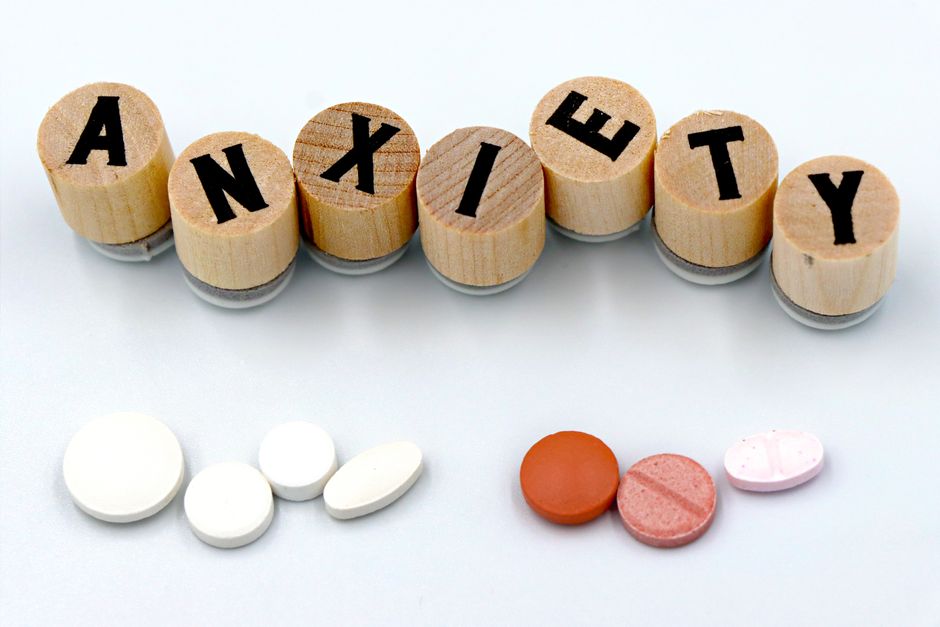
Anxiety is not a character flaw or something you can simply “snap out of.” It is a real, physical response your body produces when it perceives a threat, and for millions of Americans, that alarm system gets stuck in the “on” position. Treating general anxiety usually involves a combination of therapy, lifestyle changes, and sometimes medication. The most effective first step is talking to a primary care doctor or a mental health professional who can help you build a plan that fits your specific symptoms.
What Does General Anxiety Actually Feel Like?
General anxiety is different from the nervous feeling you get before a big presentation. People with generalized anxiety disorder (GAD) often describe a constant, low-level worry that follows them through the day. It is not tied to one specific event. It is a background hum of “what if” thoughts that does not switch off.
Physically, anxiety can show up as a racing heart, shallow breathing, tense shoulders, or an upset stomach. Many people also report trouble sleeping, difficulty concentrating, and feeling restless or on edge. You do not need to have every symptom to have anxiety. If these feelings last most days for six months or more, it may meet the clinical definition of generalized anxiety disorder.
How to Treat General Anxiety: The First-Line Approaches
The most established treatment for general anxiety is cognitive behavioral therapy, often called CBT. This is not vague talk therapy. CBT is a structured, time-limited approach that teaches you to identify distorted thought patterns and test them against reality. Research consistently shows it is one of the most effective treatments for anxiety disorders.
Another well-supported therapy is acceptance and commitment therapy, or ACT. Rather than trying to fight anxious thoughts, ACT focuses on accepting them without letting them control your behavior. Both therapies give you practical tools, and many people see meaningful improvement within 8 to 12 sessions.
Medication is also a proven option. Selective serotonin reuptake inhibitors, or SSRIs, are the most commonly prescribed class for anxiety. They are not fast-acting — they typically take several weeks to build up in your system. Some doctors also prescribe serotonin-norepinephrine reuptake inhibitors, or SNRIs. Benzodiazepines like Xanax or Valium work quickly but are generally reserved for short-term use because they carry a risk of dependence.
What You Can Do Daily to Lower Anxiety
Daily habits do not cure anxiety, but they can meaningfully reduce its intensity. Exercise is one of the most consistently supported interventions. Aerobic activity raises your heart rate and triggers the release of endorphins, which are natural mood elevators. Even a 20-minute walk most days can help.
Breathing exercises work because they directly activate your parasympathetic nervous system — the “rest and digest” branch. Slow, deep breathing at about six breaths per minute has been shown to lower heart rate and blood pressure. Try inhaling for four counts, holding briefly, and exhaling for six counts.
Sleep is not optional. Chronic sleep deprivation makes the amygdala — the brain’s fear center — more reactive. If you struggle with sleep, focus on a consistent wake-up time first. That single anchor helps regulate your circadian rhythm more effectively than forcing an early bedtime.





When to Consider Medication for Anxiety
Medication is not a sign of failure. If your anxiety is interfering with work, relationships, or basic daily function, medication may be the most direct path to feeling better. SSRIs like sertraline and escitalopram are often the starting point because they have a well-documented safety profile and are not habit-forming.
The evidence is clear that combining medication with therapy is more effective than either alone. Medication can lower the intensity of symptoms enough that therapy becomes more manageable. Some people use medication temporarily while learning coping skills. Others stay on it long-term. That decision is between you and your doctor.
One important caution: do not stop an SSRI abruptly. Discontinuation syndrome can cause dizziness, nausea, and electric-shock-like sensations. If you decide to stop, work with your doctor to taper the dose gradually.
What About Natural Supplements and CBD?
The supplement market is full of products claiming to cure anxiety. The evidence does not support most of them. Some preliminary research suggests certain supplements may have mild effects, but no supplement has been proven to treat generalized anxiety disorder in large, rigorous human trials.
CBD is a common example. While some small studies show promise for anxiety, the research is still in early stages. Products vary widely in quality and dosage, and the FDA does not regulate them as medications. No clinical guidelines currently recommend CBD as a treatment for anxiety.
Herbal options like kava and valerian root have some historical use for anxiety, but both carry concerns. Kava has been linked to liver damage in rare cases, and valerian root can interact with sedative medications. If you choose to try any supplement, tell your doctor. Some supplements interfere with prescription medications in dangerous ways.
Lifestyle Factors That Make Anxiety Worse
Caffeine is a hidden aggravator. It blocks adenosine, a chemical that promotes calmness, and it can trigger the same physical symptoms as anxiety — racing heart, jitteriness, sweating. If you have anxiety, consider limiting caffeine to the morning or cutting it out entirely for a few weeks to see if symptoms improve.
Alcohol is another trap. It may temporarily dull anxiety, but as it metabolizes, it can cause rebound anxiety that is worse than before. Regular alcohol use also disrupts sleep architecture, which feeds the cycle of anxiety and exhaustion.
Blood sugar swings can mimic anxiety symptoms. Skipping meals and eating highly refined carbohydrates can cause rapid glucose spikes and crashes. Some people experience shakiness, irritability, and a racing heart during a low-blood-sugar episode that feels identical to a panic attack. Eating regular meals with protein and fiber can help stabilize your mood.
When Anxiety Needs Urgent Attention
Most anxiety is uncomfortable but not dangerous. However, there are times when you need immediate help. If you have thoughts of harming yourself or feel like you cannot keep yourself safe, call 988 — the Suicide and Crisis Lifeline — or go to the nearest emergency room.
Panic attacks, while terrifying, are not medically dangerous. They peak within about 10 minutes and pass on their own. However, if you experience chest pain, especially with shortness of breath or pain radiating down your arm, do not assume it is anxiety. Get evaluated by a medical professional to rule out cardiac issues first.
How Long Does Treatment Take to Work?
There is no universal timeline, but some patterns are well established. Therapy typically requires several sessions before you notice a shift. Many people report feeling some relief within 6 to 8 sessions of CBT, but full benefit often takes 3 to 4 months of consistent practice.
SSRIs follow a different curve. The first week or two may actually bring increased anxiety in some people. This is a known side effect that usually settles. Meaningful improvement typically appears at 4 to 6 weeks, with full effect at 8 to 12 weeks. If one medication does not work or causes intolerable side effects, others are available. Finding the right fit can take time.
The Role of Professional Diagnosis
Anxiety symptoms can overlap with other medical conditions. Thyroid disorders, vitamin deficiencies, and certain heart rhythm problems can all produce anxiety-like symptoms. A doctor can run basic blood work to rule these out before starting treatment.
Anxiety also frequently coexists with depression. The two conditions share biological pathways, and treating one often improves the other. A thorough evaluation helps ensure you are treating the actual problem, not just the most obvious symptom. If you have not seen a doctor yet, that is the place to start.
Frequently Asked Questions
What is the fastest way to calm an anxiety attack?
Slow breathing at about six breaths per minute is the fastest way to activate your body’s calming response. Focus on a long exhale — breathing out for six counts and in for four counts can reduce heart rate within a few minutes.
Can general anxiety go away without treatment?
Some people experience periods of remission without formal treatment, but generalized anxiety disorder tends to be chronic without intervention. The evidence shows that therapy and medication offer the best chance for sustained improvement.
How do I know if I need medication for anxiety?
Consider medication if anxiety interferes with daily functioning — work, relationships, or basic self-care — despite trying therapy and lifestyle changes. A psychiatrist or your primary care doctor can help you weigh the benefits and risks based on your specific situation.
Is it safe to take anxiety medication while pregnant?
Some anxiety medications are considered safer than others during pregnancy, but the decision requires careful discussion with your obstetrician and mental health provider. Untreated anxiety also carries risks during pregnancy, so this is not a simple yes or no answer.
