
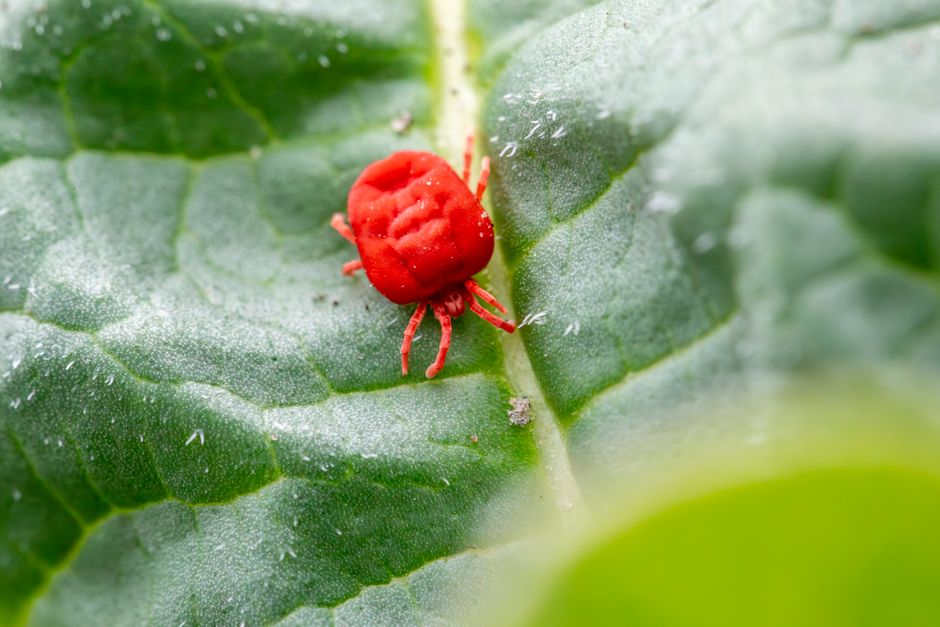
Treating varroa mites requires a clear choice between organic and synthetic options. Organic treatments like formic acid and thymol work well when temperatures are right. Synthetic treatments such as amitraz and fluvalinate are effective but mites can develop resistance. The best approach for most beekeepers is to rotate between treatment types to keep mites under control and slow resistance.
What Is the Difference Between Organic and Synthetic Varroa Treatments?
Organic varroa treatments come from natural sources. They include formic acid, oxalic acid, thymol, and hop beta acids. These compounds exist in nature and break down quickly inside the hive. Synthetic treatments are man-made chemicals. The most common ones are amitraz, fluvalinate, and coumaphos. They last longer in the hive and in wax.
Both types kill varroa mites. The difference is how they work and how long they stay active. Organic treatments tend to be more temperature-sensitive. Synthetic treatments are more stable but leave chemical residues in beeswax. The USDA has found residues of synthetic miticides in beeswax across the country. This matters if you sell wax or want to keep your hive as clean as possible.
How To Treat For Varroa Mites Organic To Synthetic: Which One Should You Use First?
Start with organic treatments if you have never treated before or if your mite count is low to moderate. Formic acid and oxalic acid are good first choices. They have low risk of leaving long-term residues. The Organic Materials Review Institute lists both as acceptable for organic beekeeping.
Switch to synthetic treatments only if organic options fail to bring mite levels down. Amitraz is the most effective synthetic option as of 2026. Research published in the Journal of Apicultural Research shows amitraz still kills over 95 percent of mites in most regions. But do not use it as your first treatment. Save it for when you need it most.
Rotating between treatment types is critical. The University of Minnesota Bee Lab recommends never using the same treatment class twice in a row. This slows resistance. If you used oxalic acid in spring, use formic acid or amitraz in fall. Do not repeat the same active ingredient.
What Are the Best Organic Varroa Treatments and How Do They Work?
Formic acid is the most reliable organic treatment. It comes in gel pads or liquid strips. The acid vaporizes inside the hive and kills mites under the capped brood. No other organic treatment reaches mites inside sealed cells. Formic acid works best between 50 and 85 degrees Fahrenheit. Below 50 degrees it does not vaporize enough. Above 85 degrees it can harm the queen.
Oxalic acid works differently. It kills mites on adult bees but does not reach capped brood. This means you need multiple applications over several weeks. Oxalic acid is most effective in winter when there is no brood. You can dribble it as a sugar syrup mixture or vaporize it as a gas. Vaporizing requires a special device but is faster and less stressful to bees.
Thymol is another organic option. It comes in slow-release pads placed on top of the brood boxes. Thymol works best in warm weather above 60 degrees. Some bees do not like the strong smell and may push it out of the hive. Thymol can also affect honey flavor if left in too long. Remove it before adding honey supers.
Hop beta acids are newer. They come in strip form and kill mites by disrupting their nervous system. Evidence is still building. Some studies suggest they work well in warm weather but less reliably in cooler conditions. The USDA has approved them for organic use.



What Are the Most Effective Synthetic Varroa Treatments?
Amitraz is the top synthetic treatment. It comes in plastic strips that you hang between frames. The chemical spreads through the hive and kills mites on contact. Amitraz works across a wide temperature range. It is effective even when mite levels are high. The main risk is resistance. Mites in some regions of the United States have developed partial resistance. Rotating with other treatments reduces this risk.
Fluvalinate was once the standard treatment. It is no longer recommended as a first choice. Research from the USDA Agricultural Research Service shows widespread resistance in varroa mite populations. Many beekeepers report it does little to nothing. If you have not used it before it may still work. But do not rely on it.
Coumaphos is another older synthetic. It comes in strips and works slowly over several weeks. Resistance is also common. The EPA has approved it but many beekeepers avoid it due to residue concerns. Coumaphos breaks down slowly and accumulates in wax. The Canadian Honey Council advises against using it in hives where you harvest wax.
| Treatment | Type | Kills Mites Under Capped Brood | Temperature Range | Resistance Risk |
|---|---|---|---|---|
| Formic acid | Organic | Yes | 50-85°F | Low |
| Oxalic acid | Organic | No | Any (best with no brood) | Low |
| Thymol | Organic | No | 60-90°F | Low |
| Amitraz | Synthetic | Yes | 50-95°F | Moderate |
| Fluvalinate | Synthetic | Yes | 50-95°F | High |
What Mistakes Do Beekeepers Make When Treating Varroa Mites?
The biggest mistake is treating without knowing your mite count. The National Honey Bee Health Survey found that over half of beekeepers do not test before treating. This leads to unnecessary treatments or treating too late. Always do a sugar roll or alcohol wash before applying anything. Treat only when mite levels exceed three percent in summer or two percent in fall.
Another common mistake is using the same treatment every time. Mites are small and reproduce quickly. They can develop resistance to any treatment if exposed repeatedly. The University of Florida Bee Lab recommends rotating between at least three different active ingredients across the year.
Applying treatments at the wrong temperature is also a problem. Formic acid will not work below 50 degrees. Thymol will not work below 60 degrees. Oxalic acid vaporization works best above freezing. Check the label on every product. The temperature range is not a suggestion. It is a requirement for the treatment to work.
- Never treat without testing first
- Never use the same treatment twice in a row
- Never apply treatments outside their temperature range
- Never leave treatment strips in longer than the label says
- Never combine two treatments unless a veterinarian advises it
How Often Should You Treat for Varroa Mites Each Year?
Most beekeepers need to treat twice per year. Once in spring after the main honey flow and once in late summer or early fall. The fall treatment is the most important. This is when mite populations peak and colonies are preparing for winter. A high mite load in fall often leads to colony death by February.
Some regions require a third treatment. If you live in a warm climate where bees raise brood all year, mites can grow continuously. Beekeepers in Florida and California often treat three or more times. Check your local beekeeping association for regional guidance.
Do not treat during a honey flow. Most treatments leave residues that can contaminate honey. The FDA has strict limits on chemical residues in honey. Treat immediately after removing honey supers. This gives the colony time to recover before winter.
Can Non-Chemical Methods Replace Organic or Synthetic Treatments?
Non-chemical methods help but do not replace treatments. Screened bottom boards reduce mite drop but do not remove mites from bees. Drone brood removal traps mites in drone cells but requires weekly work and only catches a portion. These methods lower mite counts but rarely bring them below the treatment threshold.
Breeding for mite resistance is the most promising long-term solution. The USDA Bee Lab has released lines of bees that groom mites off each other. These bees survive without treatment in some areas. But these stocks are not widely available. Most beekeepers still need to treat with chemicals.
Powdered sugar dusting is a popular non-chemical method. It causes bees to groom and knock off some mites. Research shows it reduces mite loads by 10 to 20 percent. That is not enough to control a serious infestation. It can help between treatments but should never be your only approach.
Frequently Asked Questions
How do I know which treatment to use first?
Test your mite level with a sugar roll or alcohol wash. If levels are below three percent you may not need to treat. If they are above that start with an organic treatment like formic acid.
Can I use organic and synthetic treatments together?
No. Never combine treatments unless a veterinarian specifically advises it. Combining can harm bees and increase chemical residues in wax and honey.
How long should I wait between treatments?
Wait at least the full treatment period listed on the product label. Most treatments take two to four weeks. After that wait at least one full brood cycle before switching to another treatment.
Do organic treatments leave residues in honey?
Organic treatments break down faster than synthetics but can still affect honey flavor. Remove formic acid and thymol before adding honey supers. Oxalic acid breaks down quickly and has minimal residue risk.
