
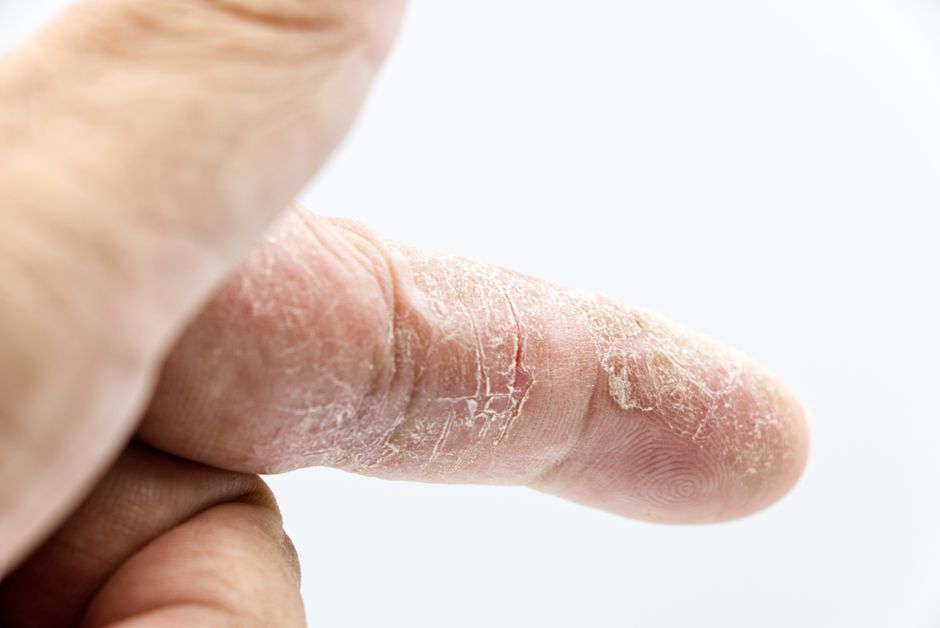
Dyshidrotic eczema causes small, intensely itchy blisters on the palms of your hands and the soles of your feet. You can treat it at home by keeping the area dry, using cool compresses, and applying over-the-counter corticosteroid creams to reduce inflammation. While home care can calm a flare-up quickly, severe cases often need a doctor’s prescription treatment.
What Is Dyshidrotic Eczema and Why Do Blisters Form?
Dyshidrotic eczema, also called pompholyx, is a specific type of hand and foot eczema. It produces deep-seated blisters that look like tapioca pearls. These blisters usually appear on the sides of your fingers, your palms, and the soles of your feet.
The blisters form because of inflammation in the skin. The immune system overreacts to a trigger, causing fluid to build up between skin layers. This fluid accumulation creates the characteristic small blisters. The condition is not contagious, and it is not caused by poor hygiene.
Flare-ups often come in waves. Blisters can last three to four weeks before drying out and peeling. During the peeling phase, the skin becomes raw and sensitive. Some people experience only mild itching, while others find the itching so severe it interferes with sleep and daily tasks.
How To Treat Dyshidrotic Eczema At Home Fast
The fastest way to calm a dyshidrotic eczema flare-up is to reduce inflammation and keep the skin dry. Start with cool compresses. Soak a clean cloth in cool water, wring it out, and hold it against the affected area for 15 minutes, two to three times a day. This cools the skin, reduces itching, and helps dry out blisters.
Over-the-counter hydrocortisone cream is the next step. A 1% hydrocortisone cream can reduce inflammation and itching. Apply a thin layer to the blistered areas once or twice daily. Do not use it on broken or infected skin. If the blisters have burst, skip the cream and focus on keeping the area clean and dry.
After applying cream, cover the area with a cotton glove or sock. This helps the medication absorb and protects the skin. Cotton gloves also prevent scratching, which is important because scratching can break blisters and increase infection risk.
For intense itching, an oral antihistamine can help. Antihistamines like diphenhydramine reduce itching but also cause drowsiness, making them a good choice at night. Non-drowsy antihistamines such as loratadine may provide milder itch relief during the day.
What Triggers Dyshidrotic Eczema Flare-Ups?
Identifying your triggers is essential for preventing future flare-ups. The most common triggers include excessive sweating, heat, stress, and contact with certain metals or chemicals.
Nickel and cobalt are the metals most often linked to dyshidrotic eczema. Some people react to nickel in jewelry, belt buckles, or even in foods like chocolate, nuts, and shellfish. Cobalt is found in some vitamins and in certain blue pigments. If you notice flare-ups after eating these foods, discuss it with your doctor.
Frequent hand washing and exposure to harsh soaps can also trigger flare-ups. The skin barrier becomes compromised, allowing irritants to penetrate more easily. Many people find their eczema worsens in hot, humid weather because sweating aggravates the condition.
Stress is a well-documented trigger. When stress levels rise, the immune system becomes more reactive, increasing inflammation. Managing stress through exercise, adequate sleep, or relaxation techniques can reduce flare frequency for some people.





Home Care Routine That Prevents Flare-Ups
A consistent daily routine is more effective than treating flare-ups after they start. The goal is to protect the skin barrier and avoid triggers before inflammation begins.
Use lukewarm water when washing your hands, not hot water. Hot water strips natural oils from the skin and worsens dryness. Pat your hands dry with a soft towel instead of rubbing. Apply a thick moisturizer immediately after washing while the skin is still slightly damp.
Choose fragrance-free moisturizers that contain ceramides or petrolatum. These ingredients help repair the skin barrier. Avoid lotions with added fragrances, dyes, or alcohol, as these can irritate sensitive skin.
Wear gloves for household chores. Use vinyl gloves for wet work like washing dishes, and cotton gloves underneath if the vinyl causes sweating. Avoid latex gloves, as some people with eczema also develop latex sensitivity.
When washing dishes or cleaning, use mild, fragrance-free soaps. Wear protective gloves whenever your hands will be in contact with water, detergents, or cleaning chemicals. For people whose work requires frequent hand washing, carrying a personal moisturizer and applying it after every wash is important.
When Home Treatment Is Not Enough
Home treatment works for mild to moderate flare-ups. But some cases require medical intervention. If blisters become large, extremely painful, or spread beyond your hands and feet, see a doctor.
Signs of infection require immediate medical attention. These signs include increased redness, warmth, swelling, pus, or red streaks extending from the blistered area. A fever alongside a flare-up also warrants a doctor visit.
Doctors can prescribe stronger treatments when over-the-counter options fail. Prescription-strength corticosteroids, either as creams or oral medications, are common first-line treatments. For chronic cases, doctors may recommend light therapy or topical calcineurin inhibitors, which are non-steroid options that suppress inflammation.
If your blisters keep returning despite good home care, a dermatologist can help identify specific triggers and create a long-term management plan. Allergy testing may be recommended if a metal or other contact allergen is suspected.
Mistakes That Make Dyshidrotic Eczema Worse
Some common home remedies actually worsen the condition. Popping or draining blisters is the biggest mistake. This opens the skin to bacterial infection and slows healing. The fluid inside blisters is not harmful, and the blisters will resolve on their own.
Avoid soaking your hands in apple cider vinegar or bleach baths. These popular internet remedies can severely irritate already inflamed skin. The evidence supporting them is limited, and the risk of chemical burns is real.
Do not use harsh exfoliating scrubs on blistered skin. The skin is already compromised, and scrubbing removes the protective outer layer, increasing pain and infection risk. Similarly, avoid adhesive bandages directly on blisters, as removing them can tear the skin.
Skipping moisturizer because the skin feels wet is also a mistake. Even when blisters are present, the surrounding skin needs hydration. Use a lightweight, oil-free moisturizer if heavy creams feel uncomfortable during a flare.
How Long Does a Dyshidrotic Eczema Flare Last?
A single flare typically lasts two to four weeks. The blisters fill, dry out, and peel over this period. With prompt treatment, the itching and blistering can be controlled sooner, but the skin needs time to heal fully.
After the blisters dry, the skin may peel for another week or two. During this time, the new skin underneath is sensitive and easily irritated. Continue using moisturizer and avoid harsh soaps during this healing phase.
Some people experience frequent recurrences. If you have more than two or three flare-ups per year, talk to a dermatologist about preventive treatments. Identifying and avoiding your personal triggers is the most effective long-term strategy.
Frequently Asked Questions
Can I pop dyshidrotic eczema blisters?
No, never pop the blisters. Popping them opens the skin to bacterial infection and makes healing take longer.
Is dyshidrotic eczema contagious?
No, dyshidrotic eczema is not contagious. It is an inflammatory skin condition, not an infection, so it cannot spread to other people.
What foods should I avoid with dyshidrotic eczema?
Some people react to foods high in nickel or cobalt, such as chocolate, nuts, shellfish, and soy. If you notice flare-ups after eating these foods, discuss elimination with your doctor.
Does dyshidrotic eczema go away permanently?
The condition can go into long periods of remission, but it often recurs. Many people manage it effectively by avoiding triggers and maintaining a consistent skin care routine.
