
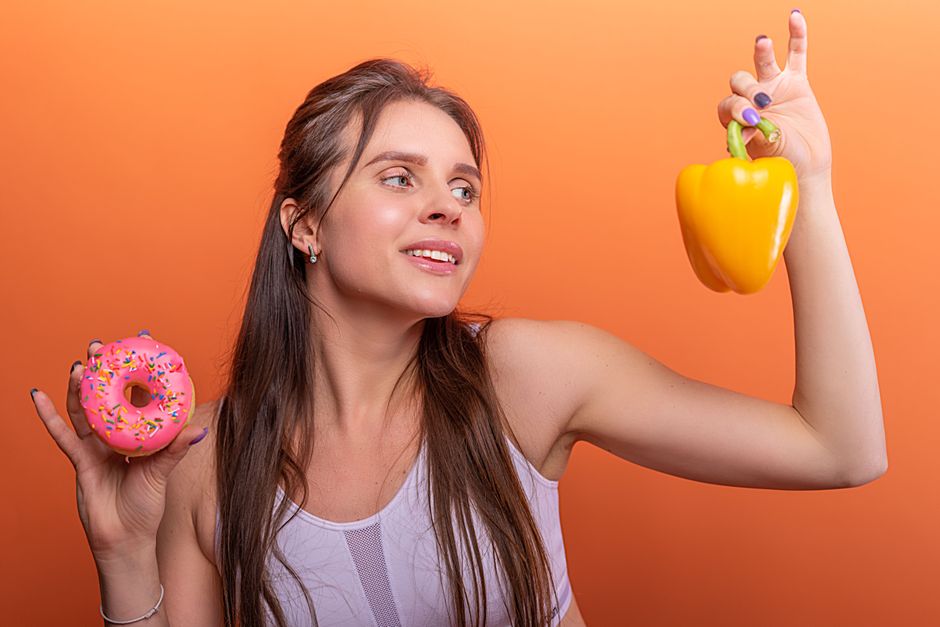
Diverticulosis is incredibly common, especially after age 50, and most people never even know they have it. The condition means you have small bulging pouches in the lining of your digestive system, most often in the lower part of the large intestine. For most people, the key to managing it is not a complicated medical plan—it is a consistent approach to diet and lifestyle that keeps your stool soft and your bowel movements regular. While diet cannot make the pouches disappear, it is the most effective tool you have to prevent them from becoming inflamed or infected, a condition called diverticulitis.
What Is the Difference Between Diverticulosis and Diverticulitis?
Diverticulosis is the presence of the pouches themselves. It is usually harmless and causes no symptoms. Many people discover they have it after a routine colonoscopy for an unrelated reason.
Diverticulitis is when those pouches become inflamed or infected. This is the serious version. It causes abdominal pain, often on the lower left side, along with fever, nausea, and changes in bowel habits. Diverticulitis requires medical treatment, which can range from antibiotics to hospitalization in severe cases.
Diet and lifestyle do not cure diverticulosis, but they are the primary strategy for preventing the progression to diverticulitis.
Why Fiber Is the Foundation of a Diverticulosis Diet
The main goal of a diverticulosis diet is to prevent constipation. When stool is hard and compact, your colon has to squeeze harder to move it along. That increased pressure is thought to be what causes the pouches to form in the first place, and it may also irritate existing pouches.
Fiber adds bulk to your stool and absorbs water, which makes it softer and easier to pass. This reduces the pressure inside your colon. Research consistently shows that people who eat a high-fiber diet have a lower risk of developing diverticulitis.
Adults should aim for about 25 to 35 grams of fiber per day. Most Americans get roughly half that amount. If you are not used to a high-fiber diet, increase your intake gradually over several weeks. A sudden jump can cause bloating, gas, and cramping, which can be mistaken for a diverticulitis flare.
Good sources of fiber include:
- Beans, lentils, and chickpeas
- Oats, barley, and quinoa
- Fruits like apples, pears, and berries
- Vegetables like broccoli, carrots, and Brussels sprouts
- Whole grains like brown rice and whole wheat bread
- Nuts and seeds
Fiber only works if you drink enough water. Fiber pulls water into your stool. Without adequate fluid, fiber can actually make constipation worse. Aim for eight to ten cups of fluid per day, and more if you are active or live in a hot climate.
Do You Need to Avoid Nuts, Seeds, and Popcorn?
This is one of the most persistent myths in digestive health. For decades, doctors told patients with diverticulosis to avoid nuts, seeds, popcorn, and foods with small seeds like strawberries or tomatoes. The theory was that these small particles could get trapped in the pouches and cause inflammation.
That theory has been largely abandoned. Large observational studies have found no link between eating nuts, seeds, or popcorn and an increased risk of diverticulitis. In fact, some research suggests that eating nuts and popcorn may actually be associated with a lower risk of diverticulitis.
If you have diverticulosis, you do not need to avoid these foods. The one caveat is if you personally notice that a specific food triggers discomfort for you. Individual tolerance varies, and there is no reason to eat something that consistently causes symptoms.


What to Eat During a Diverticulitis Flare
A diverticulitis flare is a different situation entirely. During an acute episode, your colon is inflamed, and the standard high-fiber advice does not apply. The goal shifts to giving your bowel a rest.
Clinicians often recommend a clear liquid diet for a short period, typically one to three days. This includes broth, clear juices without pulp, gelatin, and water. This is not a long-term plan—it is a temporary measure to reduce irritation while your gut heals.
As symptoms improve, you slowly reintroduce low-fiber foods. Examples include white rice, white bread, refined pasta, and well-cooked vegetables without skins or seeds. You then gradually add fiber back as you recover.
If you have severe pain, fever, or are unable to keep fluids down, do not try to manage this at home. Diverticulitis can lead to serious complications like abscesses or perforation of the bowel. Seek medical care promptly.
How To Treat Diverticulosis With Diet And Lifestyle: Beyond Fiber
Fiber is the centerpiece, but it is not the whole picture. Several lifestyle factors influence how your colon behaves.
Exercise matters. Regular physical activity helps stimulate normal bowel contractions. Studies have found that people who exercise regularly have a lower risk of diverticulitis and diverticular bleeding. You do not need to run marathons. A daily walk of 30 minutes is a reasonable goal.
Red meat is worth limiting. Some research has linked high consumption of red meat, particularly processed meat, with a higher risk of diverticulitis. The reason is not fully understood, but it may relate to how meat protein is fermented in the colon or to the preservatives used in processed meats. Replacing some red meat with poultry, fish, or plant-based proteins is a reasonable adjustment.
Watch your weight. Obesity is consistently associated with a higher risk of diverticulitis. Carrying excess weight, particularly around the abdomen, increases pressure inside the abdomen and on the colon. Weight loss, even modest, may reduce this pressure.
Do not smoke. Smoking is associated with an increased risk of diverticulitis and complications from the disease. If you smoke, quitting is one of the most impactful changes you can make.
Be careful with NSAIDs. Nonsteroidal anti-inflammatory drugs like ibuprofen and naproxen are associated with an increased risk of diverticulitis and diverticular bleeding. Acetaminophen (Tylenol) does not carry this risk. If you need regular pain relief, talk to your doctor about which option is safest for you.
Should You Take a Fiber Supplement?
If you struggle to get enough fiber from food, a supplement is a reasonable backup. Psyllium husk, the active ingredient in products like Metamucil, is the most studied option. It is a soluble fiber that forms a gel in your gut, which helps soften stool and regulate bowel movements.
Start with a small dose and increase gradually. Mix it with plenty of water. Taking psyllium without enough fluid can cause throat or intestinal blockage, which is a medical emergency.
Fiber supplements are not a replacement for a varied diet. Whole foods provide vitamins, minerals, and plant compounds that supplements cannot replicate. But for many people, a supplement is a practical way to reach the daily fiber target.
What Foods Should You Actually Avoid?
For most people with diverticulosis, the list of foods to strictly avoid is short. The old rules about nuts and seeds are outdated. The evidence does not support them.
What matters more is your individual response. Some people find that certain foods cause bloating or gas, which can feel uncomfortable even if it is not dangerous. Common culprits include beans, cabbage, onions, and carbonated drinks. These are not harmful to your colon, but if they cause distress, it is reasonable to limit them.
One food group deserves genuine caution: ultra-processed foods. Diets high in processed meats, refined grains, and sugary snacks are consistently linked to worse digestive health across many studies. These foods are low in fiber and can promote inflammation. They are not a direct cause of diverticulitis, but they displace the fiber-rich foods your colon needs.
Frequently Asked Questions
Can diverticulosis be reversed with diet?
No. Diet cannot make the pouches disappear once they have formed. The goal of diet is to prevent the pouches from becoming inflamed and to reduce symptoms.
Is it safe to eat salad with diverticulosis?
Yes. Raw vegetables and salad greens are safe and encouraged. The old advice to avoid them was based on the outdated theory that small particles could block the pouches, which research has not supported.
How much water should I drink with diverticulosis?
Aim for about eight to ten cups of fluid per day. This is especially important if you are increasing your fiber intake, because fiber needs water to soften stool effectively.
When should I go to the hospital for diverticulitis?
Seek emergency care if you have severe abdominal pain, a fever above 100.4°F, persistent vomiting, or are unable to keep fluids down. These can be signs of a serious infection or a perforated bowel.
Managing diverticulosis is a long game. There is no quick fix and no supplement that reverses the condition. What works is a consistent pattern: adequate fiber, plenty of fluids, regular movement, and avoiding the habits that increase inflammation. These choices will not guarantee you never develop diverticulitis, but they meaningfully reduce your risk. That is the best evidence currently offers.
