
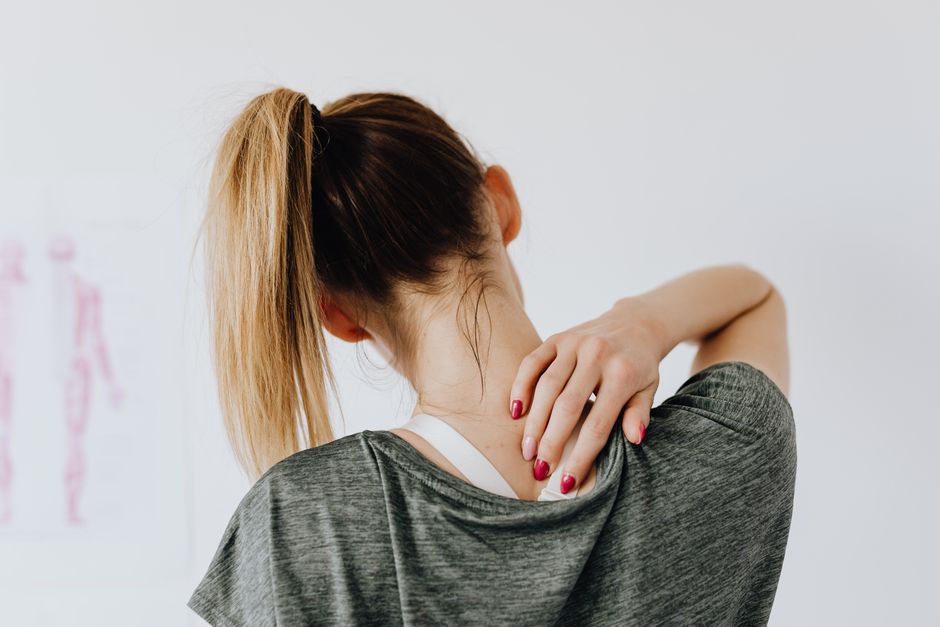
Body aches are one of the most common reasons people reach for a heating pad, a warm bath, or simply a day in bed. The short answer to how to soothe them is this: heat relaxes tense muscle tissue and increases blood flow, rest gives the body time to repair, and both work best when matched to the type of ache you actually have. Cold, gentle movement, hydration, and over-the-counter pain relievers each have a place too — but they are not interchangeable.
What follows is what the evidence supports, what it does not, and how to tell the difference.
Why Do Muscles Feel Achy in the First Place?
Most everyday body aches come from one of a few well-understood processes. Muscle tissue that has been overworked, held in one position too long, or strained develops tiny areas of contraction and mild inflammation. Those areas send signals through nerve endings that the brain reads as soreness, stiffness, or a dull throb.
Delayed onset muscle soreness, the kind that shows up a day or two after unfamiliar exercise, is a normal response to mechanical stress on muscle fibers. It is not damage in any dangerous sense. It peaks and then resolves on its own.
Aches can also come from infection. When the immune system releases signaling molecules called cytokines to fight a virus, those same molecules produce widespread muscle soreness, fatigue, and that heavy feeling in the limbs. This is why a fever and body aches so often travel together. The ache is a symptom of immune activity, not injury to the muscle itself.
Other common sources include joint conditions, poor sleep, dehydration, low levels of certain nutrients, and stress-related muscle tension. Each responds to somewhat different approaches, which is why a single remedy rarely fits every situation.
How Does Heat Actually Help Sore Muscles?
Heat works through two main mechanisms. It causes blood vessels near the skin and in underlying muscle to widen, which increases circulation to the area. It also raises tissue temperature, which reduces the resting tension in muscle fibers and makes them less likely to stay in a contracted, guarded state.
That combination is why heat feels so good on a stiff neck, a tight lower back, or shoulders that have been hunched at a desk. The relief is real. What heat does not do is repair tissue or treat an underlying condition. It manages the symptom.
Moist heat — a warm shower, a damp towel, a bath — tends to penetrate more evenly than dry heat and is often preferred for larger areas. Dry heat from a heating pad or microwaveable pack works well for a focused spot. Either way, the effect is temporary and builds over roughly 15 to 20 minutes of application.
One detail worth knowing: heat is generally the better choice for stiffness and chronic, nagging soreness. Cold is usually the better choice for a fresh injury, a swollen joint, or an area that is hot to the touch. Using heat on acute inflammation can make swelling worse.
Is Heat or Ice Better for Body Aches?
The choice depends on what is happening in the tissue, not on personal preference. The general clinical direction is cold for the first phase of an acute injury and heat for stiffness, chronic pain, and muscle tightness.
- Cold narrows blood vessels, reduces blood flow, and can dull nerve signaling. It is used for new injuries, swelling, and sharp pain.
- Heat widens blood vessels, increases blood flow, and relaxes muscle tissue. It is used for stiffness, chronic aches, and muscle tension.
- Alternating the two is sometimes used for lingering injuries, though the evidence for it being better than either alone is limited.
If you are unsure which applies, ask a simple question. Is the area swollen, hot, or recently injured? Cold. Is it tight, stiff, and achy without swelling? Heat.
Neither should be applied directly to bare skin for extended periods. Both heat packs and ice packs can cause burns or skin damage if left on too long or used at extreme temperatures. A barrier such as a towel and a time limit of about 15 to 20 minutes per session is standard practice.




How Does Rest Fit Into Recovery?
Rest gives the body room to do what it already knows how to do. During sleep, the body releases growth hormone and carries out much of its tissue repair. Short-term rest also prevents a strained area from being repeatedly aggravated.
The distinction between rest and inactivity matters. Rest means reducing load on the affected area. Inactivity means stopping movement altogether, and for most muscle aches that is not helpful. Prolonged bed rest can lead to stiffness, loss of strength, and slower recovery.
For a viral illness with body aches, rest is genuinely important because the immune system is doing heavy work. For a muscle strain or overuse ache, gentle movement within a comfortable range usually helps more than complete stillness. The general rule is to stay below the threshold that causes sharp pain.
Sleep quality deserves particular attention. Poor sleep is associated with increased pain sensitivity, and chronic short sleep tends to make aches feel worse. This relationship runs in both directions — pain disrupts sleep, and poor sleep amplifies pain.
What Else Helps Soothe Body Aches?
Several low-risk measures have reasonable support behind them.
Hydration. Muscle tissue depends on adequate fluid and electrolyte balance to function normally. Dehydration can contribute to cramping and soreness, though it is rarely the sole cause of widespread aches.
Gentle movement. Light stretching, walking, or swimming keeps blood flowing and prevents stiffness from setting in. Movement should be comfortable, not pushing into pain.
Over-the-counter pain relievers. Medications such as acetaminophen and nonsteroidal anti-inflammatory drugs like ibuprofen are commonly used for aches and are effective for many people. They carry real risks, including liver effects with acetaminophen and stomach or kidney effects with NSAIDs, especially with long-term use or in people with certain conditions. Follow the label and check with a clinician if you take other medications or have underlying health issues.
Massage. Some studies suggest massage can reduce perceived soreness and improve short-term comfort after exercise. The effect is modest and temporary.
Epsom salt baths. This is a popular remedy with very little supporting evidence. The idea is that magnesium absorbs through the skin, but the amount that actually crosses the skin barrier is generally considered negligible. The warm water itself likely explains most of the benefit.
When Should Body Aches Be a Concern?
Most body aches are self-limiting and improve within a few days to a couple of weeks. Some patterns warrant medical attention.
Seek care if aches come with a high fever that will not come down, severe or worsening pain, redness or swelling in a single area, difficulty breathing, chest pain, a rash, or muscle weakness. Widespread muscle pain with dark urine after intense exertion is a rare but serious emergency and needs immediate evaluation.
Aches that persist for weeks without explanation, or that come with unintentional weight loss or night sweats, should also be evaluated. These can point to conditions that need diagnosis rather than home treatment.
One clarification worth making: soreness after exercise that fades in a few days is normal. Pain that appears suddenly during activity, is sharp, or limits movement is not the same thing and should be assessed.
Can You Prevent Body Aches Before They Start?
Some prevention is straightforward. Warming up before exercise and increasing activity gradually both reduce the strain that leads to soreness. Staying hydrated and getting consistent sleep support normal muscle function.
For desk-related aches, changing position regularly matters more than any single posture. Holding one position, even a good one, for hours is what tends to cause trouble. Standing, stretching, and shifting every so often keeps tissue from settling into a guarded state.
None of this eliminates aches entirely. It reduces how often they occur and how long they last.
Frequently Asked Questions
How long should you leave a heating pad on sore muscles?
About 15 to 20 minutes per session is the standard guidance, always with a cloth barrier between the pad and your skin. Leaving heat on longer or using it while you sleep can cause burns even at moderate settings.
Should you use heat or ice for body aches from a cold or flu?
For the widespread, achy feeling of a viral illness, heat on specific tight areas and rest are generally more useful than cold. Cold is better suited to a fresh injury or a swollen, hot joint.
Does an Epsom salt bath actually help sore muscles?
The evidence that magnesium absorbs through the skin in meaningful amounts is very weak. Any relief is most likely from the warm water and the relaxation of taking a bath.
How long do body aches usually last?
Most muscle soreness from overuse or exercise fades within a few days, and viral body aches typically ease as the illness resolves. Aches lasting weeks without a clear cause should be checked by a clinician.
