
A callus on your big toe is thickened, hardened skin your body builds to protect itself from repeated pressure or friction. Treatment starts with removing the cause — usually ill-fitting shoes or a mechanical issue with how you walk — and then gently thinning the dead skin. Prevention means reducing that pressure before the skin thickens again, and for some people that means padding, footwear changes, or professional care for the underlying foot problem.
What Exactly Is a Callus on the Big Toe?
A callus is your skin’s response to friction. When the same spot on your toe rubs against something repeatedly, the outer layer of skin — the epidermis — thickens in that area to cushion the pressure.
That thickening is called hyperkeratosis. It is not a disease. It is a normal protective response that becomes a problem when the buildup gets thick enough to hurt, crack, or interfere with walking.
A callus is different from a corn. Corns are smaller, have a hard center, and tend to form on or between the toes where there is a bony prominence. Calluses are broader and flatter and usually form on the bottom or side of the big toe where it bears weight.
Both are made of the same keratin. The difference is mostly about shape and location. That matters because treatment approaches overlap but are not identical.
What Causes Calluses on the Big Toe?
Pressure and friction cause calluses. The big toe takes a large share of that pressure every time you step.
During a normal walking stride, the big toe is the last part of the foot to leave the ground. It pushes off and carries a significant load. If anything changes how that load is distributed, the skin responds.
Common causes include:
- Shoes that are too tight in the toe box, which press the toe against the upper or against other toes
- Shoes that are too loose, letting the foot slide and the toe rub with each step
- High heels, which shift body weight forward onto the toes
- Bunions (hallux valgus), a bony bump at the base of the big toe that changes how the toe contacts the shoe
- Foot shape — a long big toe or a high arch changes where pressure lands
- Gait changes from an old injury, arthritis, or leg-length differences
- Repetitive activity such as running, hiking, or standing for long shifts
Here is something worth knowing: a callus on the big toe is often a symptom, not the problem itself. If your shoes fit well and you still keep getting one in the same spot, something about your foot mechanics is likely driving it. Treating the skin without addressing that will usually mean the callus comes back.
How To Treat And Prevent Calluses On Your Big Toe
Treatment has two parts. Remove the built-up skin, and remove the force that created it. Skipping the second part is why calluses return.
Soaking and gentle filing
Soak the foot in warm water for about 10 to 15 minutes to soften the skin. Then use a pumice stone or a foot file to gently reduce the thickened area.
Work slowly. Filing too aggressively can remove healthy skin underneath and cause bleeding or infection. Stop when the skin feels smoother, not when it looks perfect.
Do not use a blade, callus shaver, or anything sharp at home. This is a common cause of cuts and infection, especially in people with diabetes or poor circulation.
Moisturizing
After filing, apply a thick moisturizer or an ointment containing urea or salicylic acid. These ingredients help soften keratin and are widely used in over-the-counter callus products.
Salicylic acid works by breaking down the protein bonds in thickened skin. It is effective for many people, but it should not be used on broken skin, and it should be avoided by anyone with diabetes or circulation problems unless a clinician says otherwise.
Padding and shoe changes
This is where most of the long-term benefit comes from. Options include:
- Wider toe boxes with a rounded or square shape
- Donut-shaped pads or gel cushions placed around the callus to shift pressure away
- Orthotic inserts, either over-the-counter or custom-made, to redistribute weight across the foot
- Seamless socks that reduce friction
Custom orthotics are often recommended, but the evidence on how well they work for callus prevention specifically is not strong. Some studies suggest they help reduce pressure, but results vary. They are reasonable to try, especially if the callus keeps returning.
When to see a professional
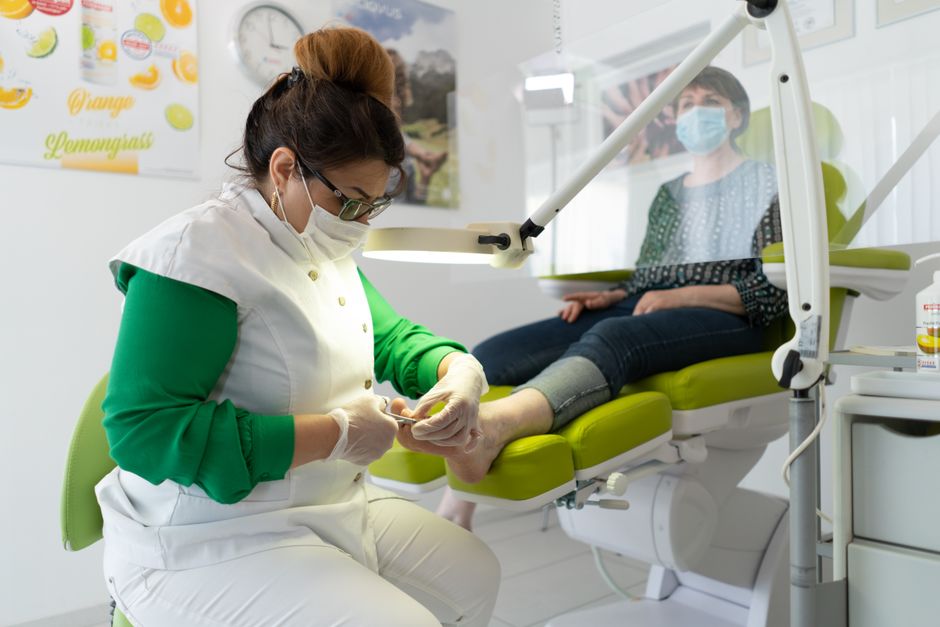
A podiatrist can safely pare down a thick callus with a scalpel and evaluate why it formed. This is especially important if you have diabetes, peripheral artery disease, or nerve damage in your feet.
For people with diabetes, foot care is not a do-it-yourself project. Reduced sensation means you may not feel a cut or infection developing. Established clinical guidance is clear that a podiatrist or other foot care specialist should handle calluses and any other foot lesions in this group.





Why Do Calluses Keep Coming Back?
Calluses return because the pressure that caused them never changed. The skin regrows in the same pattern.
Think of it as a feedback loop. Your foot pushes against a shoe or the ground in a specific way. The skin thickens to protect itself. The thickened skin may then change how the toe fits in the shoe, sometimes creating even more pressure.
Breaking that loop usually requires changing something structural — the shoe, the insert, or the way weight is distributed. Filing alone treats the surface.
If a callus returns within weeks of treatment, that is a signal that the underlying cause has not been addressed. A podiatrist can assess gait, foot structure, and shoe fit to find it.
When Is a Callus Something More Serious?
A callus is usually harmless. But some skin changes that look like calluses are not calluses.
See a clinician if you notice:
- Bleeding, drainage, or a foul odor
- Redness, warmth, or swelling around the area
- Pain that gets worse rather than better
- A sore that does not heal
- A growth that changes in size, color, or shape
An ulcer — an open sore — can form under a callus, especially in people with diabetes or poor circulation. This is a medical concern and needs prompt care.
Some skin cancers, including squamous cell carcinoma, can look like a callus or a wart. This is uncommon, but it is one reason a callus that does not respond to treatment should be looked at by a professional.
Can You Prevent Calluses on the Big Toe?
Prevention works best when it starts before the skin thickens. The main lever is reducing pressure and friction.
Shoe fit matters most. Look for:
- A thumb’s width of space between your longest toe and the front of the shoe
- A toe box that matches the shape of your foot, not one that tapers
- Heel counters that hold the foot steady so it does not slide
- Low heels for daily wear
Measure your feet periodically. Foot size changes with age, weight, and pregnancy. Many people wear shoes a half size too small without realizing it.
If you have a bunion or another structural issue, talk to a clinician about options. Padding, orthotics, and in some cases surgery can reduce the pressure that drives callus formation. Surgery is not a first-line approach and carries its own risks, so it is usually considered only when other measures fail and symptoms are significant.
For people who stand or walk for a living, cushioned insoles and rotating footwear can help reduce cumulative pressure. There is no strong evidence that any single insole design prevents calluses in everyone, but reducing peak pressure is a reasonable goal.
Frequently Asked Questions
Can I cut off a callus on my big toe?
No. Cutting or shaving a callus at home with a blade can cause bleeding, infection, and damage to healthy skin. Use a pumice stone or file after soaking, or see a podiatrist for safe removal.
How long does it take for a callus on the big toe to go away?
With consistent soaking, filing, and pressure relief, the thickened skin can soften over several weeks. If the underlying pressure is not addressed, the callus will usually return.
There is no single timeline that applies to everyone. Healing depends on how thick the callus is, how much pressure the toe still bears, and whether you have conditions like diabetes that slow skin recovery.
Are calluses on the big toe a sign of something serious?
Most calluses are not serious and simply reflect repeated pressure. However, a callus that bleeds, does not heal, or forms an open sore underneath needs medical evaluation.
Should people with diabetes treat calluses on their own?
No. People with diabetes should have foot calluses and other lesions managed by a podiatrist or foot care specialist. Reduced sensation and circulation make home treatment risky.
