
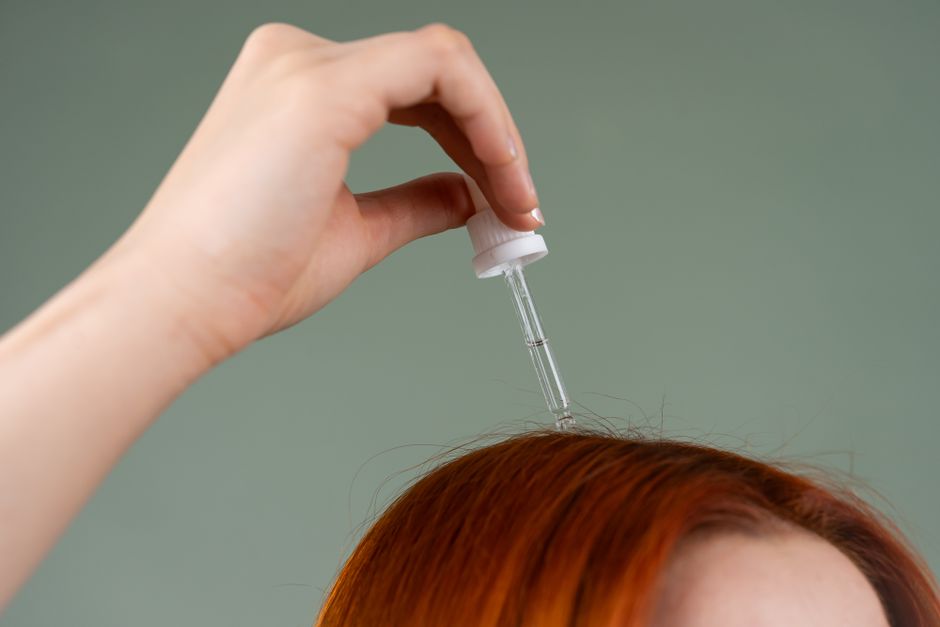
Alopecia areata is an autoimmune condition in which the body’s immune system attacks its own hair follicles, causing sudden patches of hair loss that can range from a single coin-sized spot to total scalp or body hair loss. Treatment depends on how much hair has been lost, how fast it is progressing, and the person’s age. Options range from topical corticosteroids for small patches to oral Janus kinase (JAK) inhibitors for severe, widespread disease.
There is no permanent cure. But many people regrow hair, sometimes without treatment, and the past decade has brought the first FDA-approved medications specifically for this condition. This guide walks through what is used at each severity level, what the evidence actually shows, and where uncertainty remains.
What Is Alopecia Areata and How Is Severity Determined?
Alopecia areata is an autoimmune disease. Immune cells — mainly T cells — mistakenly target the hair follicle, disrupting its growth cycle and pushing hairs into a resting state. The follicles are not destroyed. That is why regrowth is possible, even after years.
Doctors generally describe the condition in three broad categories:
- Mild: One or a few small patches on the scalp, usually under a few centimeters each, with no active spreading.
- Moderate: Multiple patches, patches that keep expanding, or involvement of eyebrows, eyelashes, or beard area.
- Severe: Extensive scalp involvement, alopecia totalis (complete scalp hair loss), or alopecia universalis (loss of all body hair).
Severity is not just about the number of patches. Speed of progression, whether the condition keeps coming back, and how much it affects daily life all factor into treatment decisions. Some clinicians also consider the “SALT score” — a tool that estimates the percentage of scalp surface affected — when judging severity, though it is used more in research than in routine practice.
It is worth knowing that alopecia areata is not the same as androgenetic alopecia (pattern baldness) or telogen effluvium (stress-related shedding). The treatments are different, and using the wrong one wastes time.
How Is Mild Alopecia Areata Treated?
For small, limited patches, the first-line treatment is usually a topical corticosteroid — a prescription-strength cream, lotion, or foam applied directly to the affected area. These medications suppress the local immune response around the follicle.
Clobetasol propionate is one of the most commonly prescribed. It is a potent steroid, and it is generally used for limited periods because long-term use can thin the skin. Some clinicians also inject corticosteroids directly into the patch (intralesional injections), typically every few weeks. This approach is widely used and has been for decades, though the evidence base for it is smaller than many people assume.
Minoxidil, applied to the scalp, is sometimes used alongside steroids. It does not address the autoimmune cause, but it can support hair growth. Its role in alopecia areata specifically is less well established than its role in pattern baldness.
An important point: many small patches regrow on their own within several months without any treatment. Because of this, some doctors take a watch-and-wait approach for a first, small patch — especially in children. This is not neglect. It reflects the natural history of the disease.
What Changes at the Moderate Stage?
When patches keep appearing, keep expanding, or involve visible areas like eyebrows and eyelashes, topical treatment alone often is not enough. At this stage, doctors may add:
- Intralesional steroid injections across multiple areas
- Topical immunotherapy with contact sensitizers such as diphenylcyclopropenone (DPCP), which triggers a controlled allergic reaction on the scalp that may shift the immune response away from the follicles
- Oral corticosteroids for short courses in rapidly progressing cases
Topical immunotherapy has been used for decades, particularly in Europe and in pediatric dermatology. It requires regular clinic visits and can cause itching, blistering, or discoloration. Response rates vary widely between patients, and the evidence from controlled trials is limited.
Oral corticosteroids can slow active spreading, but they carry real risks with prolonged use — weight gain, high blood sugar, bone loss, and suppression of the adrenal glands. They are generally used as short-term bridges, not long-term solutions. This is a case where the treatment itself can cause more harm than the condition if used carelessly.





How Are Severe Cases Treated Now?
The biggest change in alopecia areata treatment in recent years is the arrival of oral JAK inhibitors. These drugs block specific immune signaling pathways (JAK-STAT) involved in the attack on hair follicles.
Baricitinib was approved by the FDA for severe alopecia areata in adults in 2022. Ritlecitinib was approved in 2023 for people aged 12 and older. Both were studied in randomized controlled trials, and a meaningful share of participants achieved significant scalp hair regrowth — though not everyone responded, and results varied.
These are not simple medications. JAK inhibitors carry boxed warnings for serious infections, cancer, and cardiovascular events, and they require monitoring. They are typically prescribed by dermatologists experienced with the condition. They are also expensive, and insurance coverage can be difficult.
Other options for severe disease include:
- Oral minoxidil (low-dose), used off-label, sometimes in combination with other treatments
- Methotrexate, an immunosuppressant used off-label, mainly in children and when JAK inhibitors are not an option
- Phototherapy or other investigational approaches in specialist settings
No treatment works for everyone. A realistic goal in severe cases is often partial regrowth rather than full restoration, and some people do not respond at all.
Do Home Remedies or Diet Changes Help?
There is no diet, supplement, or topical home remedy that has been shown in controlled trials to treat alopecia areata. That includes onion juice, garlic, rosemary oil, biotin, zinc, and vitamin D — all of which appear in online advice.
Some of these have plausible mechanisms or small studies behind them, but the evidence is not strong enough to recommend them as treatment. Biotin deficiency is rare and supplementing it in people who are not deficient has not been shown to regrow hair in this condition.
Stress is often blamed for triggering alopecia areata. The relationship is not well understood. Some research suggests stressful life events may precede flare-ups in some people, but the evidence is inconsistent, and stress alone does not explain the autoimmune mechanism.
What does help: protecting the scalp from sunburn, using gentle hair care, and getting support for the emotional impact. Hair loss of any kind affects self-image and mental health, and that is a legitimate part of the condition to address.
What About Children and Pregnancy?
Treatment in children follows similar principles but with more caution. Topical corticosteroids and topical immunotherapy are commonly used. Intralesional injections are often avoided because they can be painful and are less well studied in young children.
Ritlecitinib is approved for ages 12 and older. Baricitinib is approved for adults. For younger children, treatment options are more limited, and no clinical guidelines currently exist for JAK inhibitor use in children under 12.
In pregnancy, the situation is genuinely uncertain. Many treatments are avoided or used with caution because their safety during pregnancy has not been established. Some clinicians use limited topical steroids. Anyone who is pregnant or breastfeeding should discuss treatment with both a dermatologist and an obstetrician — no general guidance can substitute for that conversation.
What Is the Outlook?
The course of alopecia areata is unpredictable. Some people have one episode and never have another. Others cycle through periods of loss and regrowth for years. A smaller group has persistent, extensive disease.
Several factors are associated with a lower chance of regrowth: long duration of the current episode, extensive involvement at the start, and certain patterns of hair loss at the edges of the scalp (called ophiasis). But these are tendencies, not certainties, and individual outcomes vary widely.
One non-obvious point: the follicles usually remain alive even in long-standing alopecia areata. That is why regrowth is still possible after years, and why researchers continue to look for treatments that can wake those follicles back up. It also means that “the follicle is dead” is a myth worth discarding.
Frequently Asked Questions
Can alopecia areata go away on its own?
Yes. Many small patches regrow without treatment, often within several months. That is one reason doctors sometimes wait before starting therapy in mild cases.
Is there a cure for alopecia areata?
No cure currently exists. Treatments can help regrow hair and slow progression, but the condition can return after treatment stops.
What is the newest treatment for severe alopecia areata?
Oral JAK inhibitors such as baricitinib and ritlecitinib are the newest FDA-approved options for severe disease. Both carry serious risks and require medical monitoring.
Does stress cause alopecia areata?
The evidence is mixed. Some studies suggest stressful events may precede flare-ups, but stress alone does not explain the autoimmune mechanism behind the condition.
