
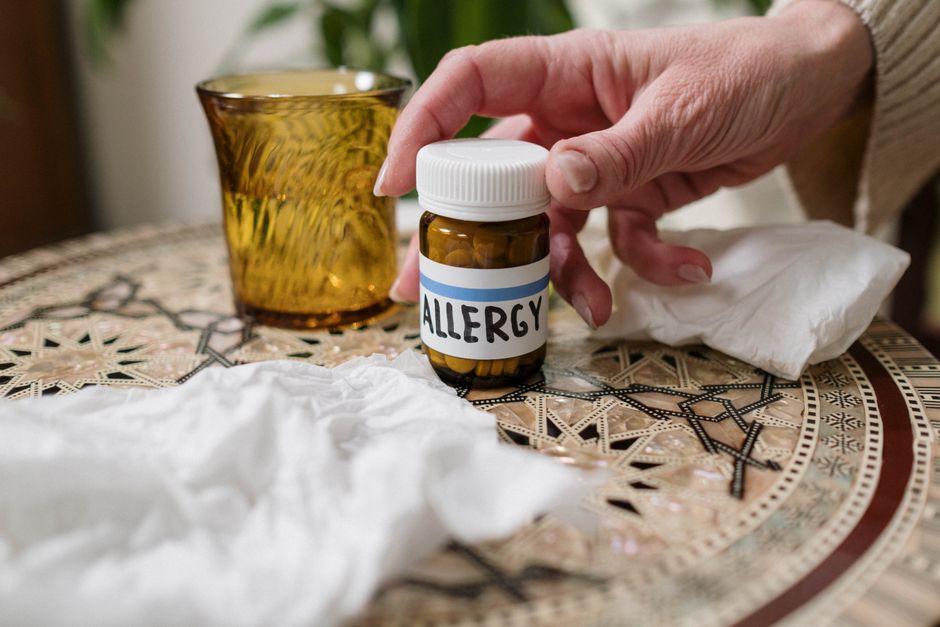
Allergic conjunctivitis is inflammation of the clear membrane covering the white of your eye and the inside of your eyelids, triggered by allergens like pollen, dust mites, or pet dander. Most cases can be managed with over-the-counter antihistamine or mast cell stabilizer eye drops, artificial tears, and cold compresses. When those are not enough, a doctor may prescribe stronger topical medications, and in some cases short-term steroid drops or other prescription options are used under medical supervision.
What Causes Allergic Conjunctivitis?
The reaction starts when an allergen touches the surface of your eye. For people who are sensitized to that allergen, immune cells in the conjunctiva release histamine and other inflammatory chemicals. Histamine is what produces the itching, redness, and tearing that define the condition.
This is why allergic conjunctivitis is almost always itchy. Itching is the hallmark symptom. If your eyes are red and irritated but not itchy, another cause is more likely.
Common triggers include:
- Tree, grass, and weed pollen (seasonal)
- Dust mites, mold spores, and pet dander (year-round)
- Cosmetics, perfumes, and contact lens solutions
Seasonal allergic conjunctivitis tends to flare during specific pollen seasons. Perennial allergic conjunctivitis persists year-round and is often linked to indoor allergens. Both respond to similar treatment approaches.
How Do You Know It Is Allergic Conjunctivitis and Not Something Else?
Allergic conjunctivitis usually affects both eyes. The itching is the key distinguishing feature. You may also notice watery discharge, mild swelling of the eyelids, and redness that comes and goes with allergen exposure.
Bacterial conjunctivitis typically causes thicker, colored discharge and often starts in one eye. Viral conjunctivitis tends to produce watery discharge and can start in one eye before spreading, frequently after a cold or upper respiratory infection. Neither bacterial nor viral conjunctivitis is typically intensely itchy the way allergic conjunctivitis is.
If you have pain, light sensitivity, blurred vision that does not clear when you blink, or a feeling that something is stuck in your eye, those are reasons to see a doctor rather than self-treat. These symptoms suggest something other than simple allergic conjunctivitis.
How To Treat Allergic Conjunctivitis: OTC to Rx
Treatment follows a stepwise approach. Start with the least invasive measures and move up only if symptoms are not controlled.
Step 1: Avoidance and Cold Compresses
Reducing exposure to the allergen is the most direct way to reduce symptoms. Keep windows closed during high pollen days. Use air conditioning with a clean filter. Wash bedding in hot water to reduce dust mites. If pets are the trigger, keeping them out of the bedroom can help.
A cold compress over closed eyes can reduce swelling and soothe itching. This is a comfort measure, not a treatment for the underlying allergic response, but it is safe and often helps.
Step 2: Artificial Tears
Preservative-free artificial tears can physically rinse allergens off the eye surface. Using them after outdoor exposure may reduce symptoms. They do not block histamine, but they dilute and remove the allergen. This is a reasonable first step for mild cases.
Step 3: OTC Antihistamine Eye Drops
Over-the-counter antihistamine eye drops containing ketotifen or olopatadine are among the most effective OTC options. These are actually antihistamine and mast cell stabilizer combinations. They block histamine receptors and also prevent mast cells from releasing more histamine.
These drops typically take a few minutes to relieve itching and last for several hours. They are generally used one to two times daily depending on the specific product. Follow the package instructions.
Ketotifen and olopatadine OTC drops are not the same as oral antihistamines. Oral antihistamines like loratadine, cetirizine, or fexofenadine can help with systemic allergy symptoms but may not relieve eye symptoms as effectively. They can also dry out the eyes, which sometimes makes irritation worse.
Step 4: Prescription Options
If OTC drops do not control symptoms, a doctor may prescribe stronger versions of the same drug classes or different medications. Prescription antihistamine-mast cell stabilizer drops are available at higher concentrations than OTC versions.
NSAID eye drops are sometimes prescribed for allergic conjunctivitis. Evidence for their effectiveness is mixed, and they are not typically a first choice.
Corticosteroid eye drops are effective at reducing inflammation but carry real risks with prolonged use, including increased eye pressure, cataract formation, and increased susceptibility to infection. They are generally used short-term under close medical supervision, not as a routine treatment for seasonal allergies.
For severe or chronic cases, particularly vernal keratoconjunctivitis or atopic keratoconjunctivitis, which are more serious forms, immunosuppressant drops such as cyclosporine may be prescribed. These conditions require specialist care.
Allergy shots (immunotherapy) may be recommended for people with severe seasonal allergies that are difficult to control with medication. This is a long-term treatment that can reduce sensitivity to specific allergens over time.





What About Oral Antihistamines?
Oral antihistamines can help with allergy symptoms that affect more than just the eyes, such as sneezing, runny nose, and sinus congestion. For eye symptoms alone, topical drops are generally more effective because they deliver the medication directly to the affected tissue.
Some oral antihistamines cause drowsiness. First-generation antihistamines like diphenhydramine are more likely to cause sedation than second-generation options like loratadine or fexofenadine. If you take an oral antihistamine for eye symptoms, a non-sedating option is usually preferred during the day.
One non-obvious point: oral antihistamines can reduce tear production, which may worsen eye dryness and irritation in some people. If your eyes feel drier after starting an oral antihistamine, that is a known possible effect.
Can You Use Regular Allergy Eye Drops Long-Term?
OTC antihistamine-mast cell stabilizer drops like ketotifen and olopatadine are generally considered safe for extended use during allergy season. They do not carry the same risks as steroid drops.
Decongestant eye drops, which contain ingredients like tetrahydrozoline or naphazoline, are different. These constrict blood vessels to reduce redness. They are not treating the allergy itself. Using them for more than a few days can lead to rebound redness, a condition called rebound conjunctival hyperemia. When you stop, the redness comes back worse. These drops are not a good long-term solution for allergic conjunctivitis.
If you find yourself needing redness-relief drops every day, that is a sign to see a doctor about a better treatment approach.
When Should You See a Doctor?
See an eye doctor or healthcare provider if:
- Symptoms do not improve with OTC treatment after a reasonable trial
- You have eye pain, light sensitivity, or vision changes
- Only one eye is affected and symptoms are worsening
- You have thick, colored discharge
- You have a known eye condition like glaucoma or a history of eye surgery
- You wear contact lenses and develop redness or irritation
Contact lens wearers need to be especially careful. Allergic conjunctivitis can make contact lens wear uncomfortable, and wearing lenses during a flare can increase the risk of complications. Your eye doctor can advise on whether to switch to glasses temporarily or change your lens routine.
What Helps Prevent Allergic Conjunctivitis Flares?
Prevention focuses on reducing allergen exposure and starting treatment early when exposure is unavoidable.
- Check pollen counts and limit outdoor time on high-count days
- Wear wraparound sunglasses outdoors to reduce pollen contact with eyes
- Use allergen-proof covers on pillows and mattresses
- Shower and change clothes after spending time outdoors during pollen season
- Keep indoor humidity below 50% to reduce mold and dust mites
- Start allergy eye drops before your typical allergy season begins if you know your triggers
Starting treatment early is more effective than waiting for symptoms to become severe. Once inflammation is established, it takes more medication to bring it under control.
Is Allergic Conjunctivitis Dangerous?
Simple allergic conjunctivitis does not damage the eye or cause vision loss. It is uncomfortable but not dangerous.
However, some forms are more serious. Vernal keratoconjunctivitis and atopic keratoconjunctivitis can involve the cornea and, if untreated, may lead to vision problems. These conditions are more common in people with severe atopic disease and require specialist care.
Rubbing your eyes vigorously can also cause problems. Chronic eye rubbing is associated with a condition called keratoconus, where the cornea thins and changes shape. This is another reason to treat the itching rather than rub.
Frequently Asked Questions
What is the best over-the-counter eye drop for allergic conjunctivitis?
Antihistamine-mast cell stabilizer drops containing ketotifen or olopatadine are generally considered the most effective OTC option for allergic conjunctivitis. They treat the underlying allergic response rather than just reducing redness.
Can I use regular allergy eye drops every day?
OTC antihistamine-mast cell stabilizer drops are generally safe for daily use during allergy season. Decongestant drops should not be used for more than a few days because they can cause rebound redness.
How long does allergic conjunctivitis last?
It lasts as long as you are exposed to the allergen. Seasonal cases may persist for weeks during pollen season. Perennial cases can last year-round if the indoor allergen is not removed.
When should I see a doctor for allergic conjunctivitis?
See a doctor if OTC treatment does not control your symptoms, if you have eye pain or vision changes, or if only one eye is affected and getting worse. These signs suggest something other than simple allergic conjunctivitis.
