
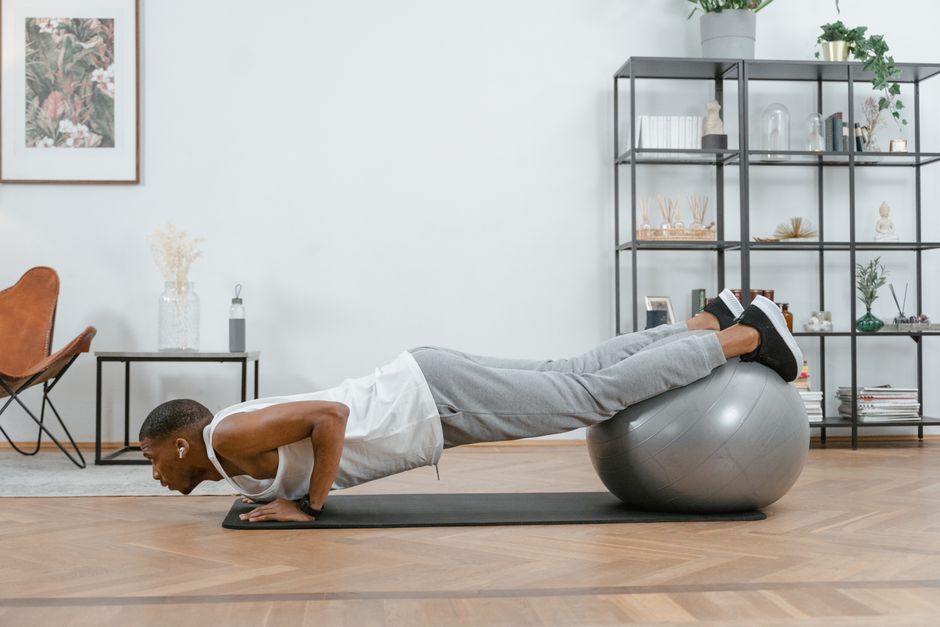
Feeling sore after a workout is normal. Feeling sharp pain during one is not. The difference between pushing through discomfort and pushing through injury comes down to knowing which type of pain you are experiencing. You should never push through sudden, sharp, or joint-specific pain. You can safely work through general muscle fatigue and the burning sensation of effort, but only if your form stays solid and the pain does not worsen.
What Is the Difference Between Good Pain and Bad Pain?
Good pain is the burning sensation in your muscles during the last few reps of a set. It is the dull ache you feel the day after a challenging workout. This type of discomfort comes from metabolic stress and microscopic muscle damage, both of which are normal parts of building strength.
Bad pain is sharp, stabbing, or localized to a joint. It feels different from muscle burn. If a movement causes pain that stops you mid-rep or makes you change your technique to avoid it, that is a warning sign. This type of pain can indicate ligament strain, tendon irritation, or joint damage.
One useful way to distinguish between them is the location. Muscle soreness is diffuse — it spreads across the whole muscle belly. Joint pain is specific — it sits inside the knee, shoulder, or hip. If you can point to one exact spot with one finger, treat it as a red flag.
How To Push Through Pain When Working Out Safely?
If the pain is muscle burn from effort, you can push through it using specific strategies. The most important rule is to maintain proper form. When fatigue sets in and your form breaks down, the load shifts from muscles to joints and connective tissue. That is when injuries happen.
Use the two-for-two rule for stopping a set. If you can perform two more repetitions with good form, keep going. The moment you cannot complete two clean reps, end the set. This approach allows you to train close to failure without crossing into dangerous territory.
Breathing also matters. Many people hold their breath during hard efforts, which spikes blood pressure and can cause dizziness. Exhale during the hardest part of the movement. Steady breathing keeps your core engaged and your blood pressure more stable.
Reducing the weight is another safe way to push through. If you are doing a set of ten and the eighth rep feels brutally hard, you can lower the weight slightly and continue. This keeps the muscle working without forcing you to compromise your form.
When Should You Stop Working Out Immediately?
Some pain signals require you to stop right away. Sharp pain in a joint is never acceptable to push through. Pain that radiates down a limb, such as down the leg or arm, may indicate nerve involvement and should end your session immediately.
Pain accompanied by swelling, bruising, or a popping sensation requires immediate attention. If you feel something tear or pop, stop and do not test the area by continuing to move it. Apply the RICE protocol — rest, ice, compression, and elevation — and consult a medical professional.
Dizziness, chest pain, or shortness of breath are not musculoskeletal issues. These symptoms require you to stop exercising and seek medical evaluation. They can indicate cardiovascular problems that have nothing to do with muscle soreness.
Pain that gets worse with each rep is another clear sign to stop. Good pain stays at a consistent level or builds slowly. Bad pain escalates rapidly. If rep five feels worse than rep three and rep six feels worse than rep five, end the set.
What Is the Difference Between Muscle Soreness and Injury?
Delayed onset muscle soreness, often called DOMS, typically appears 24 to 72 hours after exercise. It feels like a deep ache and improves with gentle movement. This soreness is a normal response to unfamiliar or intense exercise.
Injuries usually cause pain during the activity itself. You might feel a sudden twinge, a sharp catch, or a deep ache that does not fade as you warm up. If pain persists after a warm-up or worsens as you continue, treat it as an injury rather than normal soreness.
Soreness is typically symmetrical. If both legs ache after leg day, that is DOMS. If only your left knee hurts, that is not muscle soreness. Unilateral pain deserves more caution.
One helpful test is to check how the area feels the next morning. DOMS peaks within two days and gradually fades. Injury pain often feels worse the morning after and does not improve with gentle activity.
Does Working Out With Sore Muscles Help or Hurt?
Working out with mild to moderate soreness is generally safe. Many lifters train the same muscle groups while still slightly sore. The key is to reduce the intensity or volume compared to your normal session.
Light activity can actually help reduce soreness by increasing blood flow to the affected muscles. Walking, cycling at low intensity, or doing light mobility work can make you feel better. This is called active recovery and it is well supported by sports science research.
Severe soreness that limits your range of motion is different. If you cannot fully straighten your arms or have difficulty sitting down after leg day, your muscles need more recovery time. Training hard in this state increases injury risk because your muscles cannot produce force efficiently.
A practical guideline is to assess your readiness. If you feel stiff but warm up and the soreness fades, proceed with a lighter session. If the soreness restricts your movement or feels like a strain rather than general ache, take another rest day.
How Does Pain During Exercise Differ by Exercise Type?
Cardiovascular exercise produces different pain signals than strength training. During cardio, the primary discomfort is often breathlessness and a burning sensation in the working muscles. This type of discomfort is safe to push through within reason.
Chest pain during cardio is never normal. Neither is pain that radiates to the jaw, arm, or back. These symptoms require immediate medical attention. Do not attempt to push through cardiac symptoms under any circumstances.
Strength training pain is more often related to joints and connective tissue. Shoulder pain during overhead presses, knee pain during squats, or wrist pain during push-ups are common examples. These pains indicate that the joint is under stress it cannot handle.
Stretching produces a different sensation entirely. A stretch should feel like tension, not pain. If stretching causes sharp pain or a burning sensation in a specific spot, you are pushing too far. Muscle tissue tears more easily when stretched aggressively.
What Are Safe Alternatives When Pain Limits Your Training?
When a specific movement causes pain, you have options beyond stopping entirely. You can modify the exercise to reduce joint stress. For example, if deep squats hurt your knees, try box squats or goblet squats with a shorter range of motion.
You can also switch to a different exercise that targets the same muscle group without the painful movement pattern. If push-ups hurt your wrists, try push-ups on dumbbells or perform chest presses instead. The muscle does not know which exercise you are doing — it only knows the load and tension.
Reducing range of motion is another valid strategy. Partial reps can keep you training while avoiding the painful end range of a movement. This is a common rehabilitation approach used by physical therapists.
If pain persists despite modifications, consider seeing a physical therapist. They can identify the specific cause of your pain and prescribe exercises that strengthen the weak areas. This is often more effective than guessing which exercises to avoid.
How Do You Know When To See a Doctor?
Some situations clearly require medical evaluation. Pain that lasts more than two weeks despite rest and modification warrants a professional opinion. Pain that wakes you from sleep or hurts at rest is also concerning.
Pain accompanied by numbness, tingling, or weakness deserves prompt attention. These symptoms can indicate nerve compression or more serious conditions. Ignoring them risks permanent damage.
If you cannot bear weight on a limb, cannot move a joint through its full range, or see visible deformity, seek care immediately. These signs suggest a fracture or significant structural injury.
Remember that working through pain is sometimes appropriate, but it is never appropriate to work through warning signs. Knowing the difference between muscle burn and injury pain is a skill. It develops with experience and attention to your body’s signals.
Frequently Asked Questions
Is it safe to work out through muscle soreness?
Mild to moderate muscle soreness is generally safe to train through if you reduce intensity. Severe soreness that limits movement suggests you need more recovery time.
What type of pain should I never push through?
Never push through sharp joint pain, radiating pain, or pain accompanied by swelling or popping sensations. These indicate potential injury rather than normal muscle fatigue.
How can I tell if pain is an injury or just soreness?
Injury pain typically occurs during activity, feels sharp or localized to a joint, and worsens with movement. Soreness appears 24 to 72 hours after exercise and improves with gentle activity.
Should I stop my workout if I feel a sudden sharp pain?
Yes, stop immediately if you feel sudden sharp pain or a popping sensation. Continuing to exercise through acute pain increases the risk of making the injury worse.
