
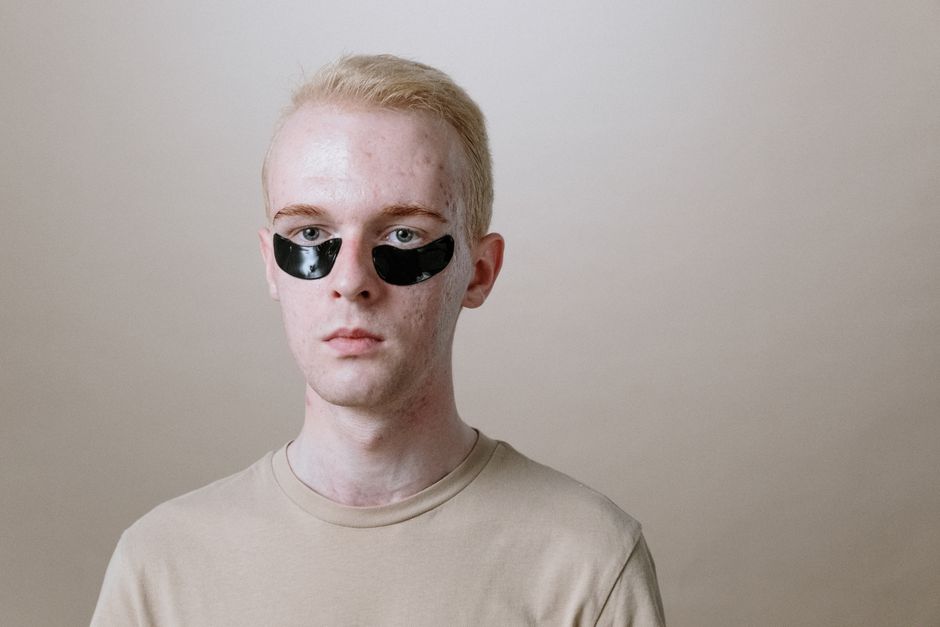
You pop a pimple. Now you have a small, open wound on your face. The goal shifts from getting rid of a blemish to preventing infection, reducing redness, and avoiding a scar. The short answer is clean it gently, apply a thin layer of antibiotic ointment or petroleum jelly, and leave it alone. Do not pick at it again. Do not layer on harsh acne treatments. Your skin needs to heal, not be attacked.
What Should You Do Immediately After Popping a Pimple?
The first few minutes matter most. You have broken the skin barrier. Bacteria from your hands and the pimple contents are now on the surface. Your priority is cleaning without causing more irritation.
Wash your hands with soap and water first. Then gently clean the area with a mild cleanser or plain saline solution. Do not use rubbing alcohol or hydrogen peroxide. The American Academy of Dermatology advises against these because they damage healthy tissue and slow healing. Pat dry with a clean tissue. Do not rub.
Apply a very thin layer of petroleum jelly or a basic antibiotic ointment like bacitracin. This keeps the wound moist and creates a barrier against bacteria. A moist wound heals faster and is less likely to scar than a dry one. Leave it uncovered unless you are going to bed or going outside. In those cases, a small adhesive bandage can protect it.
What Ingredients Actually Help Heal a Popped Pimple?
Not all skincare products are helpful here. Some popular acne ingredients will make things worse. Here is what the evidence supports for healing an open pimple.
Petroleum jelly is the simplest and most reliable option. Research published in the Journal of the American Academy of Dermatology shows that occlusive moisturizers like petroleum jelly improve wound healing and reduce scar formation. It is cheap, accessible, and does not sting.
Silicone gel or sheets are another option once the wound has closed and is no longer oozing. These create a protective layer and help flatten and fade scars. The Cochrane Review found silicone gel effective for preventing and treating hypertrophic scars. Wait until the skin has sealed over, usually after two to three days.
Zinc oxide can help reduce inflammation. It is often found in diaper rash creams. A thin layer can calm redness. Do not use it if your skin is prone to clogged pores, as it can be comedogenic for some people.
What Ingredients Should You Avoid on a Popped Pimple?
This is where most people make mistakes. They reach for the same products they use on unbroken pimples. That is a problem.
Benzoyl peroxide is effective for killing acne bacteria, but it is harsh on open skin. It causes stinging, redness, and can delay healing. Save it for unbroken pimples. Do not apply it to a popped one.
Salicylic acid works by exfoliating the top layer of skin. On an open wound, it will penetrate deeper and cause irritation. It does not help healing. Avoid it until the skin is fully closed, which takes about three to five days.
Retinoids like adapalene or tretinoin increase cell turnover. They are excellent for acne prevention but terrible on broken skin. They cause peeling and sensitivity. Stop using them on the area for at least a week after popping.
Alcohol and witch hazel are common in toners and astringents. They strip the skin of natural oils and damage tissue. The sting means you are irritating the wound. Do not use them.



How To Treat A Popped Pimple to Prevent Scarring?
Scarring is the main concern for most people. A popped pimple is already a trauma to the skin. How you treat it in the days after determines whether a scar forms.
The most important factor is keeping the wound moist. A scab is not a sign of healing — it is a sign that the wound has dried out. Scabs increase the chance of scarring because the skin has to push through a hard crust to repair itself. Petroleum jelly prevents scab formation entirely.
Sun protection is the second most important factor. UV exposure on healing skin can cause hyperpigmentation, which looks like a dark mark that lasts months. The Skin Cancer Foundation notes that healing skin is especially vulnerable to UV damage. Use a mineral sunscreen with zinc oxide or titanium dioxide once the wound has closed. Do not put sunscreen directly on an open wound.
Do not pick at any new scab that forms. Let it fall off naturally. Picking reopens the wound and increases inflammation. That inflammation is what drives scarring.
Comparison: Common Treatments for a Popped Pimple
| Treatment | Works On Open Wound? | Best Used | Risk of Irritation |
|---|---|---|---|
| Petroleum jelly | Yes | Immediately after popping | Very low |
| Antibiotic ointment | Yes | First 1-2 days if infection risk | Low |
| Silicone gel | No (wait until closed) | After skin seals (day 3-5) | Low |
| Benzoyl peroxide | No | Unbroken pimples only | High on open skin |
| Salicylic acid | No | Unbroken pimples only | High on open skin |
| Hydrocortisone cream | Use with caution | Short-term for severe redness | Moderate |
When Should You See a Doctor for a Popped Pimple?
Most popped pimples heal on their own within a week. Some situations need medical attention. Do not ignore these signs.
If the area becomes more red, swollen, warm, or painful after 24 hours, you may have an infection. Pus that is yellow or green and has a foul smell is another warning sign. The CDC advises that skin infections can spread quickly and may require prescription antibiotics. Do not try to treat a spreading infection at home.
If you have a fever or red streaks radiating from the pimple, seek care immediately. These are signs of cellulitis or a more serious infection that needs urgent treatment.
If the pimple was on a sensitive area like the nose or the “danger triangle” of the face — from the corners of the mouth to the bridge of the nose — be more cautious. Infections here can rarely spread to the brain through blood vessels. This is not common, but it is serious enough to warrant a doctor visit if you see signs of infection.
What Are Common Misconceptions About Popped Pimples?
Many viral skincare tips on social media are wrong. Some are actively harmful.
Toothpaste on a pimple is a persistent myth. Toothpaste contains baking soda, hydrogen peroxide, and menthol. These dry out the skin and cause chemical burns. There is no evidence it helps healing. It can make redness and peeling worse.
Ice directly on the skin is another common mistake. Ice reduces swelling but can cause frostbite if applied directly. Wrap ice in a thin cloth and limit contact to 10 minutes at a time. Even then, it only reduces swelling temporarily. It does not speed healing.
Spot treatments with aspirin are popular but unsupported. Aspirin is salicylic acid, which is already discussed as harmful on open wounds. Crushing aspirin and mixing it with water creates an acidic paste that irritates skin. Do not do this.
Pimple patches are a mixed tool. Hydrocolloid patches absorb fluid and protect the wound. They can be helpful if used correctly. But some people leave them on too long, which can macerate the skin and slow healing. Change them according to package directions, usually every 8 to 12 hours.
Frequently Asked Questions
Frequently Asked Questions
Should I put ice on a popped pimple?
Ice can reduce swelling if wrapped in a cloth and applied for no more than 10 minutes. It does not help the wound heal faster and should not replace keeping the area moist.
Can I use Neosporin on a popped pimple?
Yes, but plain petroleum jelly works just as well for most people. Neosporin contains three antibiotics and some people develop a contact allergy to neomycin, one of its ingredients.
How long does a popped pimple take to heal?
With proper care, the skin closes in 3 to 5 days. Redness and discoloration may take 2 to 4 weeks to fade completely. Scarring takes longer and may not fully resolve.
Is it bad to pop a pimple with a needle?
Using a sterile lancet or needle is less damaging than squeezing with fingers. The risk of infection and scarring remains high. Dermatologists generally advise against popping any pimple.
