
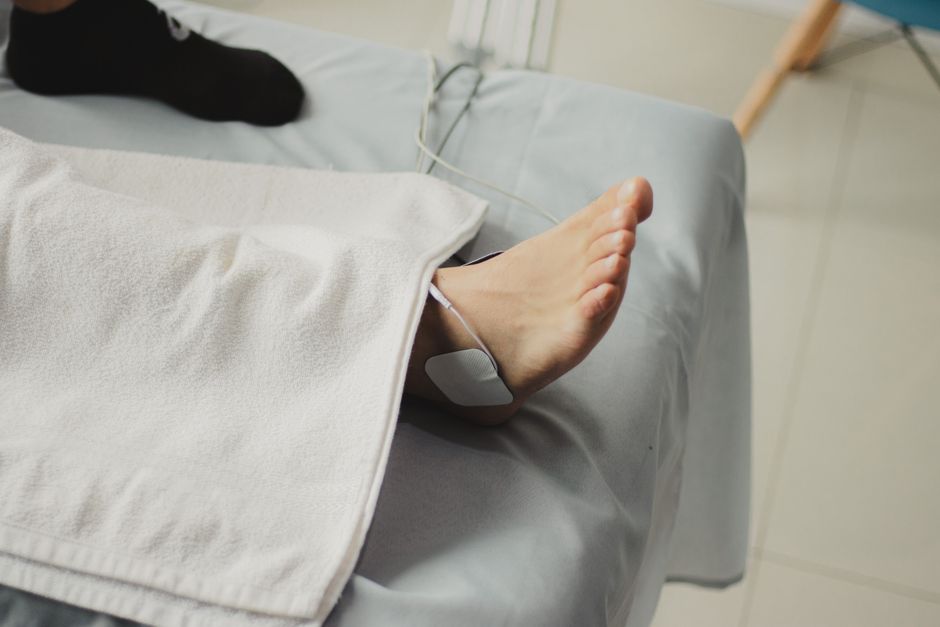
A corn on your foot is a small, thick area of skin that forms in response to pressure or friction. Treating it effectively means removing the pressure that caused it and gently removing the dead skin. The most reliable approach combines daily filing with a pumice stone, consistent moisturizing, and using donut-shaped pads to cushion the area. You can treat most corns at home, but you must stop if you have diabetes or poor circulation and see a doctor instead.
What Exactly Is a Corn and Why Does It Form?
A corn is a protective response. When your skin experiences repeated friction or pressure, it produces extra layers of keratin to shield the deeper tissue. This is the same process that creates calluses. A corn differs from a callus because it has a central core that points inward, and it is usually smaller, rounder, and more painful.
Two types of corns exist. Hard corns are the most common. They are dense, dry, and typically appear on the tops of toes or on the outer edge of the little toe. Soft corns form between toes, where sweat keeps the skin moist. These look whitish and rubbery rather than dry and hard. Both types develop for the same reason: something is rubbing or pressing against that specific spot.
Tight shoes are the usual culprit. High heels, narrow toe boxes, and shoes that are simply too small compress the toes together and create friction with every step. Socks that bunch up, seams inside shoes, or even an altered gait from a previous injury can also create the repetitive pressure that triggers a corn.
How To Treat A Corn On Your Foot: The Daily Routine
Treating a corn takes consistency. You cannot remove it in one session. The goal is to gradually thin the thickened skin while simultaneously removing the source of pressure. If you do not fix the shoe problem, the corn will return quickly regardless of what you apply to it.
Start with a warm foot soak. Soak your foot in warm water for 10 to 15 minutes. This softens the keratin layer, making it easier to file down. Do this daily, preferably in the evening.
After soaking, dry your foot thoroughly. Use a pumice stone or a foot file to gently rub the corn in a circular motion. The goal is to remove only the top layers of dead skin. You should see a small improvement each day. Stop if you see any redness, bleeding, or raw skin. You are not trying to remove the entire corn in one sitting. That would create an open wound and risk infection.
After filing, apply a thick moisturizer. Creams containing urea or lactic acid are particularly effective because these ingredients break down keratin, which is the protein that makes up the corn. Apply the moisturizer generously and allow it to absorb.
Finish by placing a donut-shaped pad over the corn. These pads are available at most drugstores. The hole in the center sits over the corn, relieving pressure from the area. This step is essential. Without it, the friction that caused the corn will continue, and your treatment will be undone by your next few steps.
Over-the-Counter Treatments: What Works and What to Avoid
Drugstores sell medicated corn pads and liquids containing salicylic acid. These products work by chemically dissolving the keratin in the corn. Salicylic acid is effective, but it requires careful use.
Follow the instructions on the product exactly. Most products recommend applying the pad or liquid for a specified number of days, then pausing to file away the loosened skin. The concentration of salicylic acid in over-the-counter products is generally safe for healthy people when used as directed.
However, these products pose real risks for certain people. If you have diabetes, peripheral neuropathy, or any condition that reduces blood flow to your feet, do not use salicylic acid. Your healing capacity is reduced, and a chemical burn or small wound could become a serious infection. The same applies to anyone with fragile skin or a history of slow-healing wounds.
There is also a common mistake people make with these products. They leave the medicated pad on too long or apply it to the surrounding healthy skin. This causes chemical burns on normal tissue. Apply the product only to the corn itself. If the pad is larger than the corn, trim it down with scissors before applying.


When Home Treatment Is Not Enough
Most corns respond to the daily routine described above within a few weeks. If you have been consistent with soaking, filing, moisturizing, and cushioning for three to four weeks with no improvement, it is time to see a professional.
A podiatrist can remove the corn safely in the office. They use a scalpel to pare away the thickened skin. This is a quick, painless procedure when performed by a professional. It provides immediate relief, but it does not cure the underlying cause. You will still need to address footwear and pressure points to prevent recurrence.
You should also seek medical care if you notice any of the following signs. Pain that worsens rather than improves, redness spreading beyond the corn, warmth in the area, or any drainage suggest an infection. Do not attempt to treat an infected corn at home.
If you have diabetes, you should not attempt to treat any foot problem yourself. Even minor injuries can escalate quickly. See a podiatrist for routine foot care and follow their specific recommendations for corns and calluses.
How to Prevent Corns From Coming Back
Prevention is the most important part of corn management. A corn is a symptom. The disease is pressure. If you eliminate the pressure, the corn will not return.
Wear shoes that fit properly. Your toes should have room to move freely inside the shoe. The toe box should be wide enough that your toes are not squeezed together. Avoid shoes with pointed toes or high heels for daily wear. Shop for shoes later in the day when your feet are slightly swollen, as this more accurately reflects how they will feel during use.
Consider using toe spacers or lambswool between toes if you get soft corns between your toes. These keep the toes separated and reduce friction. You can find these products at most pharmacies.
Moisturize your feet daily, even after the corn is gone. Well-hydrated skin is more flexible and less likely to build up hard, thick layers. Pay attention to the areas where you previously had corns. If you notice the skin starting to thicken again, resume filing and cushioning immediately. Early intervention is far easier than treating a fully formed corn.
What About “Corn Removal” Surgery?
Surgery is rarely necessary for corns. In most cases, conservative management resolves the problem. However, if a corn is caused by a structural foot deformity, such as a hammertoe or a bone spur, surgery may be considered.
Hammertoes cause the toe to bend abnormally, creating a bony prominence that rubs against the shoe. In this situation, correcting the toe position through surgery may be the only way to permanently relieve the pressure. This is a decision to make with a podiatrist or orthopedic surgeon after conservative treatments have failed.
Surgery for corns is not a simple cosmetic procedure. It involves real recovery time and carries standard surgical risks. It should only be pursued when the corn is causing significant pain that does not respond to other treatments.
Common Myths About Corns
One persistent myth is that corns have roots that extend deep into the foot. They do not. A corn is purely a surface skin condition. The central core that people call a “root” is simply a dense plug of keratin. It sits within the epidermis, the outermost layer of skin. It does not attach to bone or muscle.
Another myth is that cutting a corn with a razor blade or knife is an acceptable home treatment. This is dangerous. It is very easy to cut too deep, especially if you cannot see the area well. This creates an open wound that can become infected. Never use sharp instruments on your feet at home.
Some people believe that corns are contagious or that they are caused by a virus. They are not. This confusion likely comes from warts, which are caused by the human papillomavirus and can look similar to corns. A wart has tiny black dots in the center, which are clotted blood vessels. A corn does not have these dots. If you are unsure whether you have a corn or a wart, a healthcare professional can tell you definitively.
Frequently Asked Questions
How long does it take to get rid of a corn?
With daily soaking, filing, and cushioning, most corns resolve within two to four weeks. Consistent pressure relief is the single most important factor in how quickly it disappears.
Can I just cut the corn off with a razor?
No. Cutting a corn with a razor or knife at home risks deep cuts, bleeding, and serious infection. Use a pumice stone or foot file instead, and only remove the top layers of dead skin.
Is a corn the same thing as a wart?
No. A corn is thickened skin caused by pressure, while a wart is a viral infection of the skin. Warts often have small black dots in the center and can bleed when filed, while corns do not.
Are medicated corn pads safe for everyone?
No. Medicated pads contain salicylic acid and are not safe for people with diabetes, poor circulation, or fragile skin. If you have any of these conditions, see a podiatrist instead of using over-the-counter products.
