
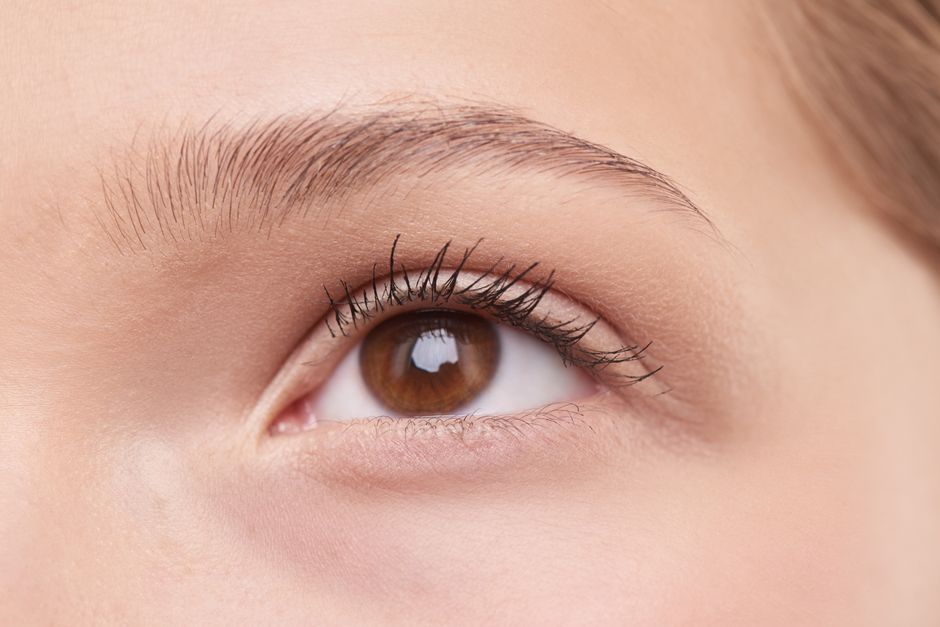
If your eyebrows have gotten thinner or have patches, you might wonder if anything actually helps them grow back. The answer is yes for some causes, and no for others. The most effective approach depends entirely on why your brows are thinning in the first place. Genetics, aging, over-plucking, and medical conditions all change how your brows look, and each one needs a different strategy.
What Causes Eyebrow Thinning?
Eyebrow hair grows on a cycle that lasts several months. Each hair grows, rests, and then falls out. When that cycle gets disrupted, the hair falls out faster than it regrows. The result is thinner brows over time.
Aging is a major factor. Hair follicles slow down as you get older, and the hair they produce becomes finer and lighter. This happens everywhere on your body, but it is often most noticeable in the eyebrows.
Over-plucking or waxing can permanently damage the follicle. If you pulled hairs out repeatedly for years, some follicles may stop producing hair entirely. This damage is often irreversible, though the extent varies from person to person.
Medical conditions can also cause eyebrow loss. Thyroid disorders, alopecia areata, and skin conditions like eczema or psoriasis can all affect brow hair. Nutrient deficiencies, particularly in iron, zinc, or biotin, can contribute to thinning hair in some people, though this is less common than other causes.
Do Eyebrow Serums Actually Work?
Some eyebrow serums work. Others do not. The difference comes down to the active ingredients.
Prostaglandin analogs are the most studied ingredients for eyebrow growth. These compounds were originally developed for glaucoma treatment, but researchers noticed they caused eyelash growth as a side effect. That discovery led to products designed for lashes and brows. Clinical trials have shown they can increase hair length, thickness, and darkness.
These products are effective for many people, but they come with side effects. Some users report skin darkening at the application site, eye irritation, or changes in eye color. The eye color change is rare but can be permanent. These are prescription-strength products, and they are not appropriate for everyone.
Over-the-counter serums use different ingredients. Peptides, biotin, and plant extracts are common. Some research suggests these ingredients may support hair health, but the evidence is much weaker than it is for prostaglandin analogs. Some products work well for some people, but no large clinical trials have confirmed consistent results.
Check the ingredient list before buying any serum. If the product does not list a prostaglandin analog, it likely relies on ingredients with limited evidence. That does not mean the product is useless, but it means you should have realistic expectations.
What Role Does Nutrition Play in Eyebrow Growth?
Your hair follicles need certain nutrients to function properly. When you are deficient, hair growth can slow down. But taking extra nutrients when you are not deficient does not make hair grow faster.
Iron deficiency is linked to hair loss, including eyebrow hair. If you have heavy menstrual periods or do not eat much red meat, you could be low in iron. A blood test can confirm this. If your iron levels are normal, taking iron supplements will not help your brows.
Biotin is often marketed for hair growth, but the evidence is limited. Biotin deficiency is rare, and most people get enough from their diet. Taking high doses of biotin has not been shown to improve eyebrow growth in people with normal levels. In fact, high biotin intake can interfere with certain lab tests, including thyroid tests.
Protein matters too. Hair is made of keratin, which is a protein. If your diet is very low in protein, your body may prioritize other functions over hair growth. Most people eating a balanced diet get enough protein for healthy hair.
The honest position is this: eat a balanced diet, get tested for deficiencies if you suspect one, and do not expect supplements to transform your brows if you are already healthy.




Can You Regrow Eyebrows After Over-Plucking?
This depends on how much damage was done. Repeated plucking can injure the hair follicle and the surrounding tissue. In some cases, the follicle becomes scarred and stops producing hair.
For mild to moderate damage, regrowth is possible. The hair follicle may recover once you stop plucking. It can take several months to see improvement because eyebrow hair grows slowly. On average, eyebrow hair takes about 3 to 4 months to fully regrow after being removed.
For severe damage, regrowth may not happen. If the follicle is destroyed, no topical product will bring it back. This is when people consider cosmetic options like microblading or brow transplants.
Brow transplants are a surgical option. Hair is taken from the scalp and transplanted into the brow area. The results can look natural, but the procedure is expensive and requires recovery time. It is also important to find a surgeon with specific experience in brow transplants, because the angle and direction of brow hair matters for a natural look.
What Is the Best Way to Apply Eyebrow Growth Products?
Proper application matters more than most people realize. The way you apply a serum affects both its effectiveness and your risk of side effects.
Start with clean, dry skin. Apply the product directly to the brow area, using the applicator that came with the product. Use only the recommended amount. More product does not mean faster growth, and it increases the risk of irritation.
Apply the product to the skin, not just the hair. The product needs to reach the follicle, which sits below the skin surface. Gently massage it in so it can absorb.
Be consistent. Most products require daily use for at least 8 to 12 weeks before you see results. If you stop using the product, the new hair growth will eventually revert. This is true for prescription-strength products and over-the-counter options alike.
Watch for irritation. Redness, itching, or burning means the product is too strong for your skin or you are having a reaction. Stop using the product and talk to a dermatologist if irritation develops.
Do Natural Remedies Like Castor Oil Help?
Castor oil is one of the most popular natural remedies for brow growth, but the evidence is thin. No large clinical studies have confirmed that castor oil increases hair growth. The claims are based on anecdotal reports and the oil’s moisturizing properties.
Castor oil may improve the appearance of brows by conditioning the hair. Moisturized hair looks healthier and may appear thicker. But that is a cosmetic effect, not actual growth.
Other natural oils like coconut oil, argan oil, and jojoba oil are similar. They can condition the hair and skin, but they have not been shown to stimulate new hair growth.
That said, these oils are generally safe for most people. If you enjoy using them and they make your brows look better, there is no harm. Just do not expect them to regrow hair in areas where the follicle is damaged or inactive.
When Should You See a Doctor About Thinning Eyebrows?
Sudden or patchy eyebrow loss deserves medical attention. If your brows are thinning rapidly, or if you notice bald patches, see a doctor. These can be signs of an underlying condition that needs treatment.
Thyroid disease is a common cause of eyebrow thinning, particularly hypothyroidism. Other symptoms include fatigue, weight gain, dry skin, and feeling cold. A simple blood test can check your thyroid function.
Alopecia areata is an autoimmune condition that causes patchy hair loss. It can affect the eyebrows and other parts of the body. Treatment options exist, but they require a medical diagnosis first.
If you have other symptoms along with brow thinning, mention them to your doctor. The brows are often a clue, not the whole picture. Treating the underlying condition is the most effective way to address the hair loss.
Frequently Asked Questions
How long does it take for eyebrows to grow back?
Eyebrow hair takes about 3 to 4 months to fully regrow after being removed. Medical treatments for growth typically require 8 to 12 weeks of daily use before visible improvement appears.
Do eyebrow serums have side effects?
Prostaglandin-based serums can cause skin darkening, eye irritation, and in rare cases, permanent eye color changes. Over-the-counter serums with peptides or plant extracts have fewer reported side effects but also weaker evidence for effectiveness.
Can plucking eyebrows permanently stop hair growth?
Repeated plucking can permanently damage hair follicles, especially over many years. Once a follicle is scarred, it will not produce hair again, and no topical product can restore it.
Is castor oil effective for thicker eyebrows?
No clinical studies have confirmed that castor oil stimulates new hair growth. It can condition existing hair and improve appearance, but it will not regrow hair in areas where the follicle is damaged.
