
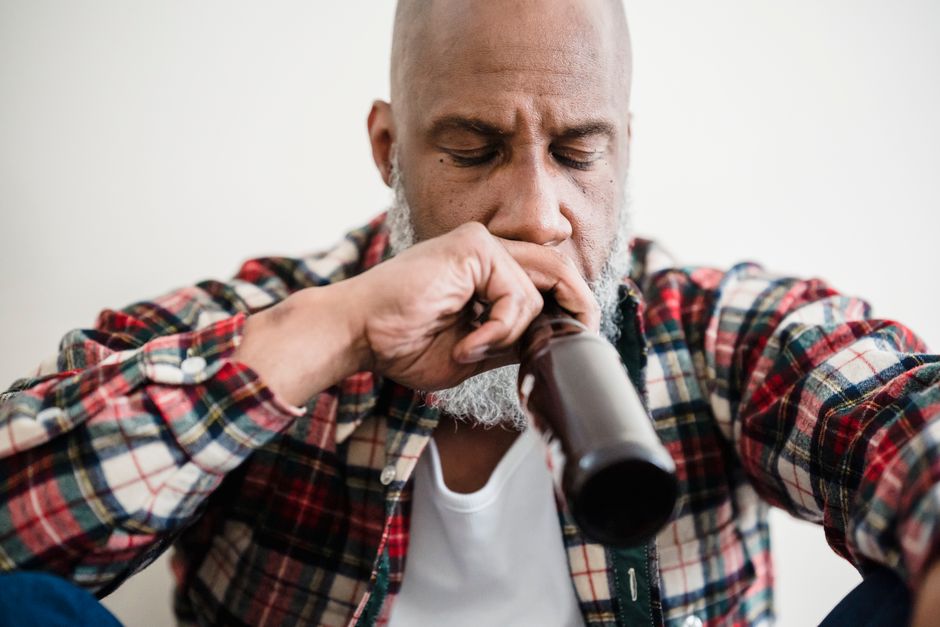
Getting a buzz without alcohol is possible, but it is not the same as drinking. The alcohol buzz comes from a specific brain chemical change, and no non-alcoholic drink or activity produces that exact effect. What actually works are activities that raise your heart rate, release endorphins, or create mild sensory stimulation. These produce a real, noticeable feeling of lightness or energy, though it fades faster than an alcohol buzz and never impairs your judgment the way alcohol does.
What Does an Alcohol Buzz Actually Do to Your Brain?
Alcohol affects your brain by increasing the activity of GABA, a neurotransmitter that slows brain function down. It also triggers a release of dopamine, the chemical tied to reward and pleasure. That combination — a slowed, relaxed brain plus a hit of reward — is what creates the warm, sociable feeling people call a buzz.
No food, drink, or activity replicates that exact chemical sequence. Some activities come close by triggering dopamine or endorphins on their own. Others work by stimulating your nervous system in a way that feels similar to the early stages of drinking. Understanding what you are actually looking for — relaxation, euphoria, or social confidence — helps you pick the method that will genuinely work for you.
Does Non-Alcoholic Beer or Mocktail Give a Buzz?
Non-alcoholic beer and mocktails do not produce a buzz in the chemical sense. Most contain less than 0.5% alcohol by volume, which is too little to affect GABA or dopamine levels in any noticeable way. The effect people feel from these drinks is mostly psychological — the ritual of holding a glass, the taste, and the social context.
That said, the placebo effect is real. Some research suggests that when people believe a drink contains alcohol, they report feeling more relaxed and sociable even when it does not. If a mocktail helps you unwind in a social setting, that is a genuine effect, but it comes from expectation, not chemistry. It also fades quickly because there is no actual alcohol in your bloodstream to sustain it.
How To Get A Buzz Without Alcohol What Actually Works?
The most reliable way to get a buzz-like feeling without alcohol is through physical activity that raises your heart rate. Moderate to intense exercise triggers the release of endorphins, dopamine, and endocannabinoids — the same reward chemicals alcohol taps into. A 20 to 30 minute session of running, cycling, swimming, or even brisk walking can produce a noticeable mood lift that lasts for hours.
This is often called a “runner’s high,” but you do not need to be a runner to feel it. The key is working hard enough to break a sweat and raise your breathing rate. The effect is strongest during and immediately after exercise, then gradually fades. It is not identical to an alcohol buzz — you feel energized rather than slowed down — but it reliably produces a positive shift in mood.
Other approaches that work through similar brain pathways include:
- Cold water exposure — a cold shower or cold plunge triggers a surge of adrenaline and dopamine that can feel like a sharp, alert buzz lasting 15 to 30 minutes.
- Dancing — combines physical activity with music and social connection, which amplifies the mood boost beyond exercise alone.
- Laughter — genuine laughter releases endorphins. Watching a comedy special or spending time with someone who makes you laugh can produce a mild, pleasant high.
- Deep breathing or breathwork — certain breathing patterns, like rapid rhythmic breathing followed by breath holds, can create tingling sensations and altered awareness. This is safe for most people but should be avoided if you have heart conditions or are pregnant.

Can Caffeine or Energy Drinks Replace Alcohol?
Caffeine does not produce a buzz in the alcohol sense. It blocks adenosine receptors in the brain, which prevents the drowsiness signal from getting through. The result is increased alertness, faster reaction time, and a feeling of wakefulness — not the relaxed euphoria of alcohol.
Some people describe the caffeine feeling as a buzz because it is a noticeable shift in mental state. But it is fundamentally different. Caffeine is a stimulant; alcohol is a depressant. A caffeine buzz makes you more focused and energetic, while an alcohol buzz makes you less inhibited and more relaxed. If you want the social looseness of alcohol, caffeine will not give it to you. If you want energy and focus, it works well.
Energy drinks combine caffeine with other ingredients like taurine and B vitamins, but there is no evidence these ingredients produce a buzz on their own. The effect comes from the caffeine. Be cautious with high-caffeine energy drinks, especially if you have high blood pressure, heart rhythm problems, or anxiety. The FDA considers up to 400 milligrams of caffeine per day safe for most healthy adults, which is roughly four cups of coffee.
What About Herbal Supplements or Kava?
Kava is the one herbal supplement with genuine evidence for producing a relaxing, mildly euphoric effect. It comes from the root of a plant native to the South Pacific, and it acts on GABA receptors in the brain — similar to how alcohol works. Some people describe the feeling as calm and sociable, closer to a mild alcohol buzz than any other legal non-alcoholic option.
However, kava carries real risks. The European Union has banned it due to concerns about liver toxicity, though the evidence linking kava to liver damage is mixed and may be related to poor-quality extracts or use of the wrong plant parts. If you have liver disease, take medications that stress the liver, or drink alcohol regularly, kava is not a safe choice. No clinical guidelines currently exist for safe kava dosing, so if you try it, start with a small amount and stop if you feel unwell.
Other herbal supplements marketed for relaxation — like valerian root, passionflower, or ashwagandha — have some evidence for reducing anxiety, but they do not produce a buzz. Their effects are subtle and build up over time with consistent use. They are not comparable to alcohol or kava in intensity.
Are There Risks to Chasing a Non-Alcohol Buzz?
The main risk is substituting one unhealthy pattern for another. If you feel you need a buzz every evening to unwind, that is worth examining regardless of what you are using. Exercise, cold plunges, and breathwork are generally safe, but they can become compulsive too.
Specific methods carry specific risks. Breathwork that involves hyperventilation can cause lightheadedness or fainting. Cold water immersion can trigger a dangerous cardiovascular response in people with heart conditions. Kava has liver toxicity concerns. Even exercise can be overdone. The safest approach is to use these methods in moderation and pay attention to how your body responds.
If you are using these techniques because you want to stop drinking, that is a legitimate and healthy goal. But if you are trying to replace the feeling of intoxication itself, be honest about what you are looking for. A non-alcohol buzz is not the same experience. It is lighter, shorter, and does not lower your inhibitions. For many people, that is actually a benefit — you get the mood lift without the impaired judgment, hangover, or health risks of alcohol.
Frequently Asked Questions
Can you feel a buzz from non-alcoholic beer?
No, non-alcoholic beer contains too little alcohol to produce a chemical buzz. Any relaxed feeling comes from the ritual and expectation, not from the drink itself.
How long does an exercise buzz last?
A post-exercise mood lift typically lasts one to three hours after you finish. The intensity depends on how hard you worked out and how fit you are.
Is kava a safe alcohol substitute?
Kava has genuine relaxing effects but carries liver toxicity risks, and no safe dosing guidelines exist. It is not recommended for people with liver conditions or those taking certain medications.
Does caffeine give you a buzz like alcohol?
Caffeine produces alertness and energy, not the relaxed social buzz of alcohol. They are opposite effects — caffeine stimulates while alcohol depresses brain activity.
