
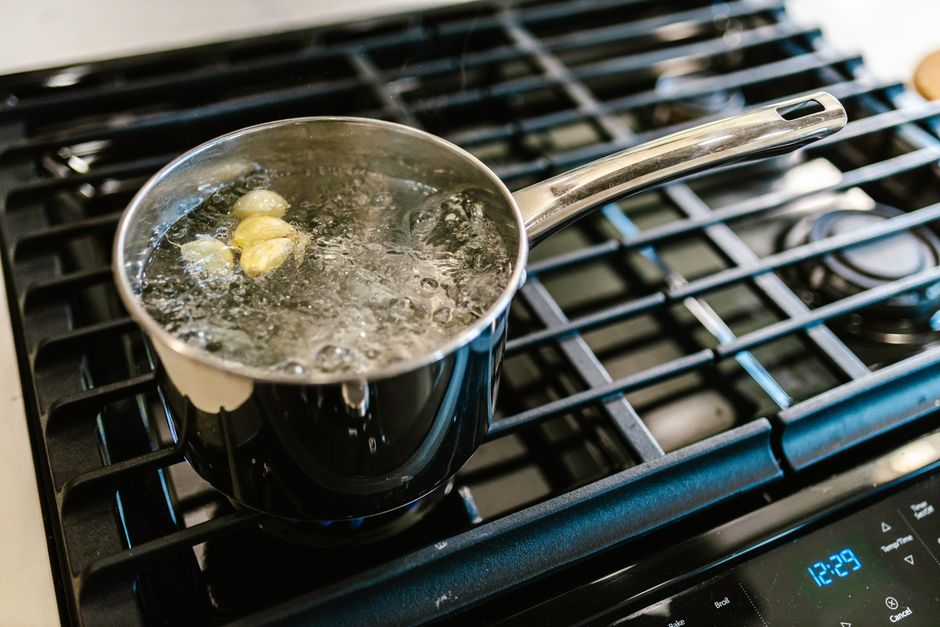
Boiling an egg seems simple until you crack it open and find a runny center when you wanted a firm one. The most reliable way to know when a boiled egg is done is to use time and temperature together. For a large egg straight from the refrigerator, simmer for 6-7 minutes for soft-boiled, 9-10 minutes for medium, and 12-13 minutes for hard-boiled, then immediately transfer to an ice bath to stop the cooking process. Time alone, however, is not foolproof — elevation, egg size, and starting temperature all shift the numbers.
What Is the Best Way To Tell If a Boiled Egg Is Done?
Time is the primary tool, but it needs a consistent method. Place eggs in a single layer in a saucepan. Cover them with cold water by about an inch. Bring the water to a full rolling boil over high heat, then remove the pot from the burner and cover it with a lid.
Let the eggs sit in the hot water according to your desired doneness. This off-heat method is more forgiving than keeping the water boiling, because the temperature drops gradually instead of jolting the eggs. For large eggs, the standard resting times are 6-7 minutes for soft-boiled with a liquid yolk, 9-10 minutes for a jammy semi-set yolk, and 12-13 minutes for fully hard-boiled.
After the time is up, drain the hot water and plunge the eggs into a bowl of ice water. Leave them for at least 5 minutes. The cold bath stops residual heat from continuing to cook the yolk and makes the shell easier to peel.
Does the Spin Test Actually Work?
The spin test is a popular kitchen trick. Spin the egg on a flat surface. A hard-boiled egg spins fast and smoothly because its contents are solid and move as one unit. A raw egg wobbles and stops quickly because the liquid inside sloshes around and resists the motion.
This test works, but it only tells you whether the egg is raw or cooked. It cannot tell you whether the yolk is soft, medium, or hard. If you need a soft-boiled egg with a runny yolk and the spin test says “cooked,” you still do not know if it is done to your preference. The test is useful as a quick check, not a precise measurement.
Can You Tell by Looking at the Shell?
No. The shell gives no visual clues about the inside. An egg that looks perfectly normal on the outside can be undercooked or overcooked.
Some people shake the egg near their ear. A raw egg makes a faint sloshing sound because the yolk moves inside the white. A cooked egg is silent because the contents are set. This test is less reliable than the spin test, and the sound is subtle enough that many people cannot hear it clearly.





Why Do Eggs Keep Cooking After You Remove Them From Heat?
Eggs hold heat well. When you take an egg out of hot water, the residual heat in the shell and the outer white continues to travel inward toward the yolk. This is called carryover cooking.
This is why the ice bath matters. Plunging eggs into ice water immediately halts the cooking process. If you skip the ice bath and let eggs cool at room temperature, the yolk can firm up one full stage beyond what you intended. A 10-minute egg meant to be jammy can turn fully hard by the time it cools.
For the same reason, do not cook eggs directly in boiling water for the full duration. The vigorous bubbling makes eggs bounce against each other and the pot, which can crack shells. The off-heat method gives you more control because the water temperature drops steadily rather than staying at a hard boil.
What Factors Change the Cooking Time?
Several variables shift the timing, which is why a single universal number does not exist.
- Egg size: Small and medium eggs cook faster. Extra-large and jumbo eggs need more time. The standard times above assume large eggs, which is what most recipes reference.
- Starting temperature: Eggs straight from the refrigerator need more time than eggs at room temperature. Room-temperature eggs can shave about 30-60 seconds off the cooking time.
- Altitude: Water boils at a lower temperature at higher elevations. At 5,000 feet, water boils around 202°F instead of 212°F. Because the water is cooler, eggs take longer to cook through.
- Number of eggs: A crowded pot of a dozen eggs drops the water temperature more than a pot with two eggs. The recovery time is longer, so cooking times stretch slightly.
Freshness also plays a role, though not in cooking time. Very fresh eggs are harder to peel because the inner membrane clings tightly to the shell. Eggs that are a week or two old peel more easily. This does not change doneness, but it affects how cleanly you can remove the shell.
What Does the Yolk Look Like at Each Stage?
Visual inspection of the yolk is the ultimate confirmation. Crack the egg open on a plate and look.
| Stage | Resting time (large egg, off heat) | Yolk appearance | White appearance |
|---|---|---|---|
| Soft-boiled | 6-7 minutes | Liquid and runny, deep yellow | Set but tender, not rubbery |
| Medium / jammy | 9-10 minutes | Semi-set, fudgy texture, slightly translucent center | Fully set and firm |
| Hard-boiled | 12-13 minutes | Fully firm, pale yellow, no translucency | Firm and opaque |
A gray-green ring around the yolk means the egg is overcooked. This happens when iron in the yolk reacts with sulfur in the white at high heat. The egg is safe to eat, but the texture becomes chalky and the flavor slightly sulfurous. The ice bath helps prevent this by stopping the heat before the reaction progresses.
Is There a Way To Test Without Breaking the Egg Open?
No reliable non-destructive test exists for precise doneness. The spin test confirms cooked versus raw. The shake test is less accurate. No home method tells you the exact internal yolk texture without cracking the shell.
Some kitchen gadgets claim to measure egg doneness through the shell. These devices use light or temperature sensors, but they are not widely validated and results vary. The most dependable approach remains consistent timing with the off-heat method.
If you are cooking for others and need certainty, cook one test egg first. Remove it at your target time, ice it, and crack it open to check. Adjust the next batch by 30-60 seconds if needed. This costs one egg but removes all guesswork.
Why Do Hard-Boiled Eggs Sometimes Have Green Yolks?
The green ring is not a sign of spoilage. It is a chemical reaction between iron and sulfur compounds in the egg. High heat or prolonged cooking causes the reaction to occur.
Overcooking is the main cause. Leaving eggs in hot water too long, or skipping the ice bath so carryover cooking continues, produces the green color. The egg remains safe to eat, but the yolk becomes dry and crumbly. Reducing cooking time and cooling eggs promptly prevents the ring.
Frequently Asked Questions
How long do you boil an egg for a runny yolk?
Simmer a large egg off the heat for 6-7 minutes, then move it to an ice bath immediately. The yolk will be liquid and runny while the white is fully set.
Do boiled eggs float when they are done?
No. Floating has nothing to do with doneness. Older eggs float because air builds up inside as they age, but a floating egg can be perfectly cooked or completely raw.
Can you overcook a boiled egg?
Yes. Leaving eggs in hot water too long makes the white rubbery and the yolk dry and chalky, often with a gray-green ring. The egg is still safe to eat but the texture degrades.
Why are my hard-boiled eggs hard to peel?
Very fresh eggs have membranes that cling tightly to the shell. Using eggs that are 7-10 days old and cooling them in an ice bath makes peeling noticeably easier.
