
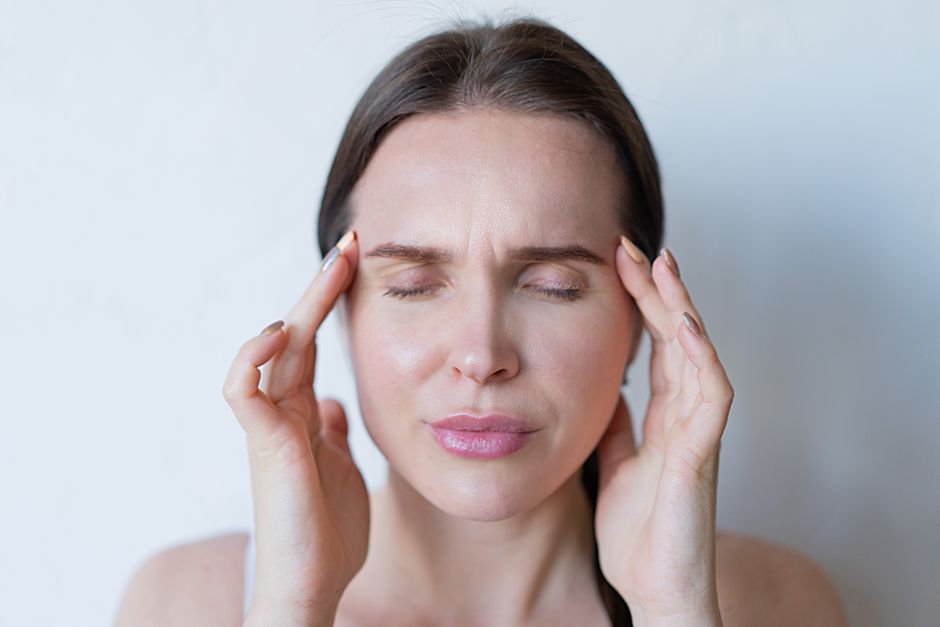
Dry eyes are more than just a passing annoyance. If your eyes often feel gritty, burn, or sting, you may be dealing with a common condition called dry eye disease. The key symptoms to watch for include a stinging or burning sensation, a gritty feeling like sand in your eye, redness, and blurry vision that comes and goes. Many people also experience watery eyes, which sounds contradictory but is actually a classic sign of dry eye.
Why Do My Eyes Feel Gritty and Irritated?
A gritty sensation is one of the most common complaints. It feels like there is a speck of sand or dust in your eye that you cannot wash out. This happens because the surface of your eye lacks sufficient lubrication. Without a healthy tear film, the sensitive nerve endings on your cornea become exposed and irritated. Every blink rubs these exposed nerves, creating that uncomfortable, abrasive feeling. This sensation is not caused by an actual foreign object. It is a direct result of the tear film no longer protecting the eye’s surface properly.
Is Watery Eyes a Sign of Dry Eye?
Yes, paradoxically, watery eyes are often a sign of dry eye. When your eyes become too dry, the lacrimal gland receives a signal that the surface is irritated. In response, it produces a large volume of reflex tears. These reflex tears are mostly water and lack the oily, mucous layers of a healthy tear film. Because they lack the right composition, they do not stay on the eye. They simply wash off the surface, leaving the eye still dry and irritated. If you find your eyes watering when you are not crying or emotional, dry eye is a likely culprit.
Why Does My Vision Blur and Then Clear Up?
Fluctuating vision is a hallmark symptom. You might notice that your vision is clear, then blurs for a few seconds, and then clears again after you blink. This happens because the tear film is the first optical surface light passes through. When the tear film is uneven or breaks up too quickly, light scatters as it enters the eye, causing blur. A blink temporarily spreads a new layer of tears, restoring clarity for a moment. When the tears evaporate too fast or are poor quality, the blur returns. This cycle of blurry then clear vision is highly specific to tear film instability.





How To Tell If Your Eyes Are Dry Key Symptoms
The key symptoms of dry eye are easy to recognize once you know what to look for. The most common signs include a stinging or burning sensation, a gritty feeling, redness, and sensitivity to light. You may also experience stringy mucus in or around your eyes, difficulty wearing contact lenses, and eye fatigue after reading or looking at a screen for long periods. The symptoms often worsen in dry, windy, or air-conditioned environments. They also tend to get worse later in the day after your eyes have been exposed to hours of evaporation.
What Causes the Tear Film to Break Down?
Your tear film has three layers, and each one plays a specific role. The outer oily layer prevents evaporation. The middle watery layer provides moisture and nutrients. The inner mucous layer helps the tears stick to the eye. Dry eye occurs when any of these layers fail. The most common type is evaporative dry eye, where the oily layer is insufficient. This is usually caused by blocked meibomian glands along the eyelid margin. The second type is aqueous-deficient dry eye, where the lacrimal gland does not produce enough water. Many people have a mix of both types. Age is a major factor, as tear production naturally declines as you get older. Hormonal changes, certain medications like antihistamines and decongestants, and medical conditions such as rheumatoid arthritis or Sjögren’s syndrome can also contribute.
When Should Dry Eye Symptoms Worry You?
Most dry eye symptoms are manageable, but some situations require prompt medical attention. You should see an eye doctor if you experience severe pain, a sudden decrease in vision, or if your eye becomes extremely red. These could be signs of a corneal ulcer or infection, which are serious. You should also seek care if your symptoms do not improve with artificial tears or if they interfere with your daily activities. Dry eye that goes untreated can lead to inflammation, corneal abrasions, and in severe cases, vision loss. An eye exam can determine the underlying cause and rule out more serious conditions. If you wear contact lenses and develop sudden pain, redness, or discharge, remove the lenses and contact your eye care professional immediately.
What Are the Best Ways to Relieve Dry Eye Symptoms?
Treatment depends on the severity and the underlying cause. For mild cases, over-the-counter artificial tears are the first line of defense. They provide temporary relief by supplementing the tear film. Preservative-free options are better if you need to use them more than four times a day. For evaporative dry eye, warm compresses applied to closed eyelids can help melt the hardened oils in the meibomian glands. Gently massaging the eyelids afterward can help express those oils. In-office procedures like intense pulsed light therapy or thermal pulsation are available for more stubborn cases. Prescription eye drops like cyclosporine or lifitegrast work by reducing inflammation on the eye surface. These do not provide immediate relief but can improve tear production over several weeks. Punctal plugs are tiny devices inserted into the tear ducts to slow drainage and keep tears on the eye longer. Lifestyle changes also matter. Taking breaks from screens using the 20-20-20 rule, using a humidifier, and wearing wraparound sunglasses outdoors can all reduce evaporation.
Can Diet and Hydration Affect Dry Eyes?
Diet plays a role, though it is not a cure. Omega-3 fatty acids, found in fish like salmon and tuna, have anti-inflammatory properties. Some research suggests they may improve the quality of the oily layer of the tear film. The evidence is mixed, but including omega-3-rich foods in your diet is generally healthy. Staying hydrated is also important. Dehydration can reduce tear volume, making dry eye symptoms worse. There is no specific amount of water proven to treat dry eye, but maintaining normal hydration is a reasonable step. Caffeine and alcohol can contribute to dehydration, so moderating these may help. If you have a vitamin A deficiency, supplementation can help, but this is rare in developed countries. Always talk to your doctor before starting any supplement, especially if you take blood thinners, as high doses of omega-3s can interact with them.
Frequently Asked Questions
Can dry eyes cause headaches?
Yes, dry eyes can contribute to headaches, especially eye strain headaches. Prolonged squinting and straining to focus through a blurry tear film can fatigue the muscles around the eyes, leading to tension headaches.
Do dry eyes go away on their own?
Mild dry eye caused by temporary factors like screen use or dry weather may improve on its own. Chronic dry eye usually requires ongoing management and does not resolve without treatment.
Are dry eyes worse in the morning or at night?
Many people find symptoms worse at night after a full day of exposure. Others wake up with dry eyes because the eyes may not close completely during sleep, allowing tears to evaporate overnight.
Can allergies cause the same symptoms as dry eye?
Allergies can cause redness, itching, and watering, which overlap with dry eye symptoms. However, itching is more prominent in allergies, while a gritty sensation and fluctuating blur are more specific to dry eye.
