
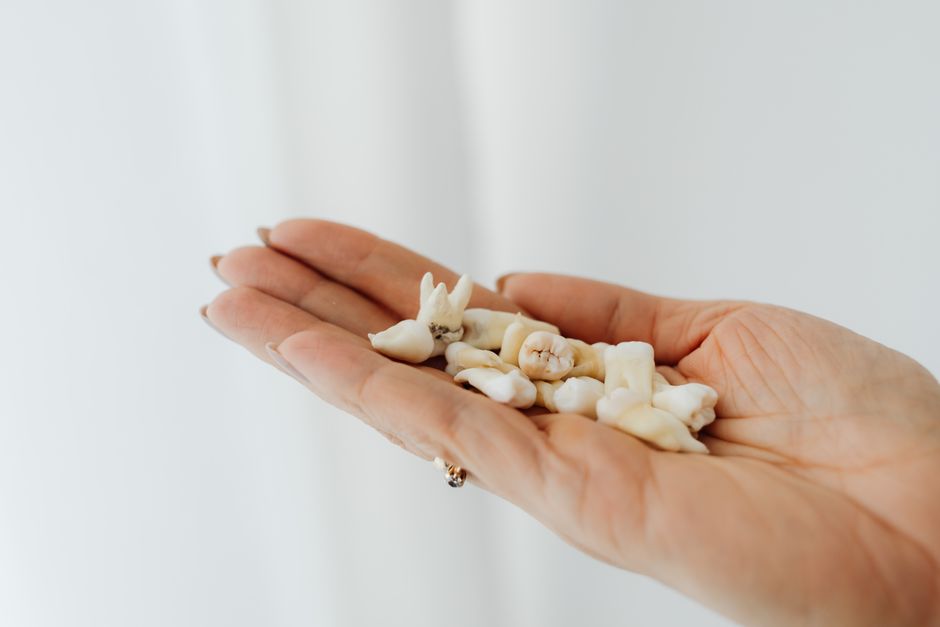
Waking up with a sore jaw, a dull headache, or teeth that feel sensitive is often the first clue. Teeth grinding, known medically as bruxism, happens mostly during sleep, so many people do it for years without realizing it. The most reliable signs are physical: worn tooth enamel, jaw pain in the morning, and a partner who hears the grinding sound. If you suspect you grind your teeth, checking for these specific symptoms is the first step toward protecting your teeth.
What Does Teeth Grinding Sound and Feel Like?
Grinding sounds like a harsh scraping or clenching noise. Most people only learn about it when a bed partner or family member mentions it. The sound can be loud enough to wake someone else in the room, though the person grinding usually sleeps through it.
The feeling is different. You may wake up with tight jaw muscles, a dull ache in your cheeks, or pain that spreads to your ears. Some people describe it like having chewed gum for hours. Others notice their teeth feel loose or tender in the morning, even though they are not actually loose.
Headaches are another common clue. The jaw joint sits close to the temple area, and the muscle strain from grinding can trigger headaches that start right after waking. These are often mistaken for tension headaches or sinus issues.
How To Tell If You Grind Your Teeth At Night: Physical Signs to Check
Look at your teeth in a mirror with good light. The most visible sign of grinding is flattened or chipped tooth edges. Normal teeth have slight ridges and curves. Grinding wears these down over time, making the biting surfaces look flat and even.
Check the inside of your cheeks. Many people who grind also bite the inside of their mouth. You might see a raised white line along the inside of the cheek, called linea alba. This is a ridge of thickened tissue that forms where the teeth press against the cheek repeatedly.
Your tongue can show signs too. Look for scalloped or wavy edges along the sides. This happens when the tongue presses against the teeth during clenching episodes.
Tooth sensitivity is a later sign. When enamel wears thin, the softer layer underneath becomes exposed. Hot, cold, or sweet foods may suddenly cause discomfort. This does not happen overnight. It develops gradually over months or years of grinding.
Why Do People Grind Their Teeth at Night?
The exact cause is not fully understood. Research points to a combination of factors rather than a single trigger. Stress and anxiety are strongly linked to bruxism, especially daytime clenching that carries into sleep. People who hold tension in their jaw during the day are more likely to grind at night.
Sleep position matters. Sleeping on your back can make grinding worse for some people. Alcohol and caffeine intake close to bedtime may increase grinding episodes. Smoking is also associated with higher rates of bruxism.
Certain medications can contribute. Some antidepressants, particularly selective serotonin reuptake inhibitors (SSRIs), have been linked to increased grinding. Sleep disorders like obstructive sleep apnea show a notable connection to bruxism. Some research suggests grinding may be the body’s way of reopening a blocked airway during sleep.
Genetics play a role. People with a family history of bruxism are more likely to develop it themselves. Age matters too. Children grind their teeth often, but most outgrow it by adolescence. Adults who grind tend to do so for different reasons, often stress-related.




When Grinding Becomes a Real Problem
Occasional grinding may not require treatment. The concern is when it happens regularly and causes damage. Enamel is the hardest substance in the human body, but it does not regenerate. Once worn away, it is gone permanently.
Severe grinding can lead to several complications. Cracked or fractured teeth may require crowns or root canals. Fillings and crowns can become damaged or loosened. The jaw joint, called the temporomandibular joint or TMJ, can become inflamed and painful. This can cause clicking or popping sounds when you open your mouth, difficulty chewing, and pain that spreads to the face and neck.
In advanced cases, teeth can wear down to the point of needing replacement. This is rare but possible with years of untreated grinding. The damage is gradual, which is why early detection matters.
What to Do If You Suspect You Grind
Start by seeing a dentist. They can examine your teeth for wear patterns and check your jaw muscles for tenderness. A dental exam is the most reliable way to confirm grinding, especially if no one has heard you do it.
Your dentist may recommend a night guard. This is a custom-fitted plastic device worn over your teeth while sleeping. It does not stop grinding, but it creates a barrier between your upper and lower teeth. This protects the enamel from further wear. Night guards also reduce jaw muscle strain and can ease morning pain.
Over-the-counter mouth guards are available, but they are not the same as custom ones. Store-bought guards are often one-size-fits-all and may not fit properly. A poorly fitting guard can make grinding worse or cause jaw discomfort. If you need a guard, a custom-fitted one from a dentist is the better option.
Stress management can help address the underlying cause. Exercise, meditation, and relaxation techniques before bed may reduce grinding frequency. Avoiding caffeine and alcohol in the evening can also help. If you suspect a medication is contributing, talk to your prescribing doctor. Do not stop taking any prescribed medication without medical guidance.
Can Bruxism Be Cured?
There is no single cure for bruxism. Treatment focuses on managing symptoms and preventing damage rather than stopping the behavior entirely. Many people find that their grinding comes and goes in phases, often linked to stress levels.
For some, the condition resolves on its own. For others, it is a lifelong pattern that requires ongoing management. The goal is protecting your teeth and keeping your jaw comfortable, not necessarily eliminating every grinding episode.
Biofeedback therapy has shown some promise. This involves learning to recognize and control jaw muscle tension. Some devices can alert you when grinding starts. Evidence for these approaches is limited, and results vary from person to person.
In severe cases where TMJ pain is significant, a dentist or doctor may recommend additional treatments. These can include physical therapy for the jaw, anti-inflammatory medications, or in rare cases, injections to relax the jaw muscles. These options are typically reserved for people with significant pain or dysfunction, not for mild grinding.
When to See a Professional
Make a dental appointment if you notice any of the following: flattened or chipped teeth, morning jaw pain, frequent headaches upon waking, or tooth sensitivity that has no other obvious cause. A dental checkup is also wise if your partner reports hearing grinding sounds.
Seek care sooner if you have difficulty opening your mouth fully, hear clicking or popping in your jaw, or have pain that interferes with eating. These symptoms suggest the grinding may be affecting your jaw joint, not just your teeth.
Do not wait until the damage is visible. By the time tooth wear is obvious to the naked eye, significant enamel has already been lost. Early intervention is simpler and less expensive than treating advanced damage.
Frequently Asked Questions
Can you grind your teeth at night without knowing it?
Yes, many people grind their teeth during sleep without any awareness. The most common way to find out is from a bed partner hearing the sound or a dentist noticing wear patterns.
Does teeth grinding go away on its own?
Children often outgrow bruxism, but adults may grind for years or have it come and go in phases. There is no guarantee it will stop without intervention.
Is a night guard necessary for teeth grinding?
A night guard is the standard way to protect teeth from grinding damage, but it does not stop the grinding itself. Your dentist can determine if you need one based on the amount of wear and your symptoms.
Can stress really cause teeth grinding?
Stress and anxiety are strongly associated with bruxism, especially clenching during the day that carries into sleep. Managing stress can help reduce grinding for many people.
