
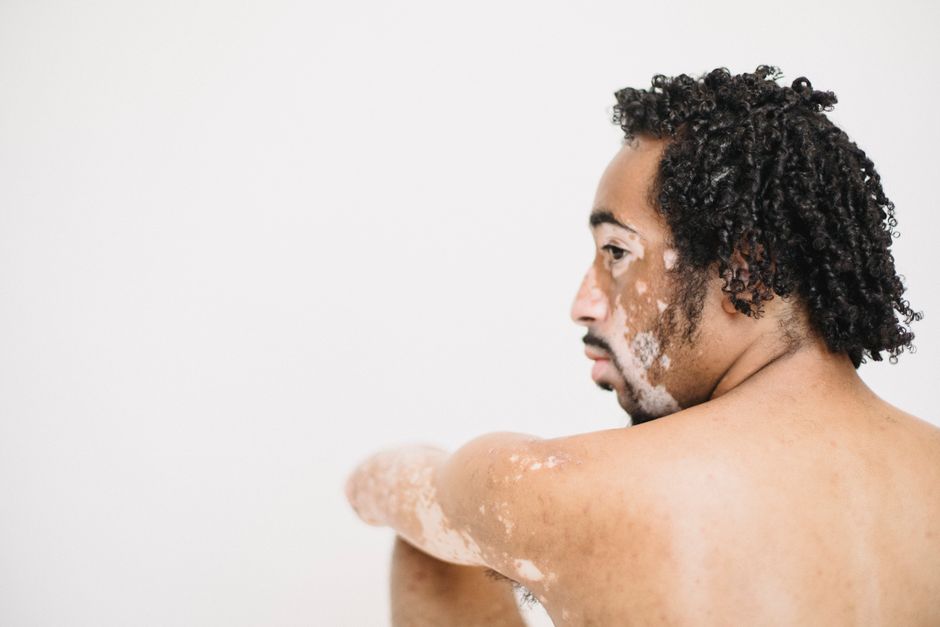
Tinea versicolor is a common fungal skin condition that causes lighter or darker patches on your skin. When you start treatment, you want to know if it is actually working. You can tell it is healing when the scaling stops, the patches stop spreading, and the color begins to fade, though the pigment can take weeks or months to return to normal. The most reliable early sign is that the fine, flaky scale on the patches disappears, which means the fungus is no longer active on the skin’s surface.
What Does Tinea Versicolor Look Like During Healing?
The healing process has distinct visual stages. The first change you will notice is the loss of the fine, powdery scale that sits on top of the patches. Before treatment, these patches often feel slightly rough or flaky when you scrape them gently. Once treatment starts working, this scaling stops within a few days.
The patches themselves do not disappear immediately. They remain visible for weeks because the fungus has altered the pigment-producing cells in your skin. The color change is a leftover effect, not an active infection.
During healing, the patches may look paler than the surrounding skin. This is especially noticeable if you have darker skin or if the affected areas have been exposed to the sun. The pale appearance happens because the fungus produces a substance that interferes with melanin production. Even after the fungus is dead, the melanin needs time to regenerate.
How To Tell If Tinea Versicolor Is Healing
The clearest sign of healing is the absence of scale. If you gently scrape a patch with a fingernail or a glass slide and no fine flakes come off, the active infection is likely gone. This is the same test dermatologists use in the office, called the “evoked scale sign.”
Another sign is that the patches stop growing. An active infection slowly spreads outward, creating new patches on your chest, back, neck, and upper arms. When treatment is working, you will not see any new patches forming. The borders of existing patches may become less distinct.
Itching, if you had any, usually resolves within the first week of treatment. Many people do not itch at all with tinea versicolor, so the absence of itching was never a reliable symptom for you. The scale test is more dependable.
Do not expect the color to return quickly. The pale or discolored areas can persist for 2 to 6 months after the fungus is gone. This does not mean the treatment failed. It means your skin is still recovering its normal pigment production. Sun exposure can speed up the repigmentation process, but it also increases your risk of sunburn on the affected areas, which are more sensitive.
Why Do The Patches Stay Pale After Treatment?
Tinea versicolor is caused by a yeast called Malassezia that normally lives on human skin. Under certain conditions, it overgrows and produces a compound called azelaic acid. This compound interferes with the enzyme tyrosinase, which is essential for producing melanin, the pigment that gives your skin its color.
Because the pigment production was interrupted, the affected skin cells are temporarily unable to produce normal color. The yeast itself is dead after successful treatment, but the pigment machinery takes time to restart. This is why the patches remain visible long after the infection clears.
In some people, the patches appear darker rather than lighter. This is more common in lighter-skinned individuals. The darker color comes from an inflammatory response in the skin. Either way, the color change is temporary and resolves as the skin’s normal turnover cycle replaces the affected cells.





How Long Does Treatment Take To Work?
Topical antifungal creams, lotions, or shampoos usually eliminate the active fungus within 1 to 2 weeks of consistent use. Oral antifungal medications work faster, often clearing the fungus within a few days. The scale disappears quickly, but the color changes lag behind.
If you have used a topical treatment for 2 weeks and still see active scaling or new patches, the treatment may not be working. This can happen if the medication is not applied to all affected areas, if you have a resistant strain, or if the diagnosis is incorrect. In this case, you should see a dermatologist for evaluation.
Recurrence is common. The Malassezia yeast is a normal part of your skin’s microbiome, so it cannot be permanently eliminated. Up to 60% of people experience a recurrence within a year. Many dermatologists recommend using a dandruff shampoo containing ketoconazole or selenium sulfide once a month as a preventive measure, especially during warm, humid months.
What Mistakes Slow Down Healing?
The most common mistake is stopping treatment as soon as the scaling stops. The scale disappearing means the fungus is no longer active on the surface, but some yeast may remain deeper in the hair follicles. Stopping early increases the chance of relapse within weeks.
Another mistake is treating only the visible patches. The yeast lives across your entire upper body, even where no patches are visible. Treatment should cover the full area where the patches appear, not just the spots themselves. This typically means applying the medication from your neck down to your waist, including your upper arms.
Using moisturizers immediately after applying antifungal treatment can dilute the medication. Most topical antifungals work best on clean, dry skin. Wait at least 30 minutes before applying any moisturizer or lotion.
Sun exposure without protection can make the pale patches more obvious. The surrounding skin tans while the affected areas remain light. This is not a healing failure, but it can be frustrating. Use sunscreen on the affected areas to minimize the contrast.
When Should You See A Dermatologist?
See a dermatologist if the patches do not respond to treatment after 2 to 3 weeks. Persistent scaling or continued spreading means the treatment is not effective for your specific case. A dermatologist can confirm the diagnosis with a simple potassium hydroxide (KOH) preparation, where a skin scraping is examined under a microscope.
Also see a doctor if the patches become red, painful, or start oozing. These signs suggest a secondary bacterial infection, which requires different treatment. Tinea versicolor itself does not cause pain or oozing.
If you have a weakened immune system from conditions like HIV, diabetes, or immunosuppressive medications, you should seek medical guidance early. The infection may be more extensive and harder to treat in these situations.
Can You Prevent Tinea Versicolor From Coming Back?
Prevention focuses on controlling the yeast population on your skin. The yeast thrives in warm, humid conditions and feeds on skin oils. Showering after heavy sweating and changing out of sweaty clothing promptly can help reduce the conditions that trigger overgrowth.
Some dermatologists recommend using a ketoconazole or selenium sulfide shampoo as a body wash once a week or once a month. This is a preventive strategy, not a cure. The yeast will always be present, so the goal is to keep its numbers low enough to prevent visible patches.
There is no evidence that dietary changes prevent tinea versicolor. Some online sources suggest reducing sugar intake or avoiding certain foods, but no clinical studies support these claims. The condition is driven by skin surface conditions, not by what you eat.
Frequently Asked Questions
How long does it take for tinea versicolor patches to fade?
The active fungus clears within 1 to 2 weeks of treatment, but the color changes can take 2 to 6 months to fully resolve. The pale or dark patches fade gradually as your skin produces new pigment.
Is tinea versicolor contagious during healing?
No, tinea versicolor is not considered contagious. The yeast that causes it lives naturally on everyone’s skin, and the overgrowth is triggered by individual skin conditions, not by contact with another person.
Can I speed up the repigmentation of my skin?
Mild sun exposure may help the affected areas regain color faster, but it also increases the contrast between pale patches and tanned skin. Use sunscreen to protect the affected areas and allow the pigment to return naturally.
What happens if I stop treatment once the scaling stops?
Stopping early increases the risk of relapse because yeast can remain deeper in the hair follicles. Complete the full course of treatment as directed, even if the visible scaling has disappeared.
