
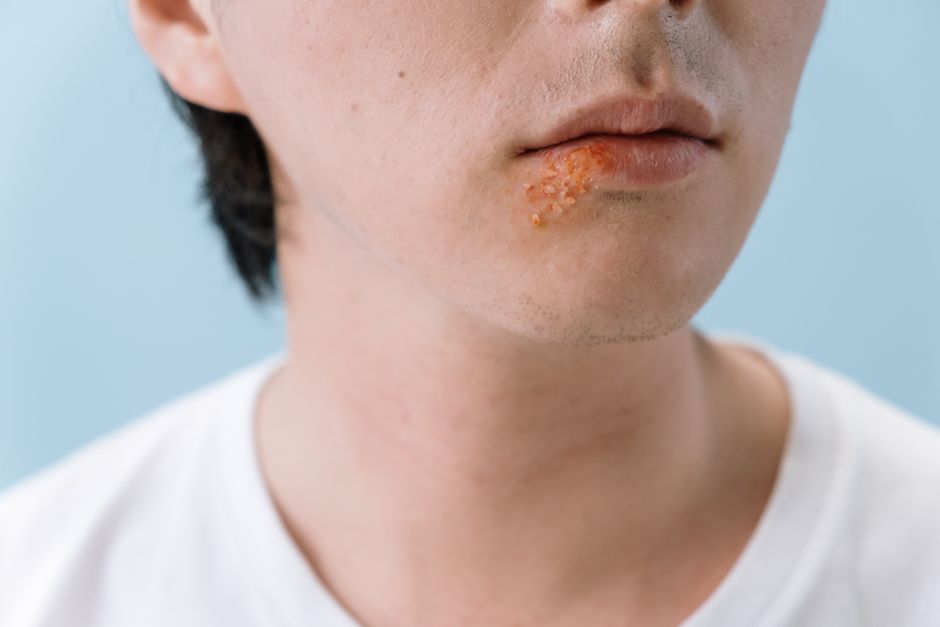
Cold sores and pimples can look very similar at first glance, but they are completely different skin issues with different causes and treatments. The fastest way to tell them apart early is to notice the warning signs: a cold sore usually starts with a tingling, burning, or itching sensation before anything appears, while a pimple typically shows up as a tender bump without that warning tingle. Cold sores are clusters of small, fluid-filled blisters, whereas pimples are single, raised bumps with a white or black head. Knowing which one you have matters because the treatments are not interchangeable, and using the wrong one can make things worse.
How To Tell A Cold Sore From A Pimple Early Signs
The earliest sign of a cold sore is a localized tingling, burning, or itching feeling on or around the lip, often 12 to 24 hours before any visible bump appears. This prodrome stage is the most reliable early warning and does not happen with pimples. A pimple may feel tender or sore to the touch, but it does not produce that distinctive nerve-related tingle.
Within a day or two, the cold sore develops into a small cluster of fluid-filled blisters on a red base. Pimples, by contrast, form a single raised bump that may have a visible whitehead or blackhead at the center. The location also offers a clue. Cold sores almost always appear on or directly around the lips, sometimes at the nostril edge. Pimples can appear anywhere on the face, chest, or back, including the lip line, which is where the confusion happens.
If you feel a tingling sensation followed by a cluster of tiny blisters, it is a cold sore. If you see a single inflamed bump with a visible pore, it is a pimple.
What Causes Each Blemish?
Cold sores are caused by the herpes simplex virus type 1 (HSV-1). Most adults carry this virus, often contracted in childhood through casual contact like sharing a cup or a kiss. Once infected, the virus stays dormant in nerve cells near the lip and can reactivate periodically. Triggers include stress, illness, fatigue, sun exposure, and hormonal changes. The virus is contagious during an active outbreak, especially when blisters are present.
Pimples are not viral. They form when a hair follicle becomes blocked with oil (sebum) and dead skin cells. Bacteria that normally live on the skin, particularly Cutibacterium acnes, can multiply inside the blocked pore, causing inflammation, redness, and pus. Hormonal fluctuations, especially around menstruation or during times of high stress, increase oil production and make breakouts more likely. Pimples are not contagious.
This distinction matters. Antiviral medications treat cold sores by stopping viral replication. Acne treatments reduce oil, unclog pores, and fight bacteria. Applying acne medication to a cold sore will not help and can irritate the blisters. Applying cold sore cream to a pimple will do nothing.
Visual Differences: Blister Cluster vs. Single Bump
Look closely at the lesion itself. A cold sore appears as a group of tiny blisters that look like a cluster of small water droplets on red, swollen skin. The blisters are fragile and may burst, leaving a shallow, weeping sore that eventually crusts over with a yellowish scab. The entire process from tingle to healing typically takes 8 to 12 days.
A pimple is usually a single, dome-shaped bump. It may be red and swollen, and it may have a white or yellow center (whitehead) or a dark opening (blackhead). Pimples do not form clusters of blisters, and they do not crust over. They may drain pus if squeezed, but they heal without the scabbing stage typical of cold sores.
One more visual clue: cold sores often appear at the exact same spot each time they recur, because the virus lives in a specific nerve ganglion. If you have had a cold sore in that same corner of your lip before, a new lesion in that identical spot is very likely another cold sore.




Why the Wrong Treatment Makes It Worse
Mistaking a cold sore for a pimple leads people to pop, squeeze, or apply harsh acne products. Popping a cold sore is particularly risky. The fluid inside the blisters is packed with active virus, and squeezing it can spread the infection to other parts of your face, including your eyes. Herpes infection of the eye is a serious condition that can threaten vision and requires immediate medical attention.
Applying benzoyl peroxide or salicylic acid to a cold sore will not kill the virus. These ingredients dry out the skin and increase irritation, which can slow healing and make the sore more uncomfortable. Steroid creams, sometimes used for acne inflammation, can actually make a cold sore worse by suppressing the local immune response and allowing the virus to spread more widely.
Conversely, antiviral creams like acyclovir or penciclovir have no effect on a pimple. They are formulated to interrupt viral replication and simply will not work on a bacterial or hormonal blockage.
When To See a Doctor
Most cold sores and pimples resolve on their own and do not require medical care. However, certain situations warrant a professional evaluation. See a doctor if a cold sore lasts longer than two weeks, if you get outbreaks more than six times a year, or if the sore spreads to your eyes. People with weakened immune systems, pregnant women in their third trimester, and anyone with eczema should consult a clinician early in an outbreak because complications are more likely.
For pimples, see a dermatologist if you have severe cystic acne, if over-the-counter treatments have not helped after several weeks, or if a single bump grows rapidly, becomes extremely painful, or does not heal. A persistent, non-healing sore can occasionally be something other than a pimple or cold sore, and a clinician can provide an accurate diagnosis.
If you are genuinely unsure what you are looking at, a telehealth visit or a quick appointment with your primary care provider can settle it. They can usually distinguish the two by appearance alone.
How To Manage a Cold Sore Outbreak
If you catch the tingling stage early, antiviral medications work best. Over-the-counter creams containing docosanol can shorten healing time if applied at the first sign of tingling. Prescription oral antivirals such as valacyclovir or acyclovir are more effective and can sometimes prevent the blister stage entirely if taken within the first 48 hours of symptoms. These require a doctor’s prescription.
Keep the area clean and avoid touching it. Wash your hands after any contact with the sore. Do not share utensils, towels, lip balm, or razors while the sore is active. The virus can survive on surfaces for a short time, and direct contact is the main route of transmission.
Cold compresses can ease pain and reduce swelling. Over-the-counter pain relievers like acetaminophen or ibuprofen can help if the sore is painful. Keep the area moist with a lip balm or petroleum jelly to prevent painful cracking, but use a fresh applicator each time to avoid contaminating the tube.
How To Manage a Pimple
For a single pimple, the simplest approach is often the best. Wash your face twice daily with a gentle cleanser. Apply a spot treatment containing benzoyl peroxide or salicylic acid directly to the bump. Do not squeeze or pick at it. Squeezing pushes bacteria deeper into the skin, increases inflammation, and raises the risk of a permanent scar or dark spot.
A warm compress applied for 10 to 15 minutes a few times a day can help bring a whitehead to a head and allow it to drain on its own. If a pimple has a visible whitehead, some dermatologists say gentle extraction with clean tools is acceptable, but doing it wrong causes more harm than good. Leaving it alone is the safest option.
If you get frequent pimples along your lip line, consider whether your lip balm, toothpaste, or shaving cream is contributing. Some products contain ingredients that block pores. Switching to non-comedogenic products labeled as such can reduce lip-area breakouts.
Can You Prevent Outbreaks?
Cold sore prevention focuses on avoiding triggers. If sun exposure triggers your outbreaks, use a lip balm with SPF 30 or higher every day. If stress is your trigger, that is harder to control, but recognizing the pattern helps you act fast at the first tingle. Some people who get frequent outbreaks take daily suppressive antiviral medication, which can reduce the number of outbreaks significantly. This is a decision to make with your doctor.
Pimple prevention centers on consistent skincare. Wash your face after sweating, avoid heavy or greasy products, and do not sleep in makeup. There is no way to completely prevent either condition, but knowing your personal triggers gives you a head start on managing them.
Frequently Asked Questions
Can a cold sore look like a pimple at first?
Yes, in the earliest stage a cold sore can look like a red, swollen bump similar to a pimple. The key difference is the tingling or burning sensation that precedes a cold sore, which never happens with a pimple.
How long does it take for a cold sore to show after tingling starts?
Blisters usually appear within 12 to 24 hours after the tingling or burning sensation begins. Starting antiviral treatment during this window can shorten the outbreak or prevent blisters from forming.
Is it safe to pop a bump if I am not sure what it is?
No. If it is a cold sore, popping it spreads the virus to other areas and increases the risk of eye infection. If it is a pimple, popping it can cause scarring and make the inflammation worse.
Can I use acne cream on a cold sore?
No. Acne creams containing benzoyl peroxide or salicylic acid will not affect the herpes virus and can irritate the cold sore, slowing healing. Use a dedicated cold sore treatment instead.
