
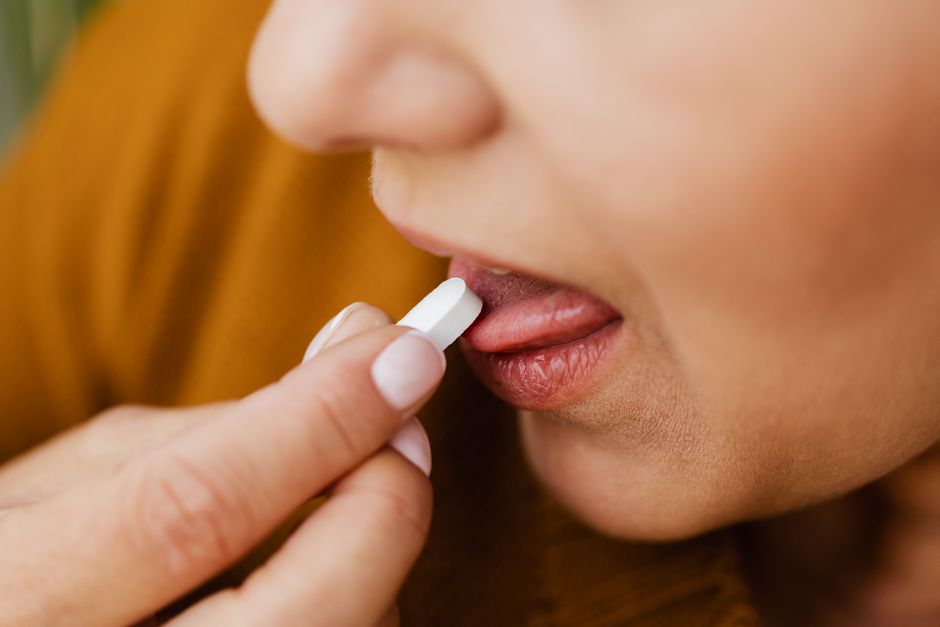
Probiotics are live microorganisms that can offer health benefits when you take enough of them. Most people take them to support digestion, but knowing how to take them matters as much as choosing the right one. The basics are simple: take them daily, follow the dose on the label, and time them around meals for the best survival through your stomach acid. Consistency matters more than perfection, and most people notice changes within one to four weeks, though some feel nothing at all.
How To Take Probiotics Dose Timing What To Expect
Take your probiotic at the same time every day. Morning or evening does not appear to matter as much as regularity. What matters most is taking it with or just before a meal. Food buffers stomach acid and helps more of the live bacteria reach your intestines alive.
A standard dose is 1 to 10 billion colony-forming units (CFUs) per day for general digestive health. Some products contain 50 billion or more, but higher numbers do not automatically mean better results. The right dose depends on the specific strain and the reason you are taking it. Follow the label unless a clinician gave you different instructions.
You can take probiotics with or without other supplements. Antibiotics are the one exception. If you are on antibiotics, take the probiotic at least two hours apart from the antibiotic dose so the medication does not kill the bacteria before they reach your gut.
What Are Probiotics and How Do They Work?
Probiotics are beneficial bacteria and yeasts that live naturally in your digestive tract. Your gut hosts trillions of microorganisms that help digest food, produce certain vitamins, and support your immune system. When this community gets disrupted — by illness, stress, poor diet, or antibiotics — probiotics can help restore balance.
Different strains do different things. Lactobacillus and Bifidobacterium are the most studied groups. Lactobacillus strains are commonly linked to lactose digestion and general gut health. Bifidobacterium strains are often studied for constipation and irritable bowel syndrome symptoms. Saccharomyces boulardii is a beneficial yeast that is frequently used to prevent antibiotic-associated diarrhea.
The strain matters more than the brand. A product that works for one condition may do nothing for another. Read labels carefully and match the strain to your specific concern.
What Is the Right Dose of Probiotics?
Probiotic doses are measured in CFUs, which stands for colony-forming units. This number tells you how many live microorganisms are in each serving. Most studies use doses between 1 billion and 100 billion CFUs per day.
For everyday digestive maintenance, 1 to 10 billion CFUs daily is a reasonable starting point. For specific conditions like antibiotic-associated diarrhea or irritable bowel syndrome, clinical studies typically use higher doses, often 10 to 50 billion CFUs daily. Some research trials have used doses above 100 billion CFUs for particular conditions.
More CFUs do not always mean better results. A well-matched strain at a moderate dose can outperform a high-dose product with the wrong strain for your needs. If a product does not list CFUs on the label, skip it. You cannot verify what you are getting.
No universal dosing guideline exists because probiotics are regulated as dietary supplements in the United States, not as drugs. That means manufacturers set their own doses. The FDA does not review probiotic products for safety or effectiveness before they reach store shelves.




When Is the Best Time to Take Probiotics?
Take probiotics with a meal. Research consistently shows that food improves the survival of probiotic bacteria as they pass through your stomach. The meal does not need to be large. Even a small snack provides some protection.
Fat in the meal appears to help most. One study found that probiotics taken with milk or a meal containing fat survived better than those taken with water or on an empty stomach. The fat seems to shield the bacteria from stomach acid.
Consistency beats timing precision. Taking your probiotic every day at roughly the same time builds a routine that is easier to maintain. If you forget a dose, take it when you remember. If you miss a full day, do not double up the next day. Just resume your normal schedule.
How Long Until Probiotics Start Working?
Most people notice digestive changes within one to four weeks of daily use. Some feel improvements in a few days. Others need six to eight weeks before noticing anything. A subset of people never notice a difference, which may mean the strain does not address their specific issue or their gut does not respond to that particular bacteria.
For antibiotic-associated diarrhea, the benefit appears quickly. Taking probiotics during and after an antibiotic course can reduce diarrhea risk within days. For chronic conditions like irritable bowel syndrome, several weeks of consistent use are typically needed before symptoms shift.
Probiotics do not permanently colonize your gut. They pass through your system in days to weeks. If you stop taking them, their effects fade. This is why daily use matters and why “one-time fixes” do not exist with probiotics.
What to Expect When You Start Taking Probiotics
Some people experience temporary digestive changes in the first few days. Gas, bloating, and mild abdominal discomfort are the most common. These symptoms usually resolve within one to two weeks as your gut adjusts. Starting with a lower dose and gradually increasing can reduce these effects.
You might also notice changes in your bowel movements. Some people report more regular stools. Others notice looser stools initially. These changes typically settle as your digestive system adapts to the new bacteria.
Serious side effects are rare in healthy people. People with weakened immune systems, recent surgery, or serious underlying illness should talk to a doctor before taking probiotics. In rare cases, probiotics have caused infections in these populations.
If bloating or discomfort lasts longer than two weeks, stop the product and consider trying a different strain. Not every probiotic agrees with every person.
How to Choose a Probiotic Supplement
Look for three things on the label: the specific strain, the CFU count, and an expiration date. Strain names look like Lactobacillus rhamnosus GG or Bifidobacterium lactis BB-12. The letters after the species name identify the exact strain, and that specificity matters because different strains within the same species can have different effects.
Check that the CFU count is guaranteed through the expiration date, not just at the time of manufacture. Live bacteria die over time. A product that guarantees potency at expiration is more reliable than one that only lists the amount at production.
Refrigerated and shelf-stable products can both work well. Refrigeration slows bacterial die-off, but many modern strains are freeze-dried and stable at room temperature. Follow the storage instructions on the label. Heat and moisture degrade probiotics, so avoid storing them in bathrooms or near stoves.
Third-party testing seals indicate that an independent lab verified the product contains what the label claims. These seals are voluntary, and their absence does not mean a product is poor quality. But they add confidence, especially for products that do not list strain names or CFU counts clearly.
Foods With Probiotics vs. Supplements
Fermented foods contain naturally occurring probiotics. Yogurt with live cultures, kefir, sauerkraut, kimchi, miso, and some cheeses are common sources. These foods provide beneficial bacteria along with other nutrients.
Food sources differ from supplements in one important way: you cannot control the dose. A serving of yogurt contains some live bacteria, but the amount varies by brand, batch, and storage. Fermented foods are excellent for general gut health, but they are less reliable for targeting a specific condition.
Some fermented foods do not contain live bacteria. Pasteurized products — including many commercial sauerkraut brands and some yogurts — have been heat-treated, which kills the microorganisms. Look for “live and active cultures” on yogurt labels and refrigerated sections for unpasteurized fermented vegetables.
You can combine food sources and supplements. Eating fermented foods regularly while taking a targeted supplement is a reasonable approach for most people.
Who Should Not Take Probiotics
Most healthy adults can take probiotics safely. People with compromised immune systems should consult a doctor first. This includes people undergoing chemotherapy, organ transplant recipients, and those with HIV or other conditions that weaken immunity.
People with short bowel syndrome or those recovering from major gastrointestinal surgery should avoid probiotics unless a doctor recommends them. Premature infants and critically ill patients should not receive probiotics outside of controlled clinical settings.
If you are pregnant or breastfeeding, most evidence suggests probiotics are safe, but discuss it with your obstetrician first. No large-scale safety trials have been conducted specifically in pregnant women, and individual circumstances vary.
Frequently Asked Questions
Should I take probiotics on an empty stomach?
No, take them with a meal. Food, especially food containing fat, buffers stomach acid and helps more live bacteria survive into your intestines.
Can I take probiotics with antibiotics?
Yes, but space them at least two hours apart. Taking them together can allow the antibiotic to kill the probiotic bacteria before they reach your gut.
How long should I take probiotics?
Probiotics only work while you take them consistently. They do not permanently colonize your gut, so effects fade within weeks of stopping. Many people take them daily for ongoing digestive support.
Can you take too many probiotics?
Taking more than the label recommends does not provide extra benefit. Higher doses can increase the chance of gas and bloating. Healthy adults generally tolerate high doses, but no evidence shows that mega-doses outperform standard ones.
