
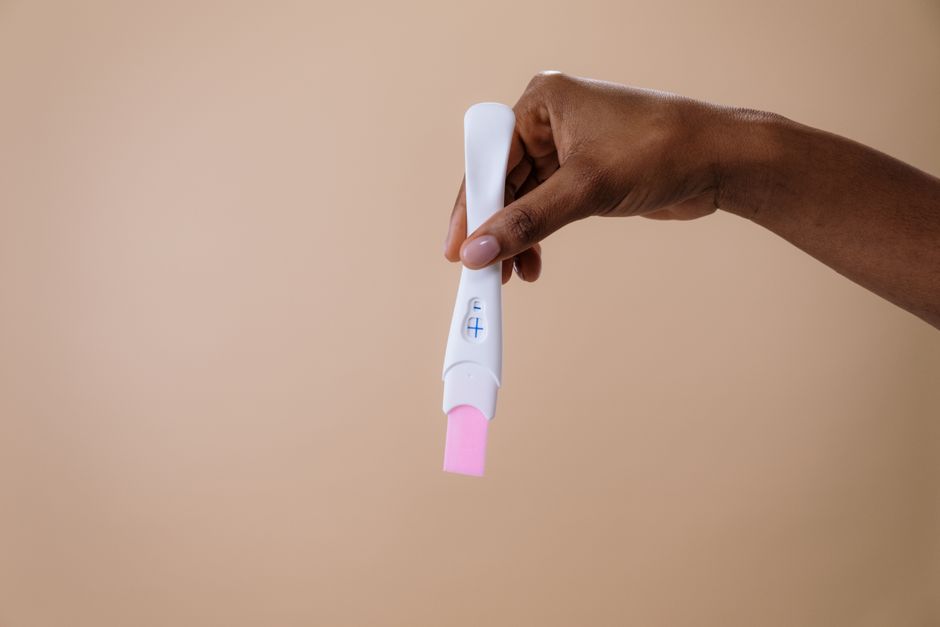
DHEA supplements are widely sold as a fertility aid, and the question of how to take them — what dose, at what time of day, and for how long — comes up constantly in fertility forums and clinics. The short answer: there is no FDA-approved dose of DHEA for fertility, and no official guideline that sets one. Doses used in published research have varied widely, and the evidence that DHEA helps anyone conceive is limited and mixed. What follows explains what the research actually shows, where the common dose ranges come from, and why timing is less important than most people assume.
What Is DHEA And Why Is It Linked To Fertility?
DHEA stands for dehydroepiandrosterone. It is a steroid hormone your adrenal glands produce naturally, and it serves as a raw building block for both testosterone and estrogen.
That last point is why fertility researchers became interested. If the ovaries are not responding well to stimulation, the thinking went, perhaps supplying more of the building material could help. The logic is reasonable. Whether it actually produces more pregnancies is a separate question, and the evidence there is not settled.
Blood levels of DHEA peak in the mid-twenties and decline steadily with age. This is one reason the supplement is marketed heavily to women in their late thirties and forties — the same group often dealing with diminished ovarian reserve. But a declining level is not proof that replacing it changes fertility outcomes. That is an assumption, not a finding.
How To Take DHEA For Fertility: Dose And Timing
No established clinical guideline sets a DHEA dose for fertility. The ranges you see online come from individual studies, not from a regulatory or professional consensus.
In published research involving women with diminished ovarian reserve or poor response to IVF stimulation, doses have generally fallen somewhere between 25 mg and 75 mg per day, often divided into two or three smaller doses. Some studies used 25 mg three times daily. Others used a single 75 mg dose. There is no consistent standard, and no head-to-head trial has established that one schedule works better than another.
This matters because dose is not a trivial detail with hormones. Higher doses are not automatically better, and they carry more risk of side effects.
Does Timing Of Day Matter?
Probably less than people think. DHEA has a relatively long half-life in the body, meaning it clears slowly rather than spiking and dropping quickly. That is why many researchers have used divided doses simply to reduce stomach upset and side effects, not because the body requires it at a specific hour.
If you are taking a divided dose, spacing it with meals in the morning and evening is common in studies. There is no strong evidence that taking it at bedtime is better or worse. Anyone who tells you there is a precise “right” time is going beyond what the data support.
What Does The Research Actually Show About DHEA And Fertility?
The evidence is mixed, and it depends heavily on who is taking it.
Some smaller studies have reported that DHEA supplementation in women with diminished ovarian reserve was associated with higher numbers of eggs retrieved during IVF and, in some cases, higher live birth rates. Other studies have found no meaningful difference. A number of reviews of the available trials have concluded that the evidence is low quality and that routine use cannot be recommended based on current data.
This is not a case where the science clearly says yes or clearly says no. It says: the results are inconsistent, the studies are often small, and the findings have not been reliably reproduced.
One important distinction: DHEA is sometimes discussed as helpful for women with poor ovarian response specifically, not for fertility in general. There is no good evidence that it helps women with normal ovarian function conceive, and it is not a general fertility booster.





Who Should Be Cautious About DHEA?
DHEA is a hormone precursor, not a vitamin. It can raise testosterone and estrogen levels, and that has real consequences.
Women with hormone-sensitive conditions — including certain breast, uterine, and ovarian cancers — are generally advised to avoid DHEA unless a doctor specifically directs otherwise. Because DHEA can convert to estrogen and testosterone, it may feed hormone-sensitive tissue.
Other groups warrant caution:
- Women who are already pregnant or trying to conceive without medical supervision
- Anyone with liver disease, since the liver processes these hormones
- People taking medications that affect hormones, including some diabetes and psychiatric drugs
- Women with polycystic ovary syndrome, whose hormone balance is already atypical
Common side effects reported in studies include acne, oily skin, facial hair growth, and mood changes — all signs of raised androgen levels. These are not rare, and they are dose-related. Higher doses tend to produce more of them.
There is also a broader caution. DHEA is sold as a dietary supplement in the United States, which means it is not held to the same manufacturing and purity standards as prescription drugs. What is on the label is not always what is in the bottle.
Should You Take DHEA Without A Doctor Involved?
No. This is one of the clearer positions in this topic.
DHEA affects your hormone levels. Your hormone levels affect your fertility, your menstrual cycle, and potentially your cancer risk. That is not a combination to experiment with based on a forum post or a supplement label.
If you are working with a fertility clinic, ask directly whether DHEA is appropriate for your situation. Some reproductive endocrinologists do recommend it for specific patients — typically those with diminished ovarian reserve or a history of poor response to stimulation. Others do not, because they judge the evidence too weak. Both positions are defensible given the current data.
What is not defensible is self-prescribing a hormone based on the assumption that more building material means more eggs. That reasoning skips over whether the intervention actually changes outcomes, and the research has not settled that question.
What Are The Alternatives To DHEA For Fertility?
Because DHEA’s evidence is uncertain, it is worth knowing what else is discussed and how strong that evidence is.
For women with diminished ovarian reserve, the main options your doctor may discuss include different IVF stimulation protocols, egg freezing, and donor eggs. These are established clinical pathways, though which one fits depends entirely on your individual situation.
Other supplements sometimes mentioned in fertility contexts — CoQ10, inositol, vitamin D — have their own bodies of evidence, and those vary too. Some have more support than DHEA in certain populations; others have less. None of them are guaranteed to improve the chance of pregnancy, and none replace a proper evaluation of why conception is not happening.
The most reliable step anyone can take is a full fertility workup. That identifies whether there is a treatable cause, and it gives you and your doctor a real basis for deciding whether any supplement — DHEA included — is worth trying.
Frequently Asked Questions
What is the typical DHEA dose for fertility?
There is no official guideline. Doses used in research have generally ranged from 25 mg to 75 mg per day, sometimes split into smaller doses. No standard has been established because the evidence is inconsistent.
What time of day should I take DHEA for fertility?
Timing does not appear to be critical because DHEA clears slowly from the body. Many studies used divided doses with meals, mainly to reduce side effects rather than for any timing benefit.
Can DHEA help me get pregnant?
Some studies suggest it may help women with diminished ovarian reserve or poor response to IVF stimulation, but results have been inconsistent and reviews rate the evidence as low quality. It is not a general fertility booster.
Is DHEA safe to take on my own?
No. DHEA raises testosterone and estrogen levels and can cause side effects like acne and mood changes. Anyone with a hormone-sensitive condition should avoid it unless a doctor directs otherwise.
